
Soft Materials Testing
Systems for Research

Mechanical testing systems for hydrogels, elastomers, bioinks, thin films, engineered tissues, scaffolds, and other soft or hydrated materials.


CellScale systems help researchers measure the mechanical behaviour of soft materials across tensile, compression, biaxial, cyclic, viscoelastic, and hydrated testing workflows. From microscale gels to larger polymer specimens and engineered tissues, our instruments are designed for samples that can be difficult to test on conventional materials testing systems.
Why Soft Materials Testing Requires the Right System
Soft materials testing often requires a different approach than traditional mechanical testing. Many soft materials deform easily, require low-force measurement, change behaviour in hydrated environments, or show time-dependent responses under repeated loading.
Hydrogels, bioinks, elastomers, scaffolds, membranes, and engineered tissues may also be small, fragile, slippery, irregularly shaped, or sensitive to gripping and boundary conditions. These factors can influence the quality of the mechanical data and the repeatability of the test.
CellScale systems are designed to support mechanical testing for soft materials with appropriate force ranges, flexible fixtures, environmental control options, and imaging tools for sample observation and strain measurement.
Designed for Soft and Hydrated Samples
- Low-force measurement for delicate samples
- Hydrated and temperature-controlled testing conditions
- Fixture options for gels, films, membranes, tissues, and polymers
- Integrated imaging and strain analysis options
- Tensile, compression, indentation, biaxial, cyclic, creep, stress relaxation, and fatigue testing workflows

Soft Materials Testing Workflows
Hydrogel and Bioink Mechanical Testing
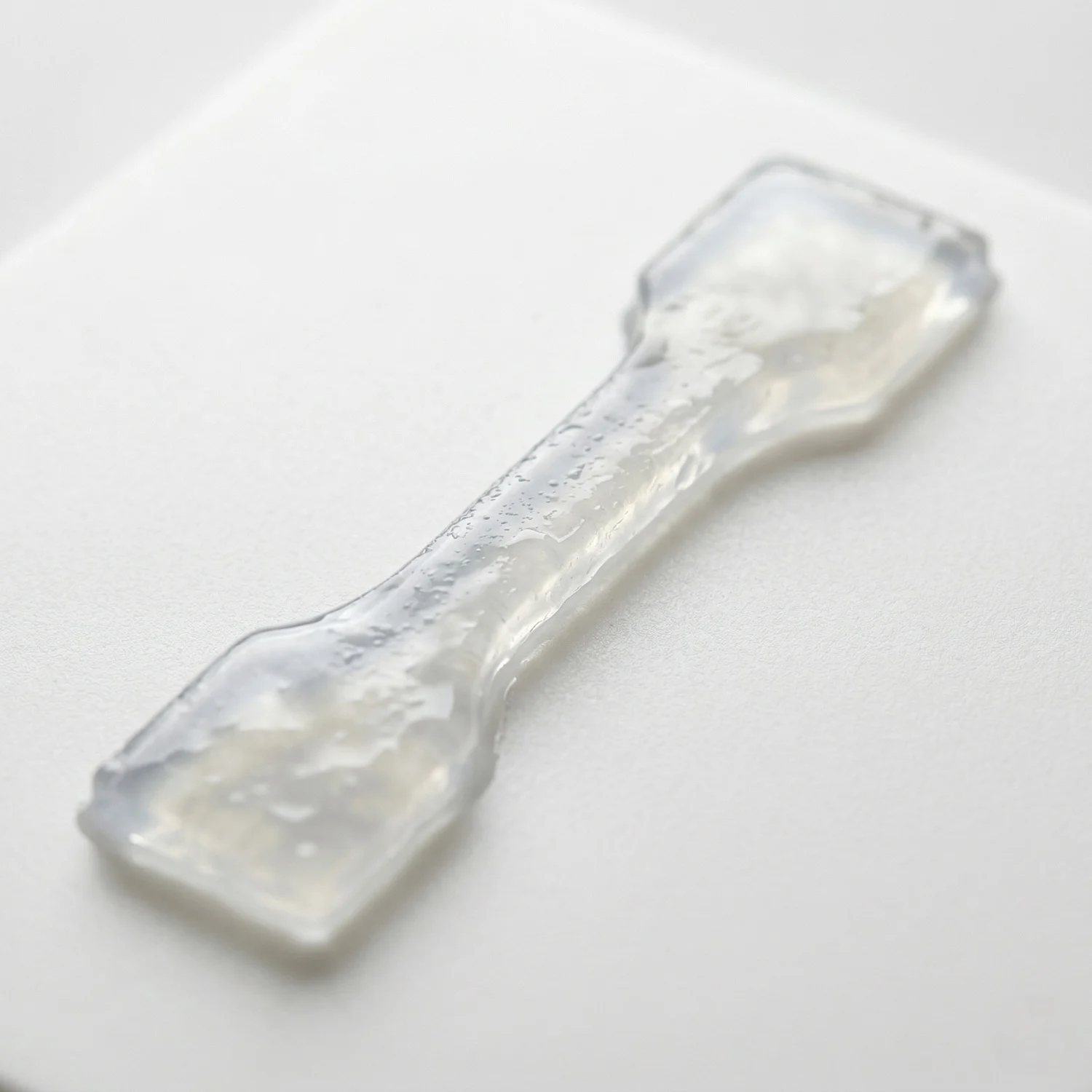
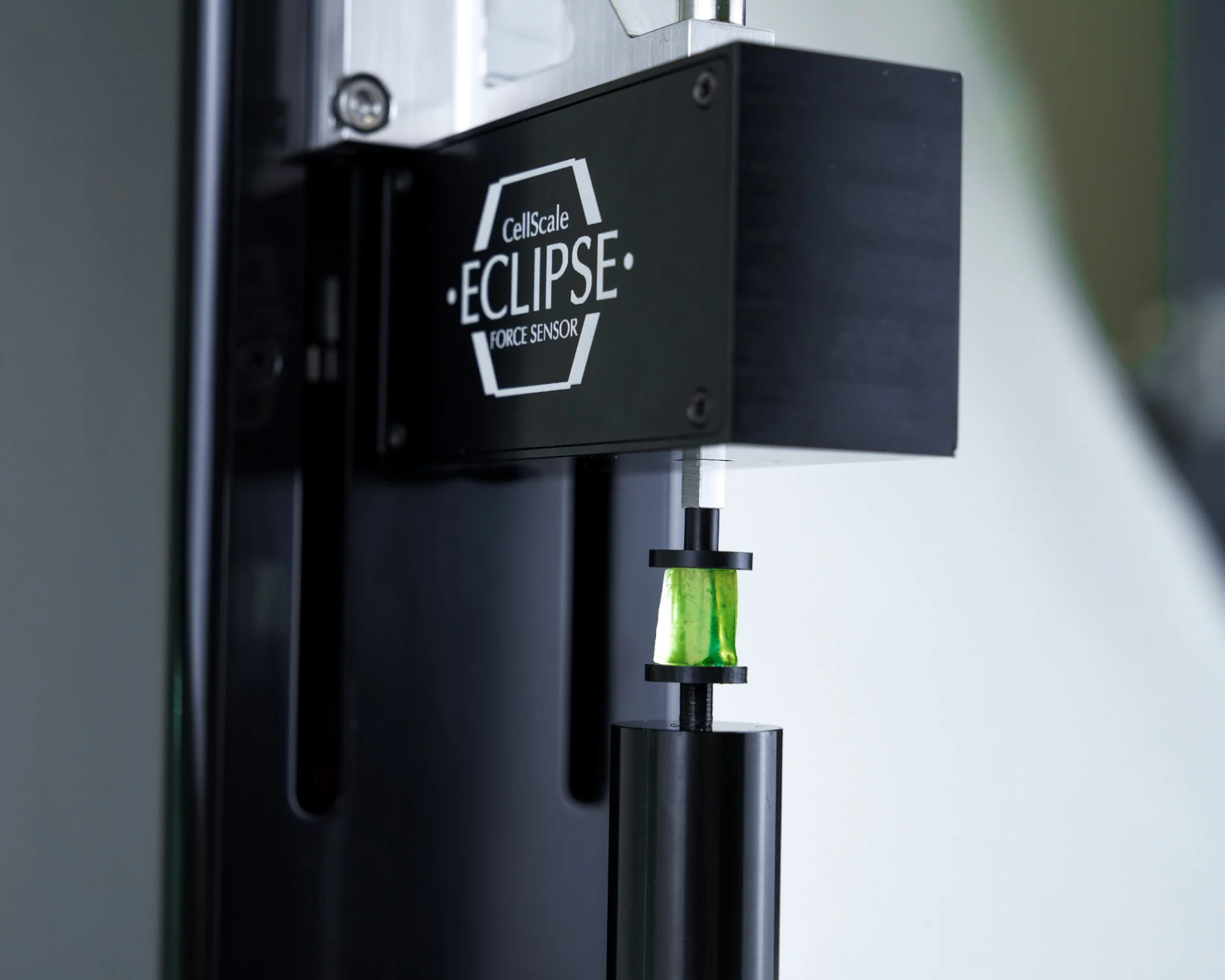
Hydrogels, bioinks, and printed constructs often require hydrated testing conditions, sensitive force measurement, and careful control of sample geometry. CellScale systems can be used to measure stiffness, strength, indentation response, compressive behaviour, tensile properties, viscoelastic response, and sample-to-sample variability.
Hydrogel mechanical testing workflows may include compression, indentation, tensile testing, creep, stress relaxation, and cyclic loading. These measurements can help researchers evaluate formulation changes, crosslinking conditions, printing parameters, scaffold design, and material stability over time.
Relevant systems: MicroTester, UniVert
Soft Polymer and Elastomer Testing
Soft polymers, elastomers, and flexible materials often require tensile, compression, cyclic, fatigue, creep, and stress relaxation testing. These materials may undergo large deformation, nonlinear behaviour, or time-dependent mechanical responses that are important for device development, durability studies, and material characterization.
CellScale systems support polymer mechanical testing workflows for compliant specimens, small samples, hydrated materials, and custom geometries. Researchers can use these systems to compare material formulations, evaluate mechanical durability, and study how loading history affects material response.
Relevant system: UniVert
Thin Film and Membrane Mechanics
Thin films, membranes, and sheet-like materials may require careful gripping, low-force sensitivity, and test methods that reflect the loading conditions of the application. Depending on the material and research question, testing may involve uniaxial tension, biaxial tension, puncture, hydrated testing, or imaging-based strain measurement.
CellScale systems support soft materials testing workflows for biological membranes, engineered films, flexible materials, and anisotropic soft materials. These workflows can help researchers evaluate strength, stiffness, extensibility, directional behaviour, and failure response.
Relevant systems: BioTester, MicroTester, UniVert
Microscale Mechanical Testing
Small, soft, and delicate samples can be difficult to test using conventional mechanical testing instruments. Microscale mechanical testing can be useful for hydrogels, bioinks, tissue sections, spheroids, microfabricated constructs, soft biomaterials, and other samples where force sensitivity and sample visualization are important.
The CellScale MicroTester supports micro-compression, micro-tension, indentation, and shear testing with sensitive force transducers and integrated imaging. These workflows are useful when sample size, geometry, and local mechanical behaviour are central to the research question.
Relevant system: MicroTester
Engineered Tissue and Scaffold Testing
Engineered tissues, scaffolds, decellularized matrices, and soft biological constructs are often tested under hydrated or physiologically relevant conditions. These samples may require delicate gripping, appropriate force sensitivity, controlled loading, and imaging to help assess deformation during testing.
CellScale systems are used in engineered tissue and scaffold testing workflows involving tensile testing, compression testing, biaxial testing, indentation, micro-mechanical testing, and hydrated testing. These measurements can support research in tissue engineering, regenerative medicine, mechanobiology, and scaffold design.
Relevant systems: UniVert, BioTester, MicroTester
Cyclic Testing of Biomaterials
Many soft materials are used in applications where repeated loading matters. Cyclic testing of biomaterials can help researchers study durability, fatigue behaviour, viscoelastic response, conditioning effects, and mechanical changes over time.
CellScale systems support cyclic tensile, compression, biaxial, and stimulation workflows for hydrogels, polymers, scaffolds, tissues, and engineered constructs. These workflows can be used to evaluate how soft materials respond to repeated loading, intermittent stimulation, or longer-duration mechanical conditioning.
Relevant systems: UniVert, BioTester, MechanoCulture Bioreactors
Find the Right System for Your Soft Materials Testing Workflow
Different soft materials require different testing methods, force ranges, fixtures, and environmental conditions. The right system depends on the sample type, sample size, expected force range, target strain, loading mode, and whether the material needs to be tested in a hydrated or temperature-controlled environment.
| Sample or Workflow | Common Testing Needs | Suggested CellScale System(s) |
|---|---|---|
| Hydrogels and bioinks | Compression, indentation, tensile testing, creep, stress relaxation, hydrated testing | MicroTester, UniVert |
| Soft polymers and elastomers | Tensile testing, compression, cyclic testing, fatigue, creep, stress relaxation | UniVert |
| Thin films and membranes | Tensile testing, biaxial testing, puncture testing, hydrated testing | BioTester, UniVert |
| Microscale samples | Micro-compression, micro-tension, indentation, shear testing, low-force measurement | MicroTester |
| Engineered tissues and scaffolds | Tensile, compression, biaxial, indentation, hydrated testing | UniVert, BioTester, MicroTester |
| Tissue culture and stimulation | Cyclic tension, cyclic compression, hydrostatic pressure, long-term stimulation | MechanoCulture systems |
If you are not sure which system fits your sample geometry, expected force range, target strain, or testing environment, our team can help review your workflow.
Mechanical Testing Systems for Soft Materials
UniVert
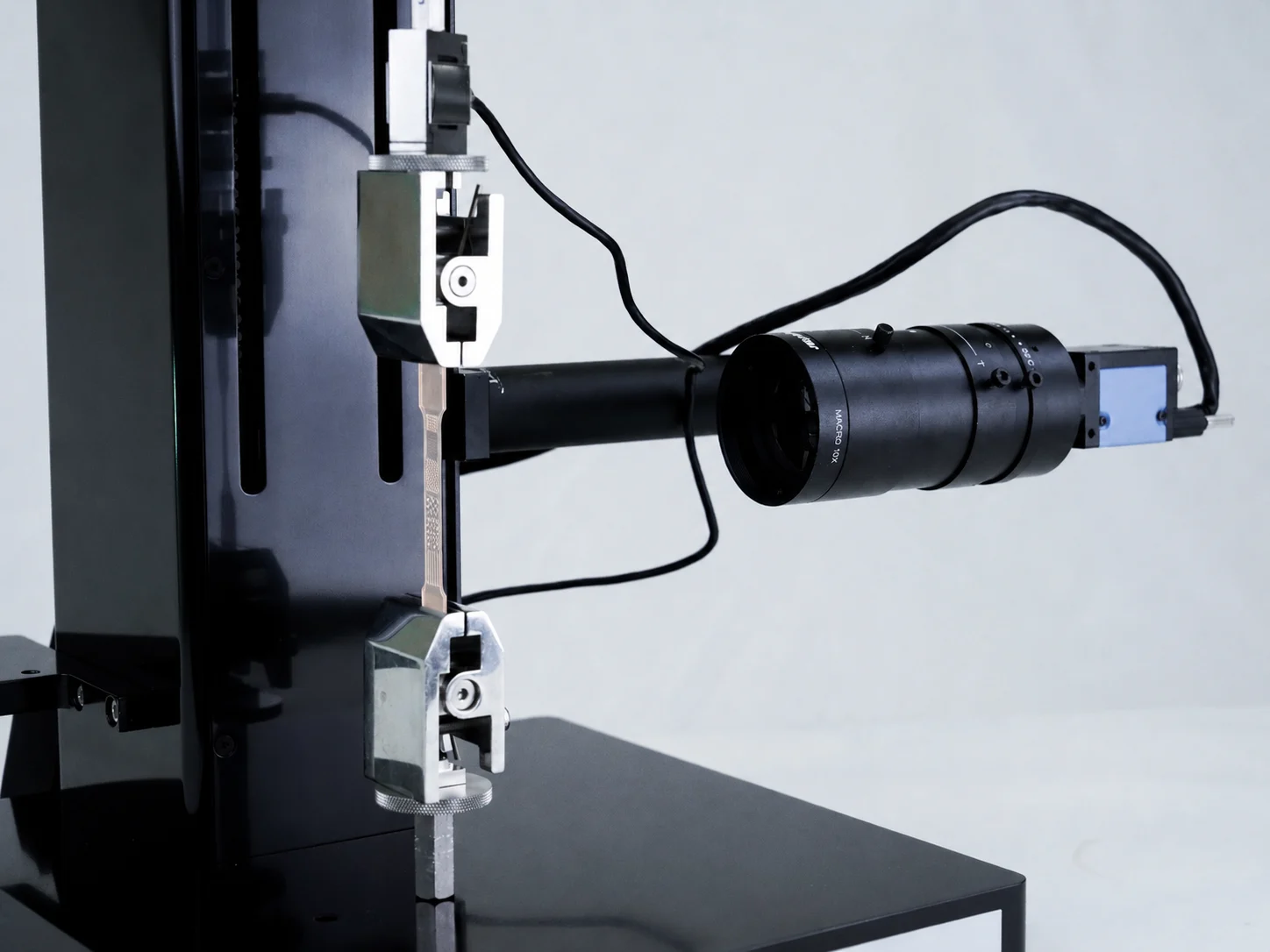
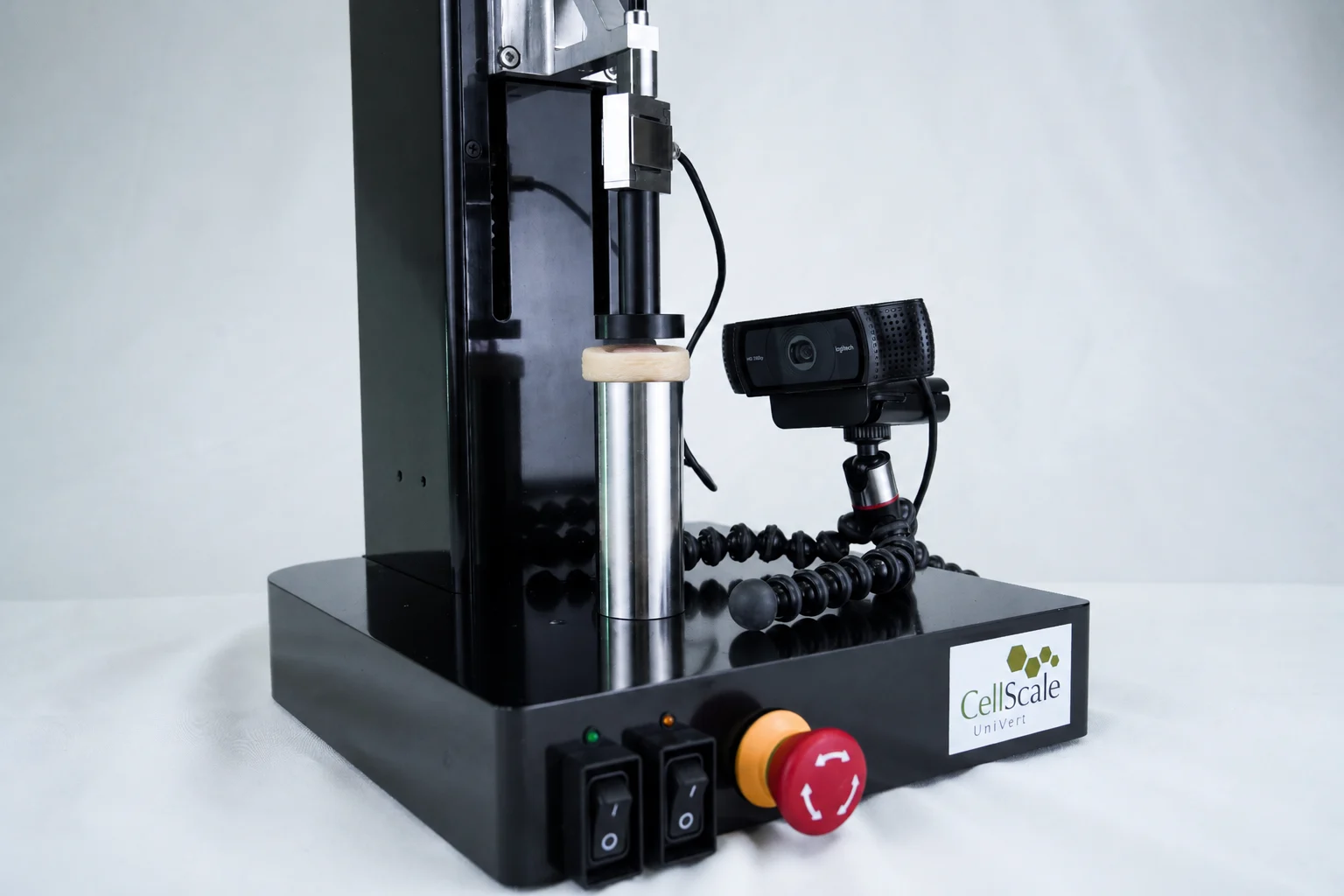
The UniVert is a flexible uniaxial mechanical testing system for tensile, compression, cyclic, fatigue, creep, stress relaxation, peel, puncture, flexural, and hydrated testing of soft materials and biomaterials.
Researchers use the UniVert to test hydrogels, elastomers, soft polymers, scaffolds, tissues, medical materials, and other compliant specimens across static and dynamic workflows.
BioTester
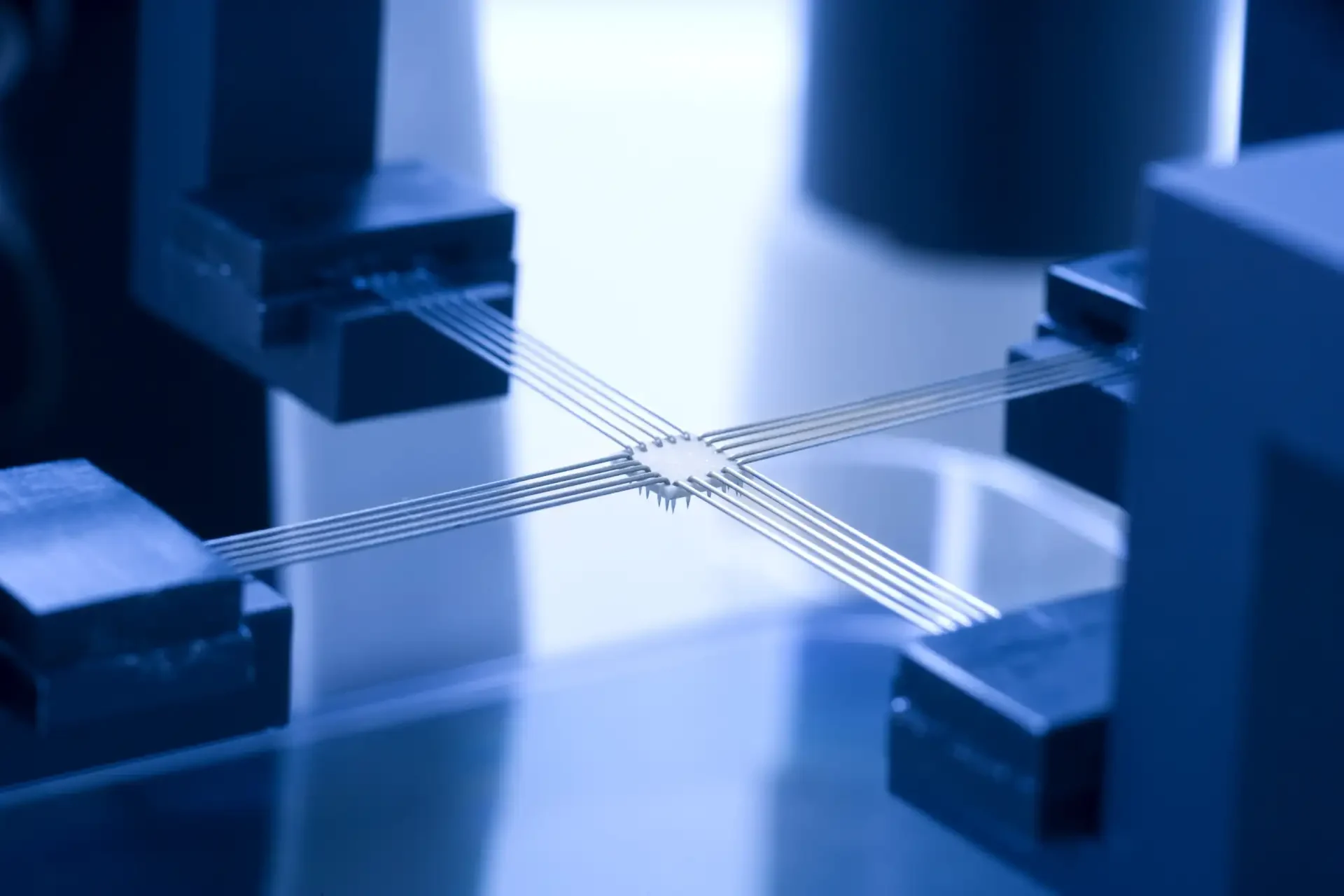
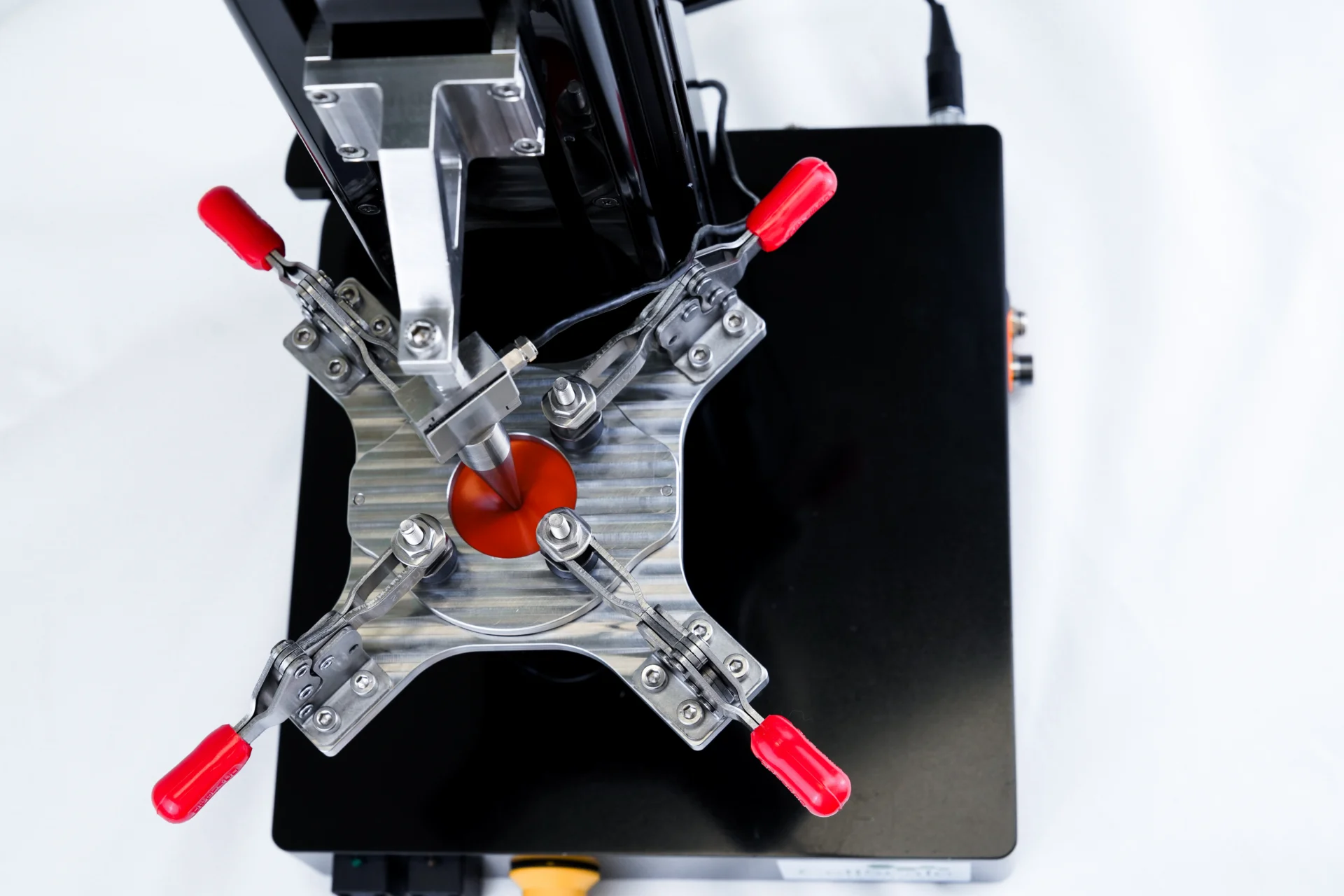
The BioTester is a planar biaxial testing system for soft tissues, membranes, thin films, and anisotropic materials. It supports biaxial tensile testing with options for hydrated testing, imaging, and strain-controlled workflows.
Researchers use the BioTester to study directional mechanical behaviour, strain response, and mechanical properties of sheet-like soft materials.
MicroTester
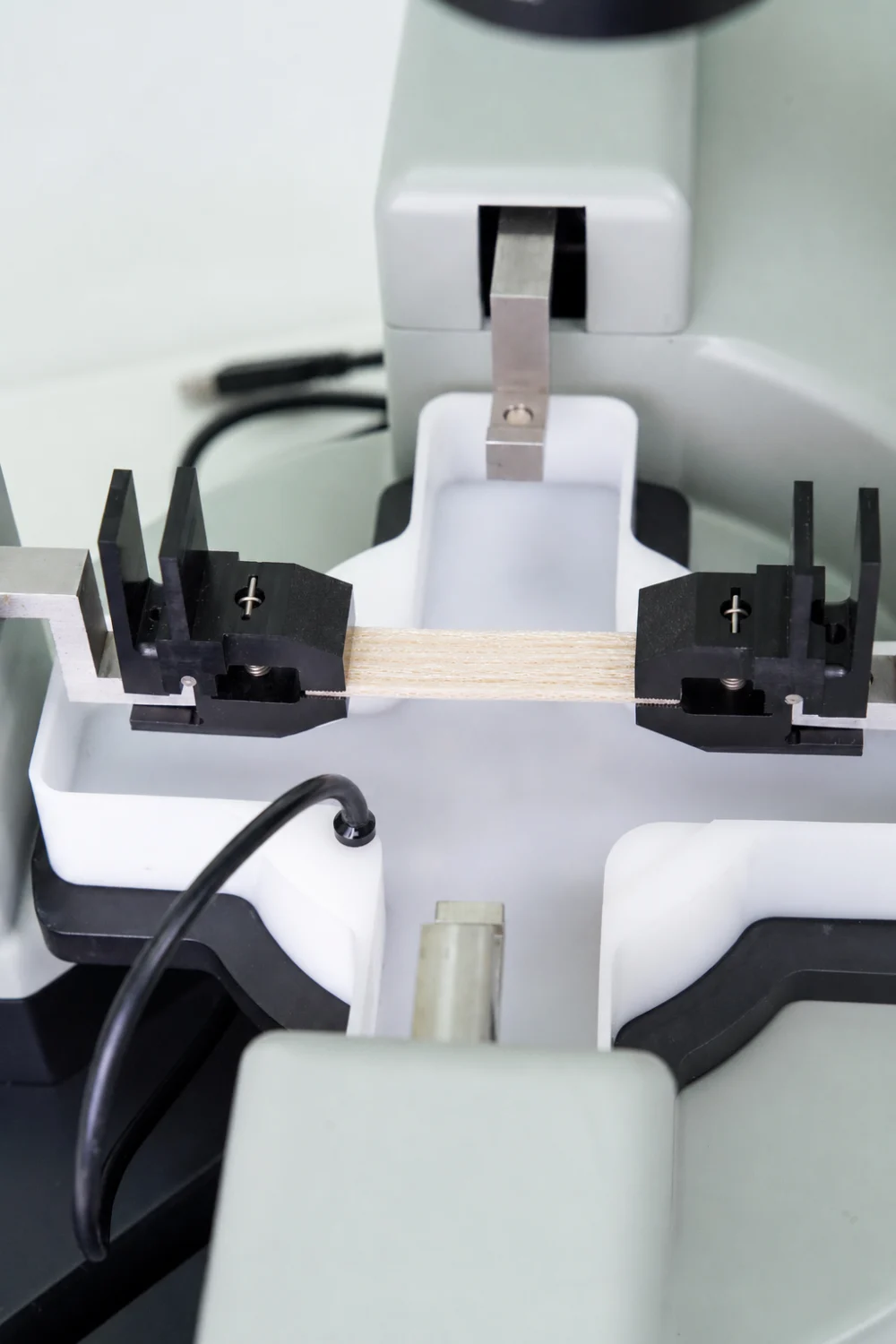
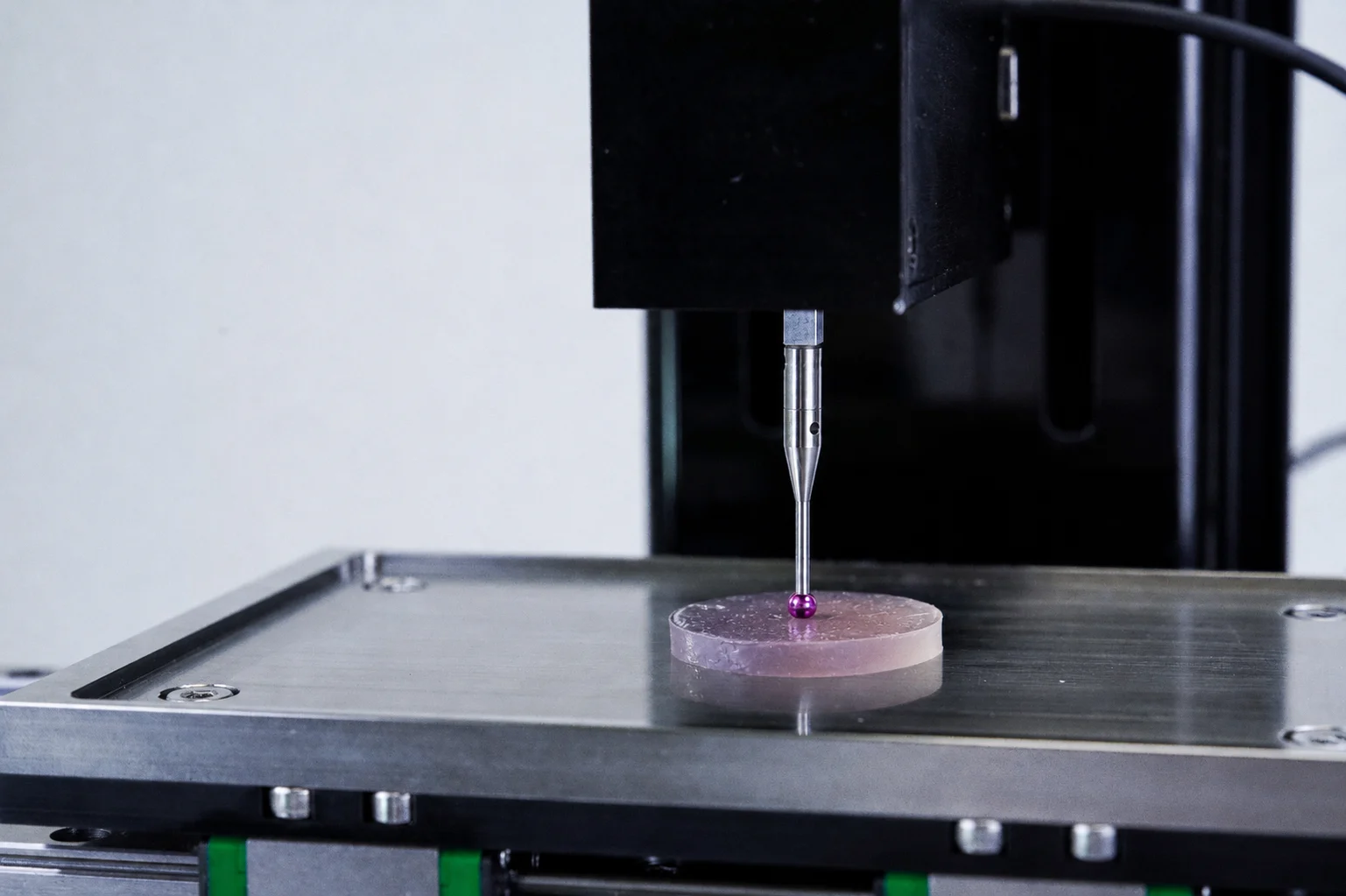
The MicroTester is a microscale mechanical testing system for small, soft, and delicate samples. It supports micro-compression, micro-tension, indentation, and shear testing with sensitive force transducers and integrated imaging.
Researchers use the MicroTester for hydrogels, bioinks, tissue sections, spheroids, microfabricated constructs, and other small samples where force sensitivity and sample visualization are important.
MechanoCulture Systems
MechanoCulture systems are incubator-ready bioreactors for applying cyclic tensile strain, cyclic compression, and hydrostatic pressure stimulation to cells, tissues, scaffolds, and engineered constructs.
Researchers use MechanoCulture systems to study mechanobiology, tissue maturation, scaffold conditioning, and cellular responses to controlled mechanical stimulation.
Soft Materials Testing Applications
CellScale systems are used across research applications involving hydrogels, bioinks, polymers, elastomers, membranes, thin films, scaffolds, engineered tissues, soft robotics materials, cell-laden hydrogels, and regenerative biomaterials.
- Biomaterials and Advanced Materials
- Hydrogel Mechanical Testing
- 3D Bioprinting and Bioink Materials Testing
- Polymers and Elastomers Testing
- Membranes and Thin Films Mechanics
- Scaffold Mechanical Testing
- Material Fatigue and Durability
- Cell-Laden Hydrogels
- Stimuli Responsive Hydrogels Characterization
- Soft Robotics Materials
- ECM and Decellularized Matrix Mechanics
- Injectable and Regenerative Biomaterials
- Adhesives and Sealants Testing
- Tissue Engineering & Soft Tissue Biomechanics
- Cardiac Tissue Engineering & Mechanics
- Skeletal Muscle & Volumetric Muscle Loss
- Tendon and Ligament Tissue Engineering
- Cartilage and Meniscus Mechanics
- Skin and Wound Healing Biomechanics
- Gastrointestinal & Urinary Tract Mechanics
- Heart Valve Tissue Engineering & Mechanics
- Lung & Pleural Tissue Biomechanics
- Ophthalmic Biomechanics & Corneal Tissue Engineering
- Peripheral Nerve Regeneration & PNS Mechanics
- Reproductive & Fetal Membrane Mechanics
- Vascular Tissue Engineering & Mechanics
Related Testing Methods
Soft materials testing can involve several mechanical testing methods depending on the sample type and research objective.
Tensile Testing
Compression Testing
Micro-Mechanical Testing
Viscoelastic and Time-Dependent Testing
Biaxial Testing
Digital Image Correlation
Indentation Testing
Fatigue Testing
Hydrated Testing
Creep Testing
Stress Relaxation Testing
Puncture Testing
Custom Fixtures and Experimental Setups
When specimen geometry or protocols are non-standard, CellScale can design custom fixtures, control approaches, or environmental accommodations to support defensible research outcomes.
Used in Peer-Reviewed Materials and Biomaterials Research
CellScale systems are used by researchers studying biomaterials, hydrogels, soft tissues, polymers, bioinks, scaffolds, membranes, and engineered constructs. Applications span material characterization, tissue engineering, mechanobiology, regenerative medicine, soft matter research, and device development.
Comments From Real Researchers
“We measure simultaneously how much force is needed to compress tissue, but also how much force it takes to keep tissue in this form… We measure peak forces between 1 and 3 micronewtons… The MicroTester is a perfect device to probe these properties.”


Dr. Gabriel Krens
PhD. Manager of Imaging & Optics Facility at Institute of Science and Technology Austria.
“The CellScale BioTester offers great flexibility with planar biaxial testing, providing compact and robust hardware setup paired with flexible and capable software. Attachment systems are quick and easy to use, making the device particularly attractive for testing large numbers of specimens…”

Dr. Alexey Kamenskiy
PhD. Professor and Director, Center for Cardiovascular Research in Biomechanics at the University of Nebraska at Omaha, USA.
“[The UniVert] enabled us to determine the mechanical properties of a soft biomaterial developed in our lab that could not be measured by other means.”

Dr. Kathryn Grandfield
PhD. Professor of Materials Science and Engineering, McMaster University, Canada.
Need to Test a Soft Material?
Share your sample type, dimensions, expected force range, target strain, and testing environment. Our team can help identify a suitable CellScale system, fixture, and workflow for your research.

