

Material Fatigue Testing
and Durability Evaluation

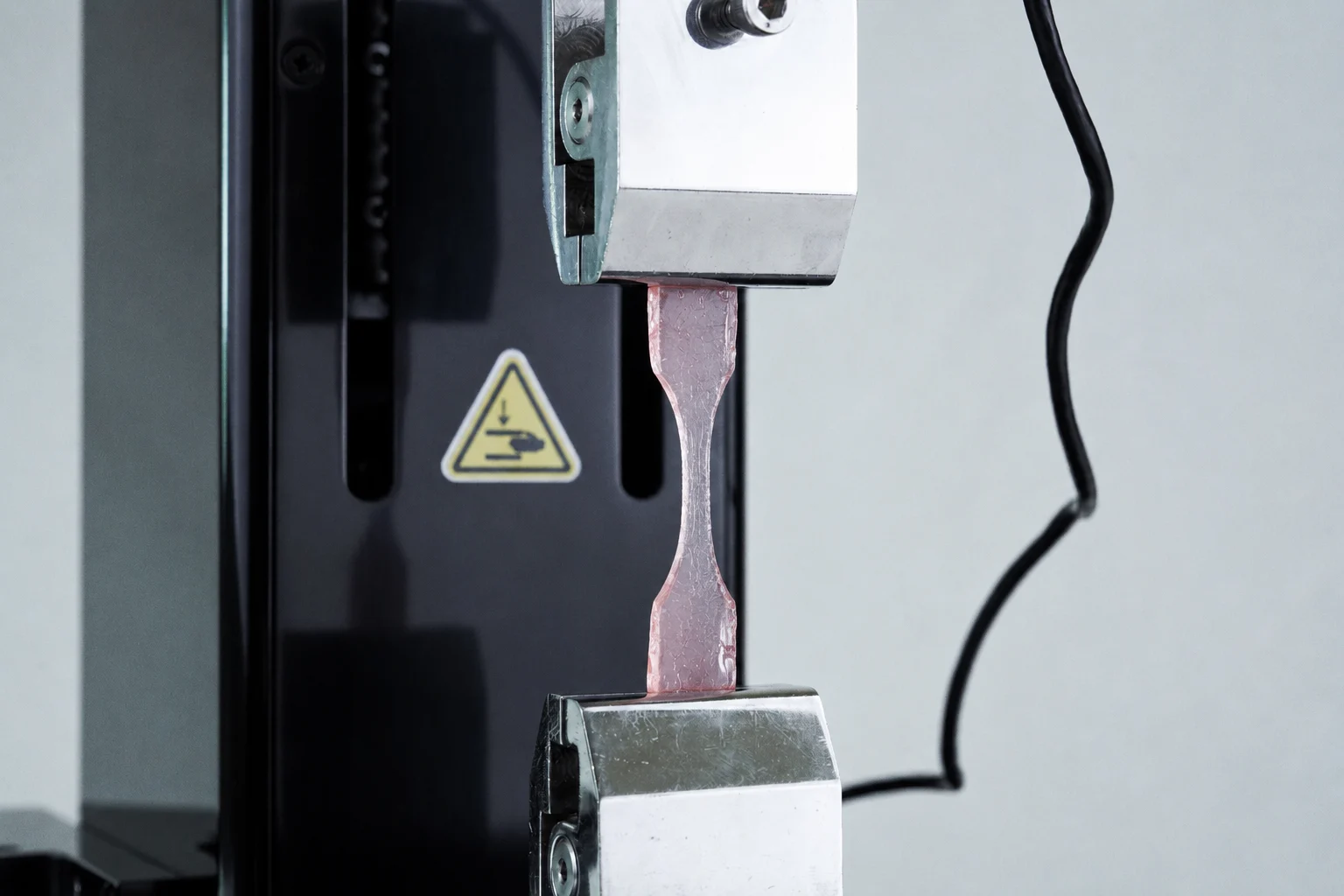

Overview of
Fatigue and Durability in Soft Materials
Soft biomaterials and elastomers experience cyclic deformation in many applications, including engineered tissues, wearable devices, soft robotics, and physiological models. Over time, repeated loading can lead to stiffening, softening, crack initiation, or mechanical failure.
- Material fatigue testing provides insight into:
Understanding fatigue performance helps researchers predict service lifetime and validate biomaterial performance under physiologically relevant or repetitive use conditions.

Importance of Cyclic Loading in Material Evaluation
Researchers use fatigue and durability testing to:
- Evaluate resistance to repeated tensile, compression, or shear loading
- Map changes in modulus, stiffness, and viscoelasticity over time
- Identify cumulative damage patterns or failure thresholds
- Compare material formulations and curing strategies
- Characterize long term performance of hydrogels and composites
- Assess mechanical robustness of soft actuators or wearable components
- Evaluate engineered tissues under biologically relevant loading frequencies
Material fatigue data guide design decisions for scaffolds, polymers, elastomers, and functional materials expected to undergo repetitive deformation. If you’ve got soft materials but you’re not sure what mechanical testing you need, read our Soft Materials Testing Systems guide.
Recommended CellScale Instruments for Cyclic Mechanical Testing Research
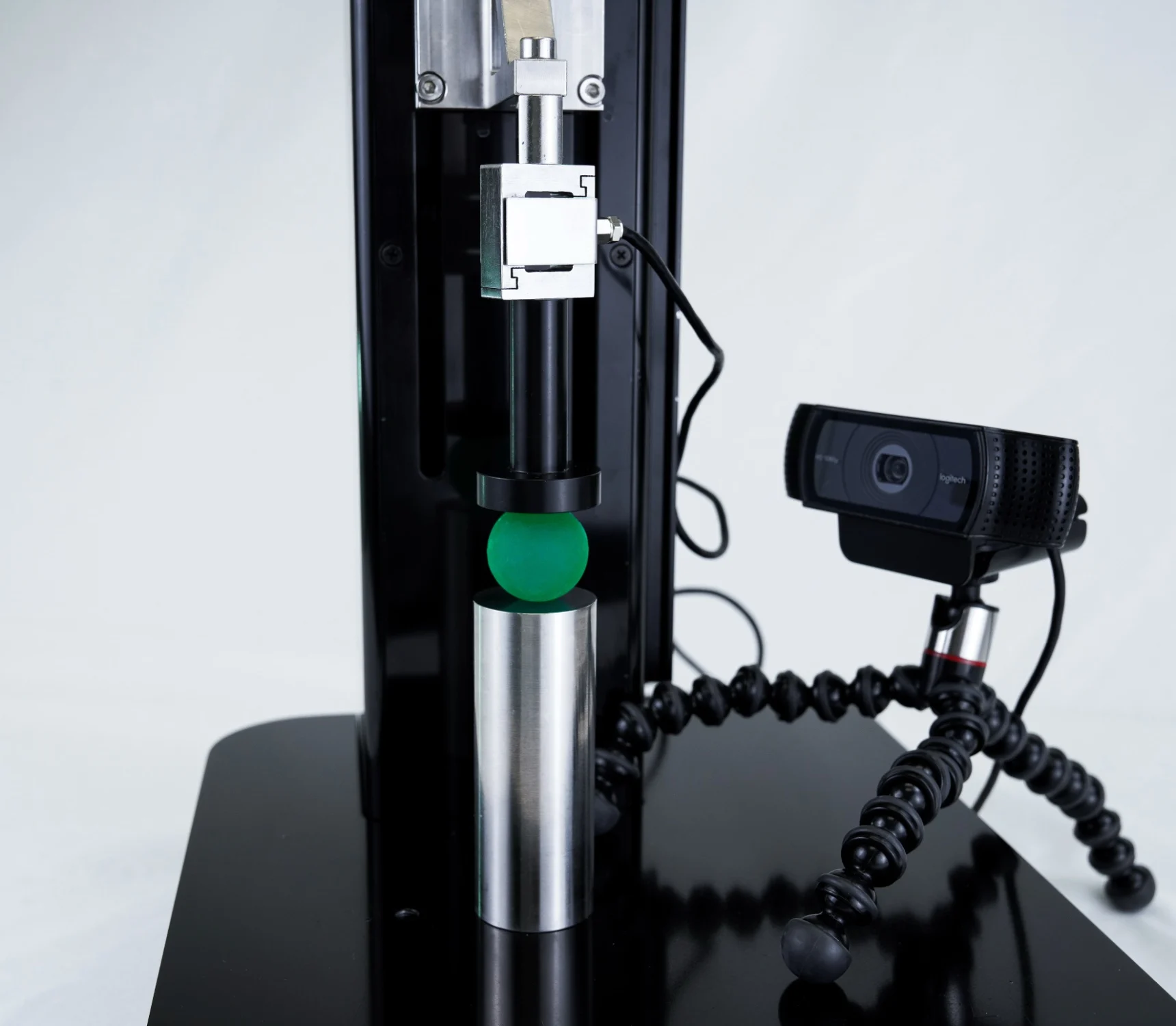
UniVert
Supports cyclic tensile, compression, and bending testing for soft materials, elastomers, and engineered constructs over extended loading cycles.

MechanoCulture J1
Applies cyclic strain stimulation for long term durability studies, fatigue analysis, and mechanobiology research involving repeated stretch.
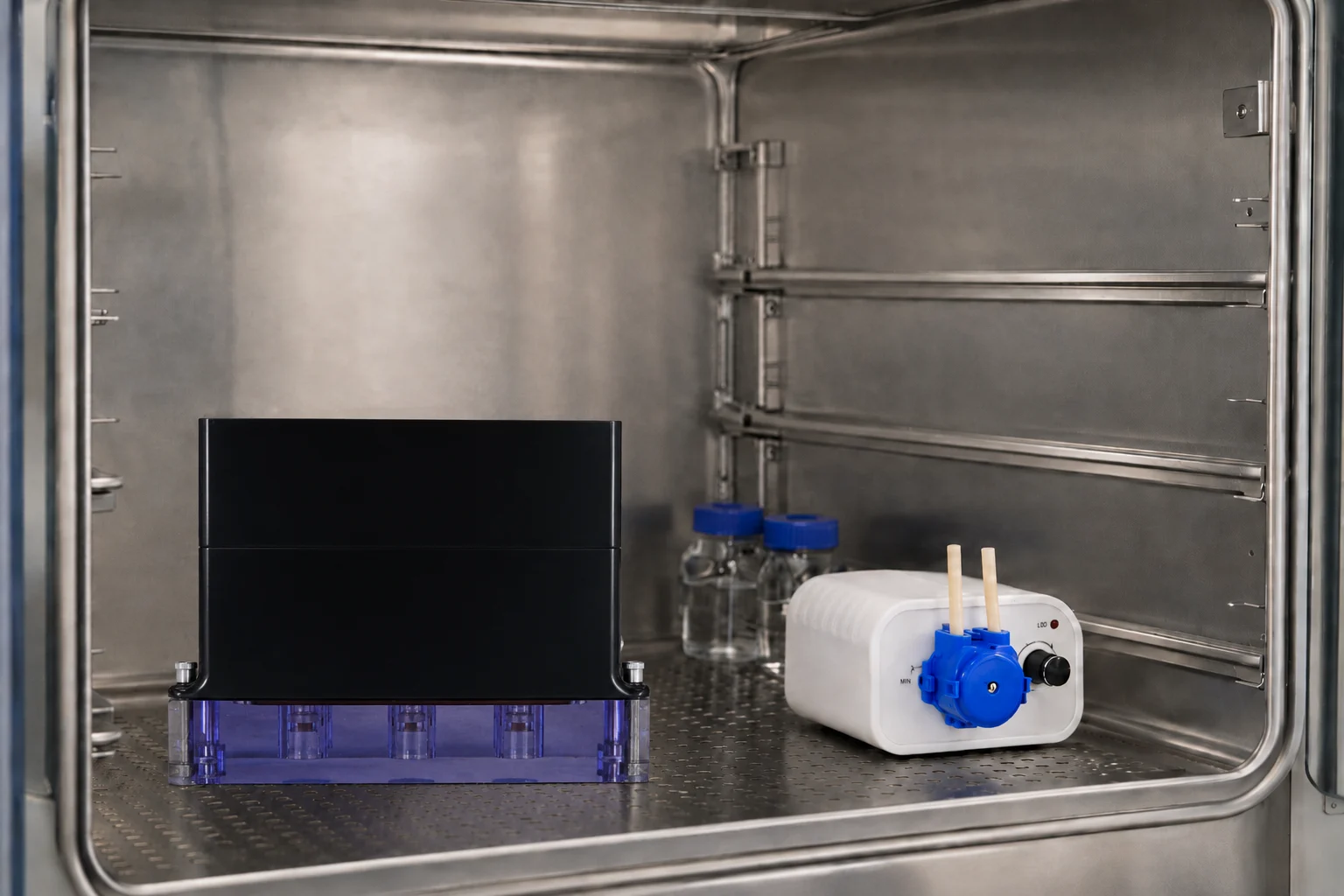
MechanoCulture TX
Applies cyclic compression stimulation for long term durability studies, fatigue analysis, and mechanobiology research involving repeated compression.
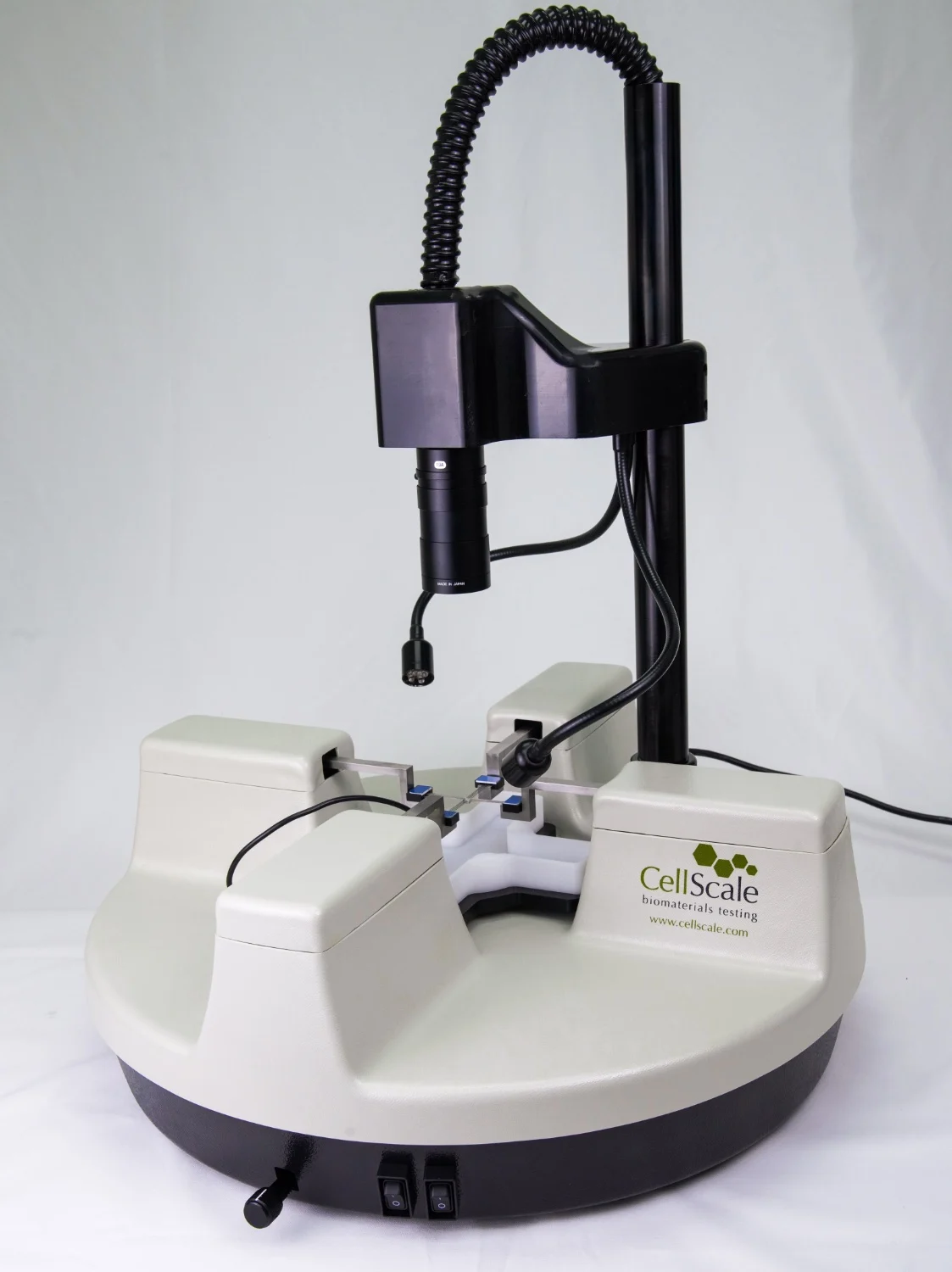
BioTester
Provides cyclic biaxial loading for membranes, engineered tissues, or thin films requiring multi-axis fatigue evaluation.
Testing Methods Related to Fatigue and Durability
Fatigue Testing
Monitors interfacial and sliding layer stability
Viscoelastic & Time-Dependent Testing
Assesses long term relaxation and recovery trends
Tensile Testing
Evaluates stiffness changes and failure strain
Creep Testing
Relevant to long-term load-bearing performance
Compression Testing
Examines creep, softening, and durability
Representative Sample Types for Material Fatigue Testing
Soft biomaterials and hydrogels
- Collagen and gelatin hydrogels
- Synthetic hydrogels with long term degradation
- Cell laden engineered tissues undergoing remodeling
Elastomers and polymers
- Silicone and PDMS elastomers
- TPU and composite elastomeric materials
- Soft robotic actuator materials
Engineered tissues and constructs
- Tendon or ligament like biomaterials
- Cardiac or skeletal muscle tissue models
- Membrane-based engineered tissues
Relevant Publications in Durability and Material Fatigue Testing
Advance Your Fatigue and Durability Research
CellScale systems provide cyclic loading capabilities for fatigue and durability testing of soft biomaterials, engineered tissues, elastomers, and composite materials. Contact our team to configure the ideal material fatigue testing setup for your research.