

Injectable Biomaterials Mechanics
and Regenerative Medicine


Overview of
Injectable and Regenerative Biomaterials Mechanics
Regenerative and injectable biomaterials are designed to be delivered through needles or catheters and to form mechanically functional structures within the body. These systems include injectable hydrogels, ECM-derived matrices, microbeads, microcarriers, and in situ gelling composites used for tissue regeneration, repair, and cell or factor delivery.
- Mechanical testing supports research in:
Mechanical characterization supports translational regenerative medicine by enabling quantitative comparison of injectable systems across formulation, delivery, and post-injection stages.
Importance of Mechanical Testing in ECM and Decellularized Matrix Research
Unlike pre-formed scaffolds, injectable biomaterials must withstand high shear and deformation during delivery while achieving appropriate mechanical properties after placement. Published studies frequently examine how injection alters stiffness, viscoelasticity, structural integrity, and regenerative performance. Mechanical mismatch before or after injection can compromise material retention, cell viability, and functional integration.
Mechanical testing enables researchers to:
- Quantify deformation and structural changes induced by injection
- Compare formulations for mechanical stability during delivery
- Evaluate in situ stiffening and gelation behaviour over time
- Assess load-bearing capacity after implantation
- Characterize microscale mechanics of injectable particles and carriers
- Study durability under physiologic loading conditions
- Benchmark regenerative materials against native tissue mechanics
Quantitative mechanics help bridge the gap between injectable material design and functional regenerative outcomes.
Recommended CellScale Instruments for Injectable Biomaterials Mechanics
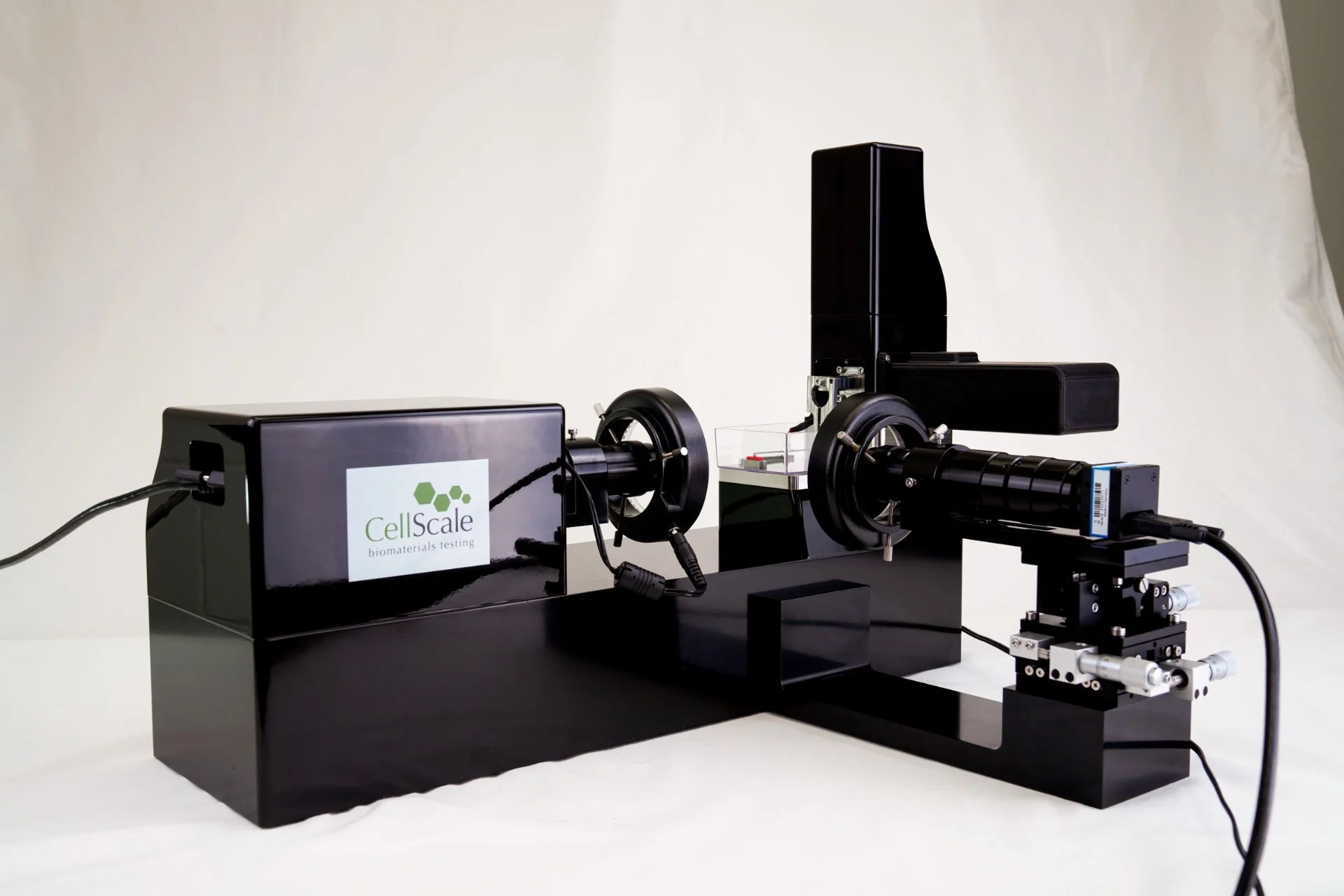
MicroTester
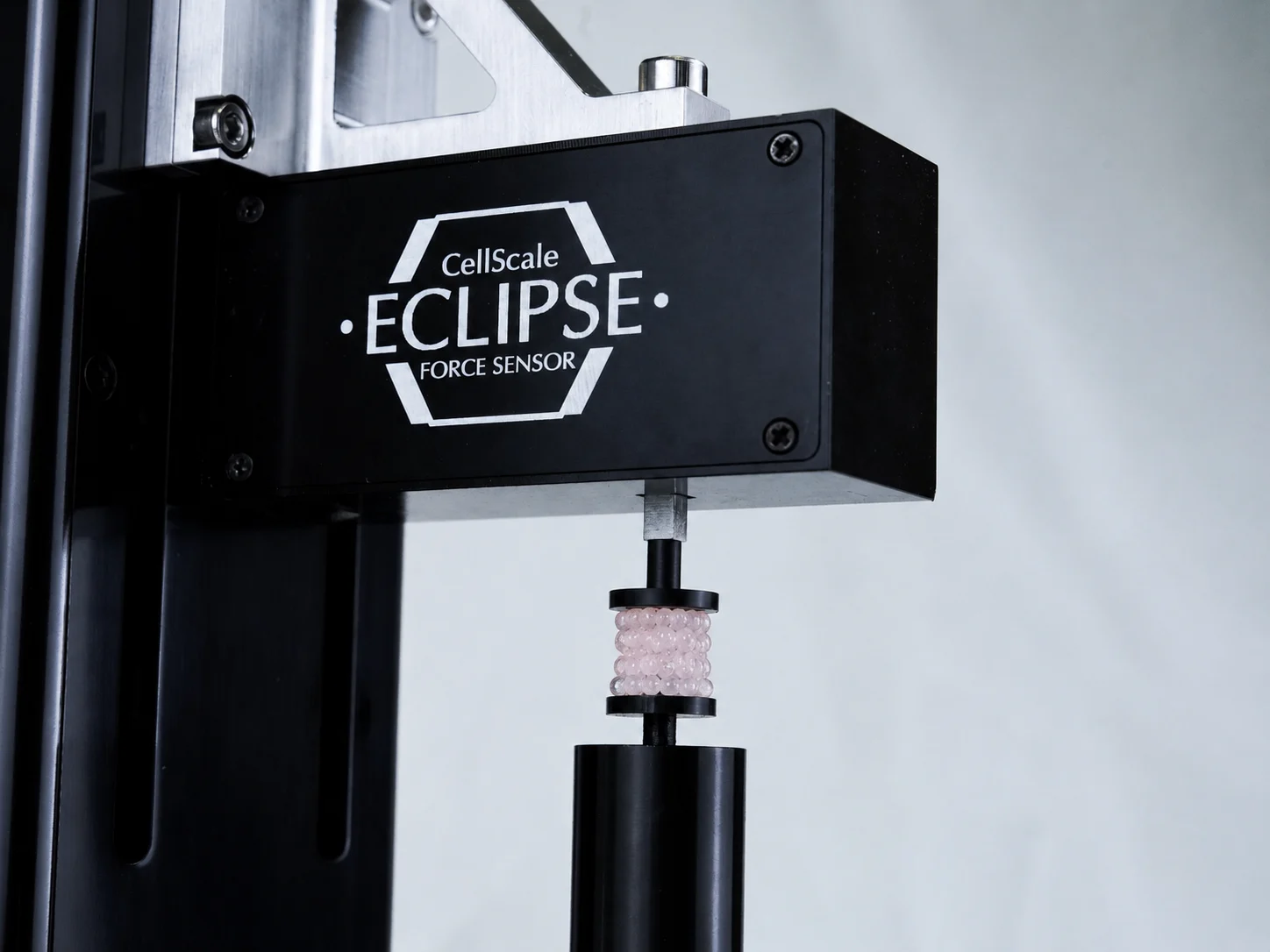
Ideal for micro-scale compression, indentation, and low-force testing of injectable microbeads, microcarriers, and small-volume regenerative materials.
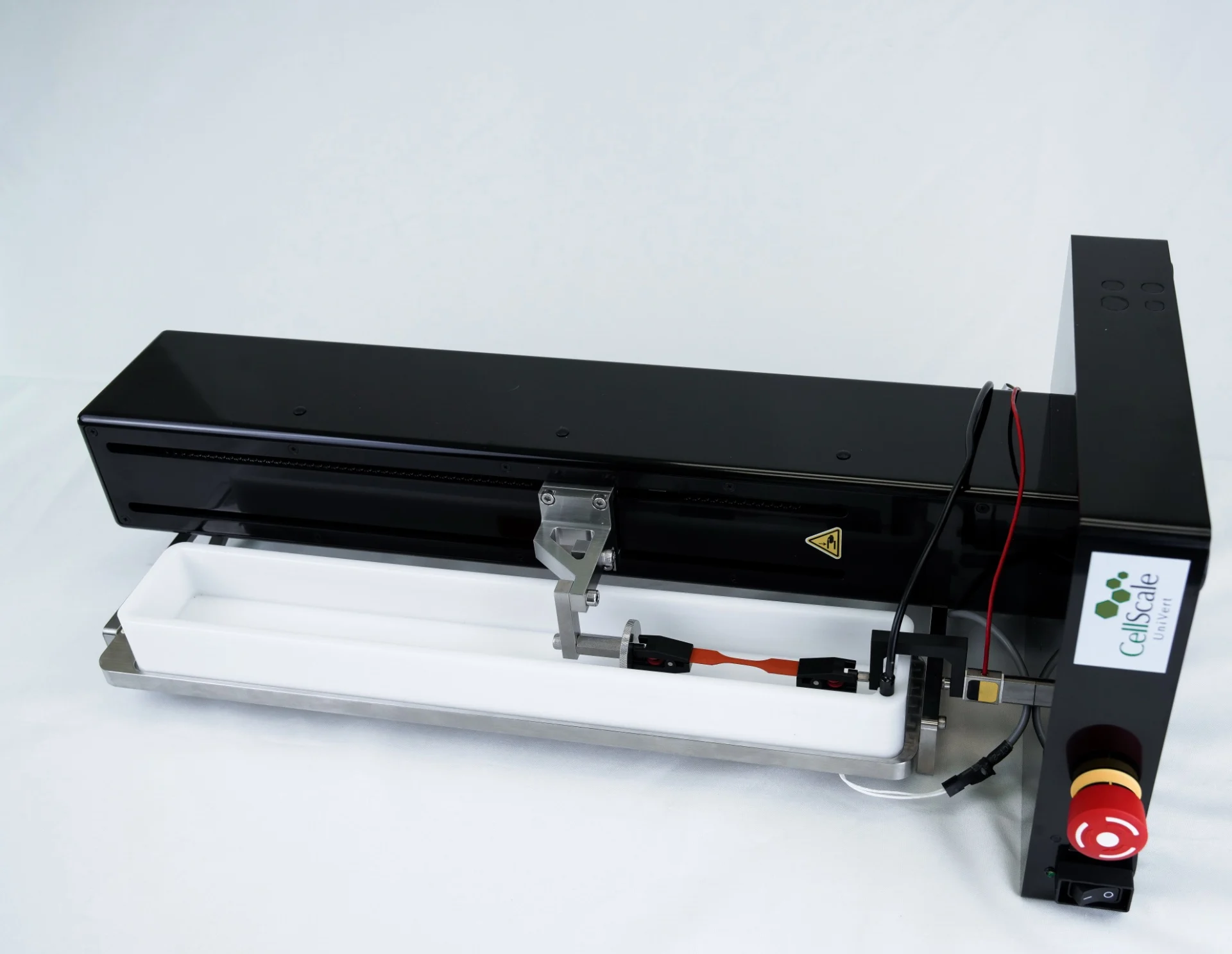
UniVert
Used for compression and tensile testing of injectable biomaterials before and after gelation, including bulk stiffness and viscoelastic behaviour.
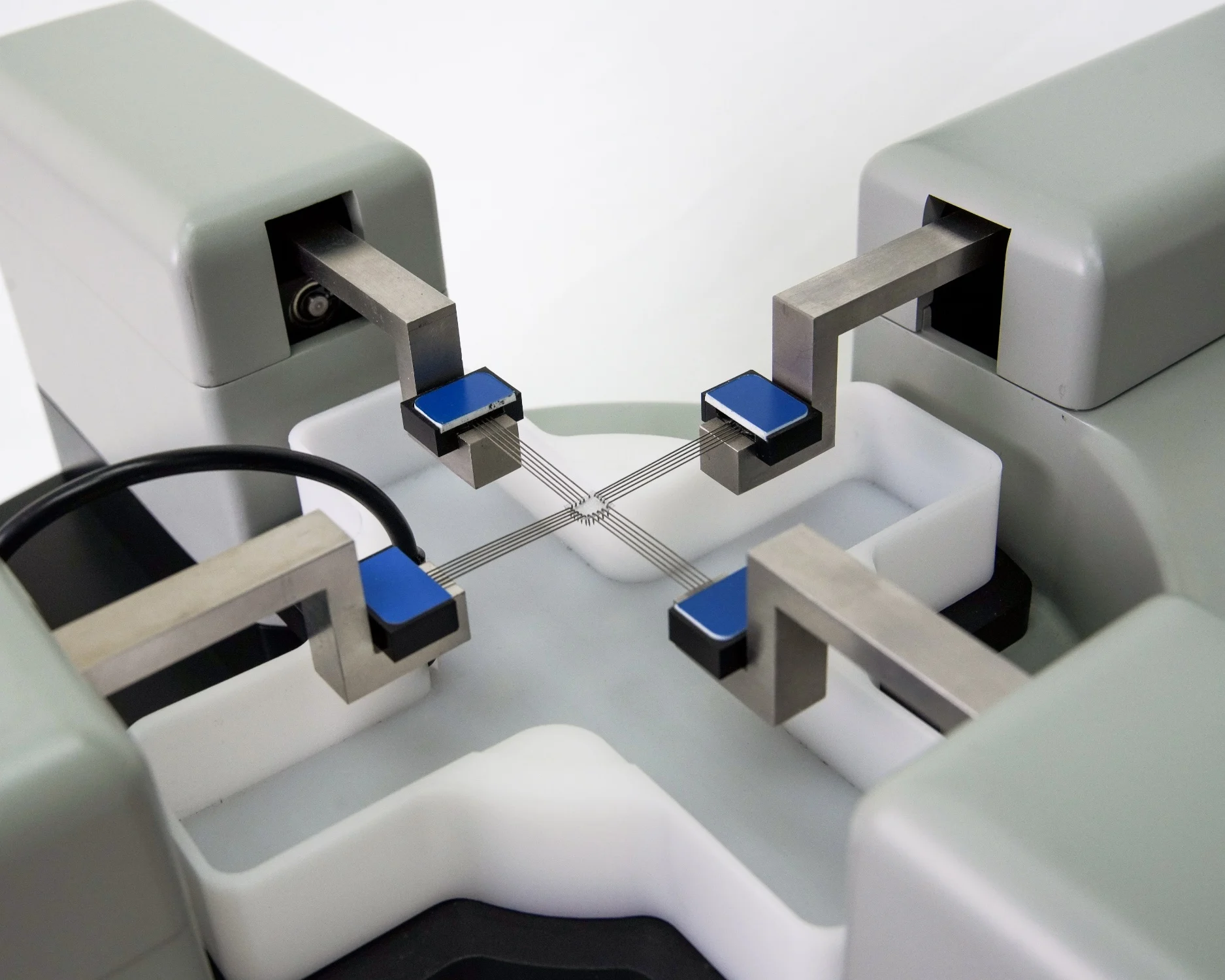
BioTester
Supports biaxial testing of planar injectable matrices and in situ formed sheet-like regenerative constructs where multiaxial mechanics are relevant.
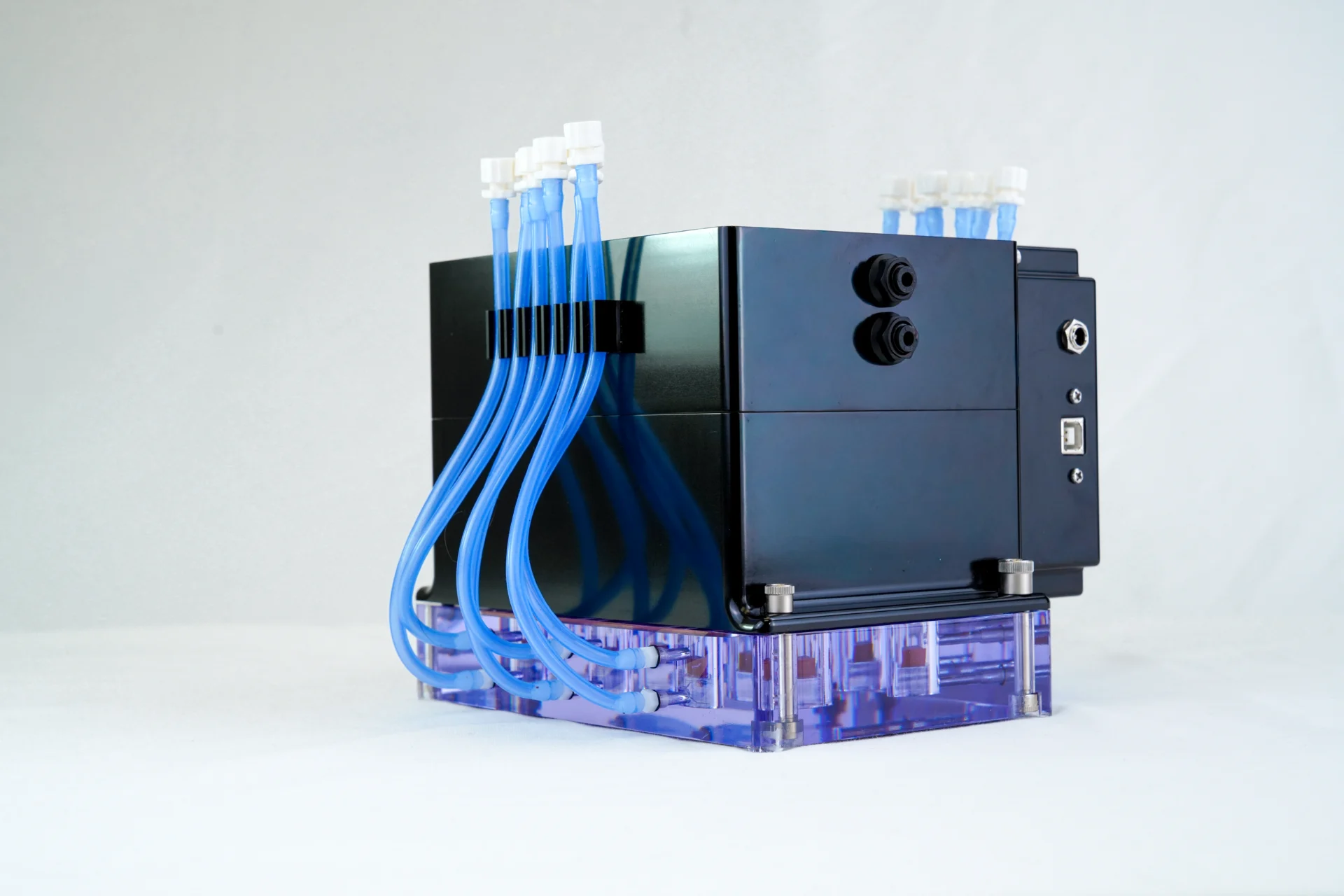
MechanoCulture TX
Applies controlled mechanical compression stimulation to injectable regenerative systems to study conditioning, remodeling, and mechanobiology after delivery.
Testing Methods for Injectable and Regenerative Biomaterials
Compression Testing
Evaluates mechanical integrity and load-bearing capacity after injection
Micro Mechanical Testing
Characterizes microscale mechanics of injectable particles and carriers
Pressure Testing
Evaluates structural integrity and pressurization behaviour of injectable constructs post-deployment
Creep Testing
Quantifies time-dependent deformation under sustained compressive or tensile loading
Ultra Low Force Testing
Enables sensitive measurement of soft, injectable regenerative systems
Representative Sample Types in Injectable Biomaterials Mechanics
Injectable matrices and gels
- Injectable hydrogels
- ECM-derived injectable matrices
- in situ gelling polymer systems
Injectable particles and carriers
- Pullulan and polymer microbeads
- Cell-laden microcarriers
- Growth factor delivery particles
Regenerative delivery systems
- Injectable muscle and cardiac repair materials
- Injectable intervertebral disc and cartilage systems
- Minimally invasive regenerative scaffolds
Post-injection and remodeling models
- in situ formed regenerative constructs
- Mechanically conditioned injectable systems
- Degradation and integration studies
Selected Publications in Injectable and Regenerative Biomaterials
Advance Your Injectable and Regenerative Biomaterials Research
CellScale systems support injectable biomaterials mechanics, regenerative material testing, and micro-scale compression workflows requiring precise force control and physiologic testing conditions. Contact our team to identify the optimal platform for your injectable biomaterials research.
