

Stress Relaxation Testing
of Soft Materials

Stress relaxation testing measures how stress decays over time when a material is held at a constant strain. For soft tissues, hydrogels, and other viscoelastic biomaterials, stress relaxation testing provides critical insight into time-dependent mechanical behaviour that cannot be captured using instantaneous loading alone.
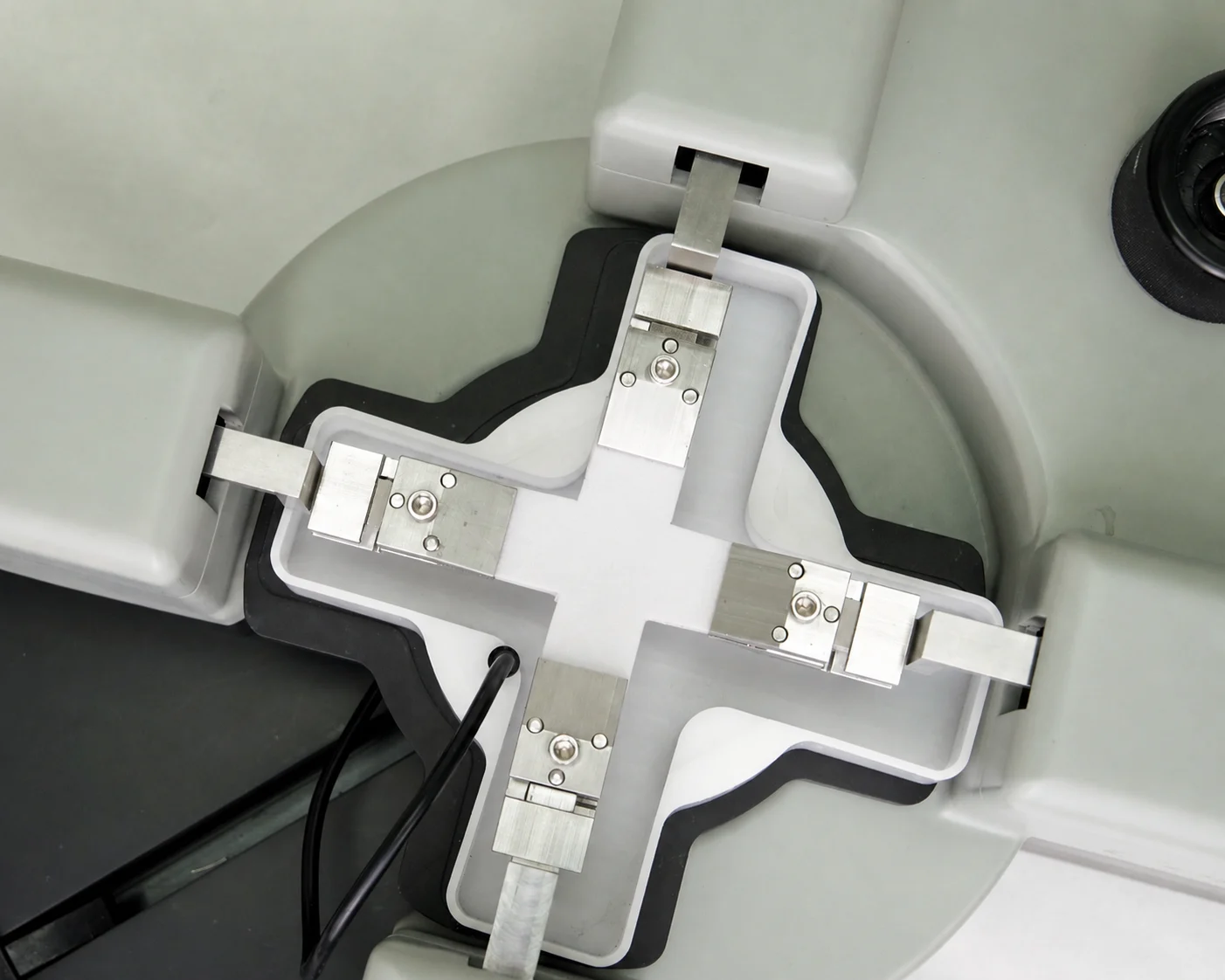
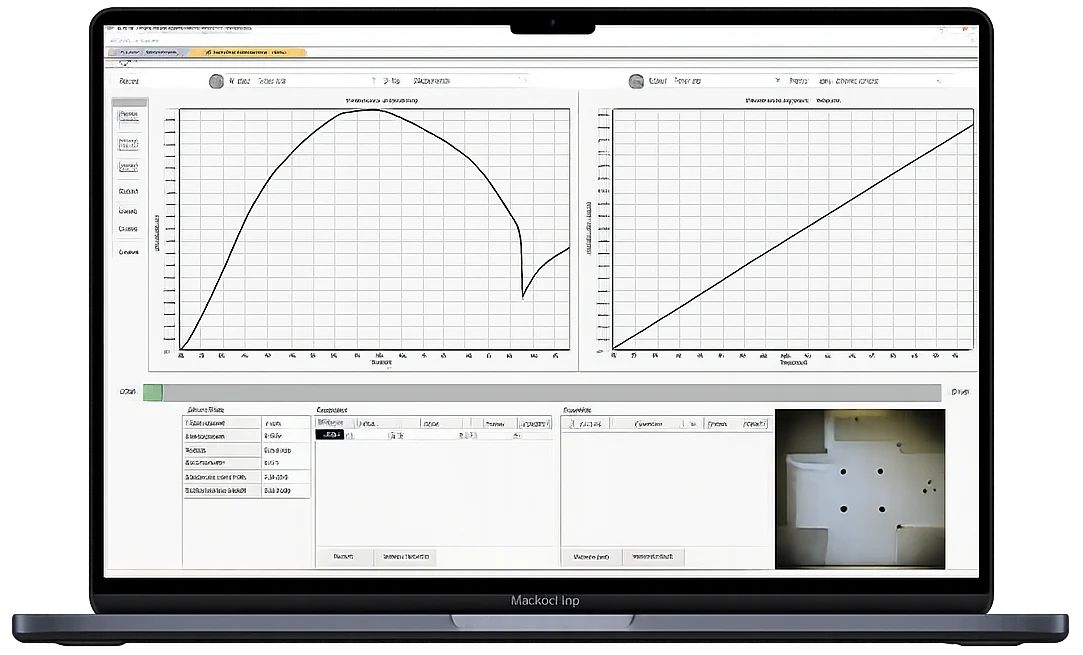

What Stress Relaxation Testing Measures
A stress relaxation test applies a rapid deformation to a specimen and holds that deformation constant while monitoring the decay in force or stress over time.
Stress relaxation testing complements creep testing and other time-dependent methods by focusing on stress decay rather than deformation accumulation.
Measurement Examples
- Time-dependent stress response
- Stress relaxation behaviour
- Viscoelastic relaxation mechanisms
- Load dissipation under constant strain testing
- Tissue energy dissipation and damping
- Long-term mechanical stability
Because many biological materials dissipate stress under sustained deformation, stress relaxation testing is essential for understanding physiological function, disease progression, and long-term implant performance.
Stress Relaxation Testing in Biomaterials Research
Stress relaxation testing plays a key role in understanding how biological and engineered materials redistribute loads over time under sustained deformation. This makes biomaterials stress relaxation testing essential for evaluating load dissipation, viscoelastic behaviour, and long-term mechanical stability in soft constructs.
- Soft tissue biomechanics
Soft tissue stress relaxation is observed in skin, tendon, cartilage, heart valves, and intervertebral disc tissues, influencing load sharing, mechanotransduction, and injury susceptibility.
- Hydrogel and scaffold characterization
Hydrogels and ECM-based scaffolds often exhibit pronounced viscoelastic relaxation, which affects cell signaling, matrix remodeling, and long-term construct performance.
- Implant and device evaluation
Stress relaxation behaviour impacts the function of soft implants, sealants, and tissue replacements where load dissipation influences durability and biological integration.
- Disease modeling
Altered stress relaxation behaviour is associated with fibrosis, degeneration, and aging, making stress relaxation testing valuable for identifying pathological mechanical changes.
Common Sample Types for Stress Relaxation Testing
- Soft biological tissues
- Hydrogels and bioinks
- Engineered tissue constructs
- Cartilage and intervertebral disc samples
- Elastomers and compliant polymers
- Membranes and thin films
- Tissue-mimetic materials
How a Stress Relaxation Test Works
In a stress relaxation test, the specimen is rapidly deformed to a prescribed strain level and held constant while stress decay is continuously recorded over time.
Constant strain testing protocols
Stress relaxation testing relies on constant strain testing, where deformation is fixed and force or stress is monitored as it relaxes.
Time-dependent stress response measurement
Force decay curves capture the time-dependent stress response, enabling quantitative analysis of viscoelastic relaxation processes.
Environmental control during stress relaxation testing
Hydration, temperature, and physiological media are critical for maintaining sample integrity and ensuring biologically relevant stress relaxation behaviour.
Imaging and non-contact strain tracking
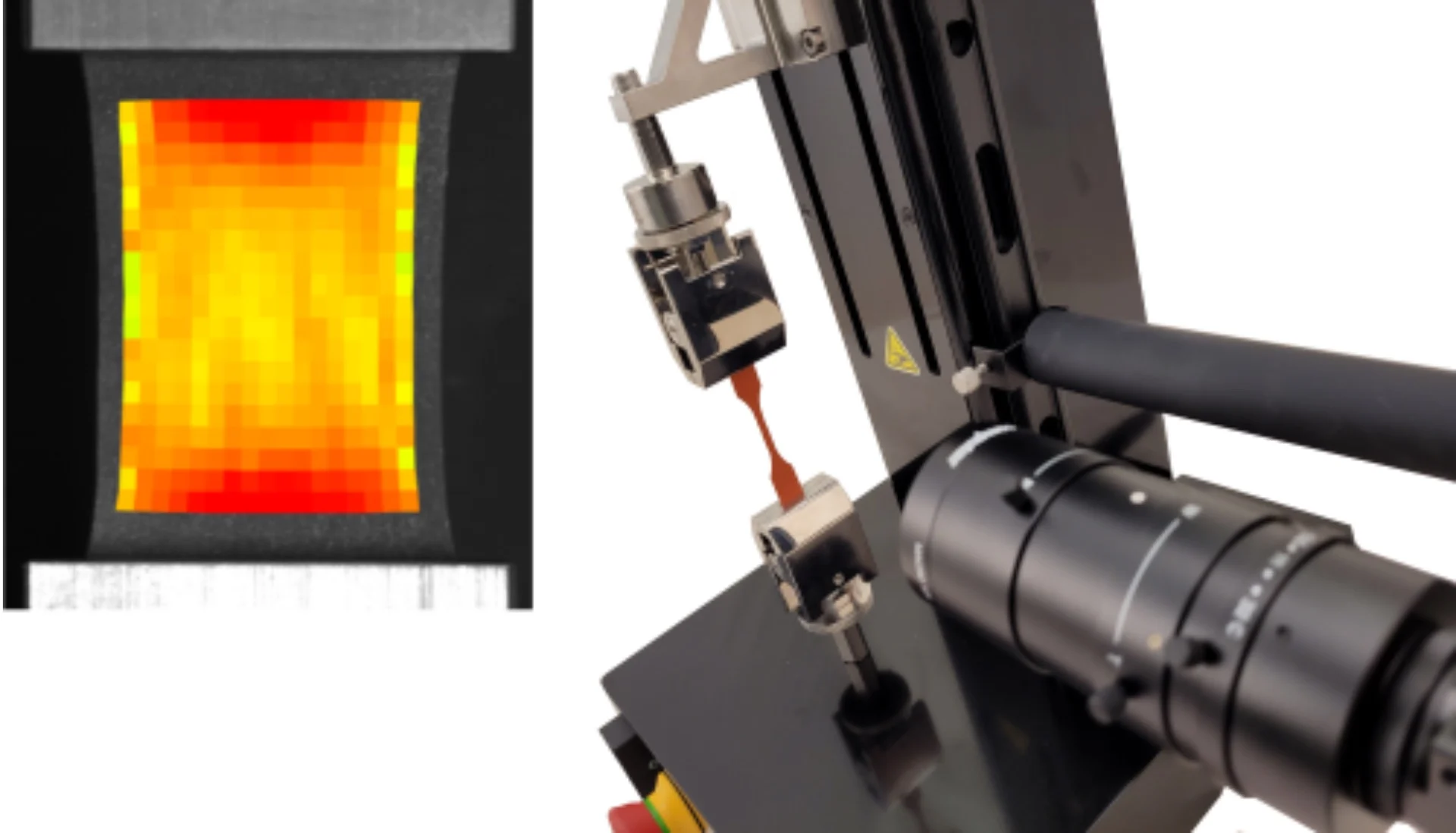
Image-based strain tracking ensures accurate deformation control, especially when testing soft, irregular, or heterogeneous biomaterials.
Recommended CellScale Instruments for Stress Relaxation Testing
CellScale mechanical testers support stress relaxation testing under constant strain conditions to quantify time-dependent stress response in soft tissues and biomaterials.
BioTester
UniVert
Relevant Research Applications
Stress relaxation testing supports research across multiple application areas:
Recent Publications Using Stress Relaxation Testing
Related Testing Methods
Stress relaxation testing complements other viscoelastic measurements.
Ready to Perform Stress Relaxation Testing?
CellScale provides mechanical testing systems designed to capture time-dependent stress response in soft tissues and biomaterials under physiologically relevant conditions.