Biaxial Testing and Computational Modeling of Heart Tissue | University of Ottawa

Research Highlights & Case Studies
Quick Overview:
Biaxial mechanical testing and finite element modeling of heart tissue to improve computational simulations for cardiovascular research and surgery.

Researchers at the University of Ottawa develop experimental and computational methods to improve biomechanical models of heart valves for cardiovascular surgery planning.

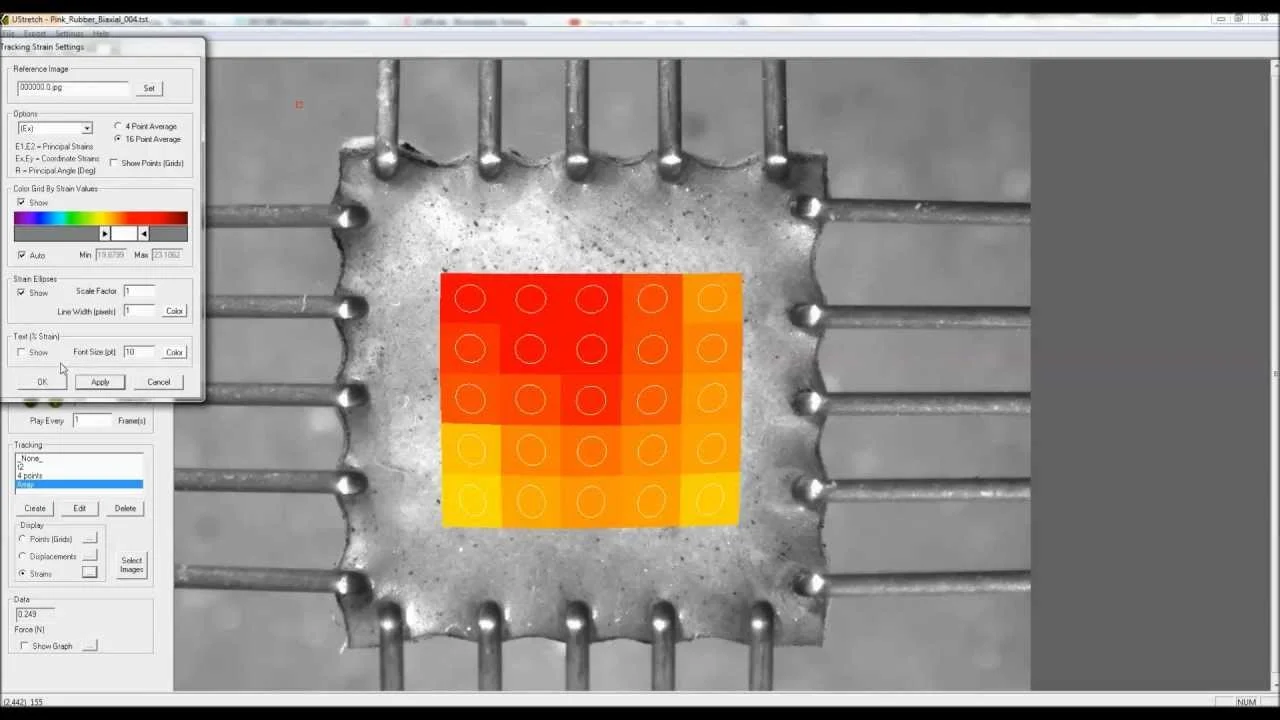
In this interview, Prof. Michel Labrosse and Dr. Reza discuss how biaxial mechanical testing is used to determine material properties of cardiac tissues and validate hyperelastic constitutive models. Using controlled biaxial loading, multiple specimen attachment methods, and image-based strain analysis, experimental data are integrated into finite element simulations to compare testing configurations and improve model accuracy.

This work highlights the critical role of validated experimental data in advancing predictive simulations for cardiovascular biomechanics and surgical applications.


Related Videos:

MechanoCulture T6 Uniaxial Mechanical Stimulation Demonstration

MechanoCulture J1 Mechanical Stimulation System Introduction

Biomaterials Mechanical Testing for the Classroom Using the UniVert

Stress Strain Curve Data Analysis

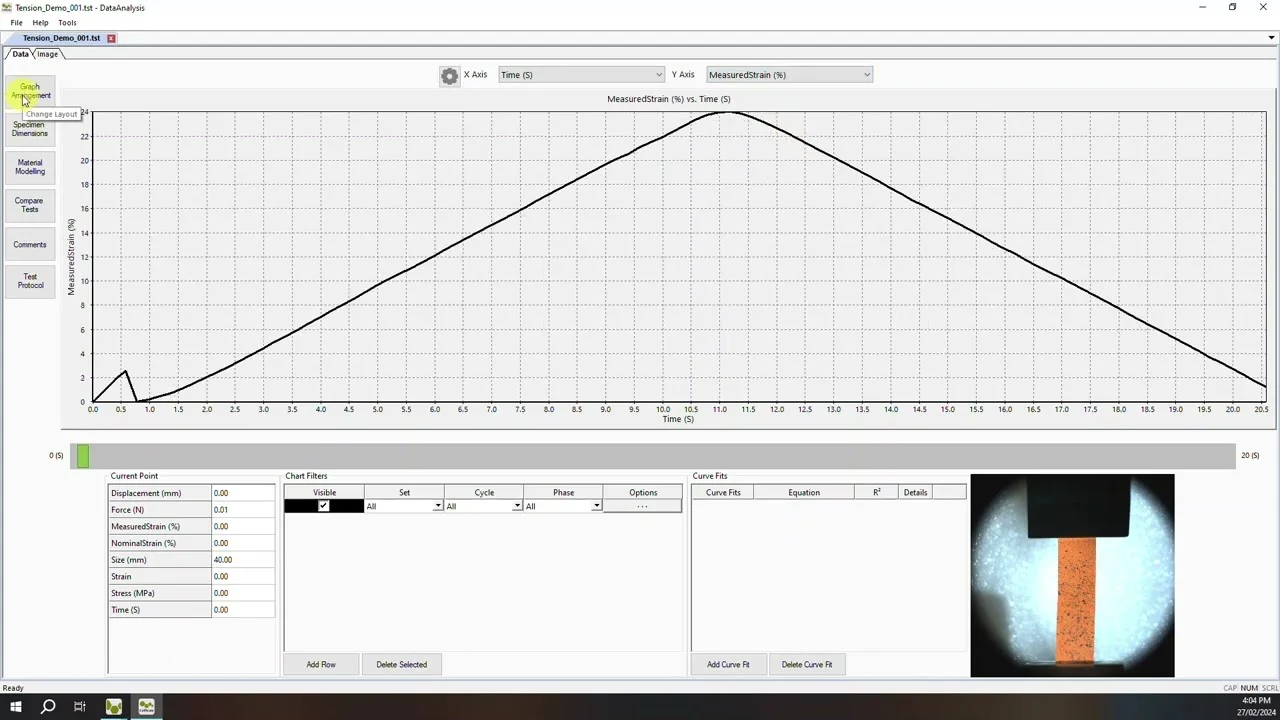
Mechanical Testing Data Review and Analysis Software Demonstration

Mechanical Test Data Analysis and Strain Measurement Software Overview

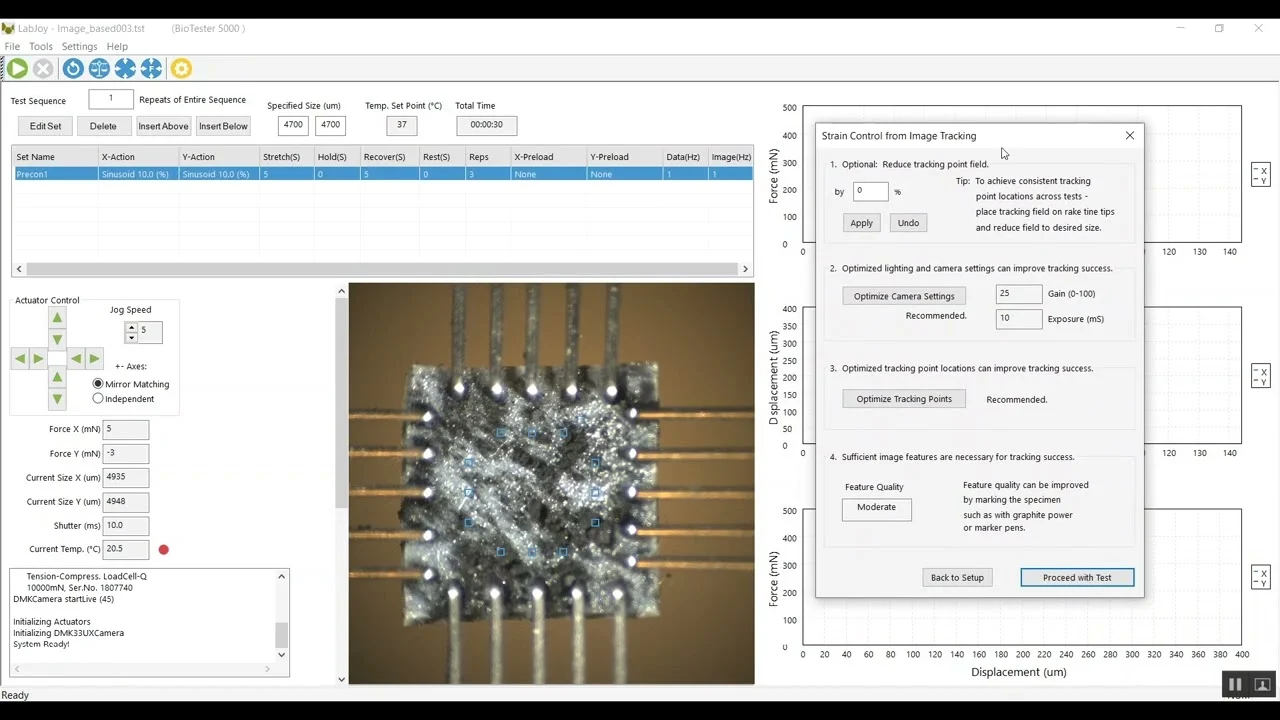
Real-Time Image-Based Strain Control for Mechanical Testing

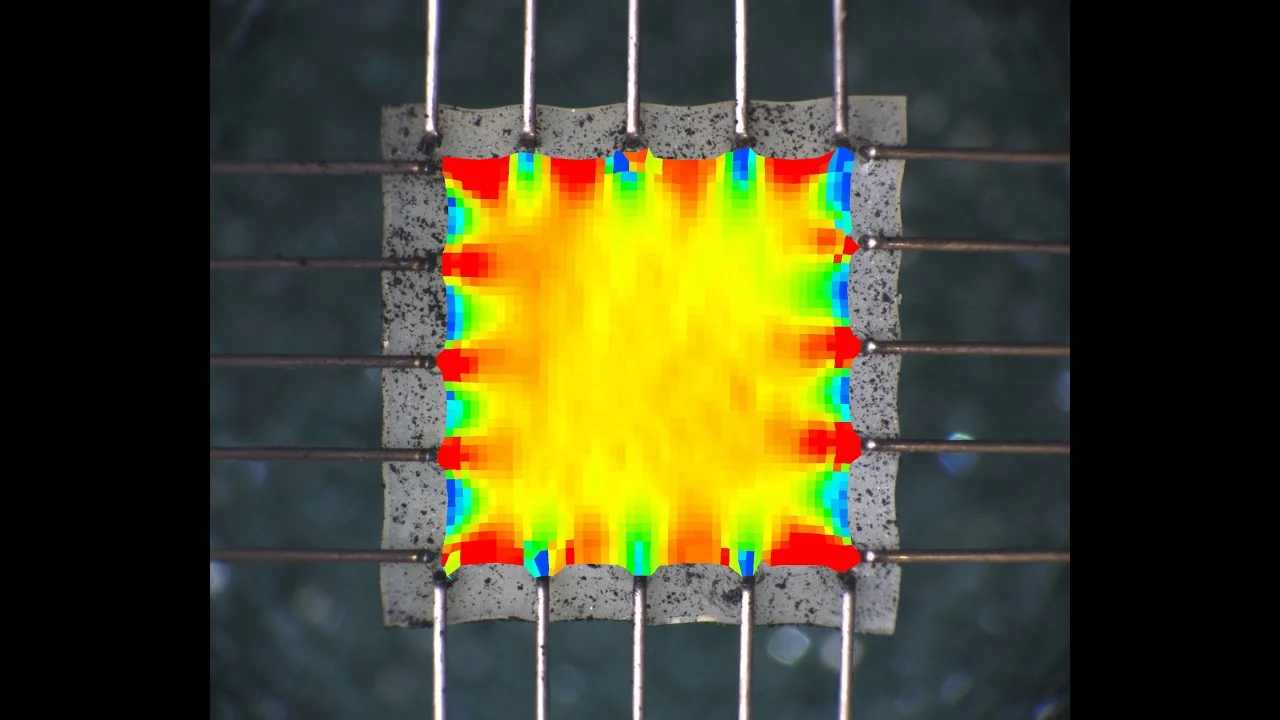
Biaxial Image-Based Strain Tracking

Image Tracking and Strain Analysis Software Demonstration

Custom Pressure–Volume Control System for Lung Mechanics Testing

Contact Sales

Product of Interest: