

Hydrostatic Pressure Testing
For Cells, Tissues, and Biomaterials

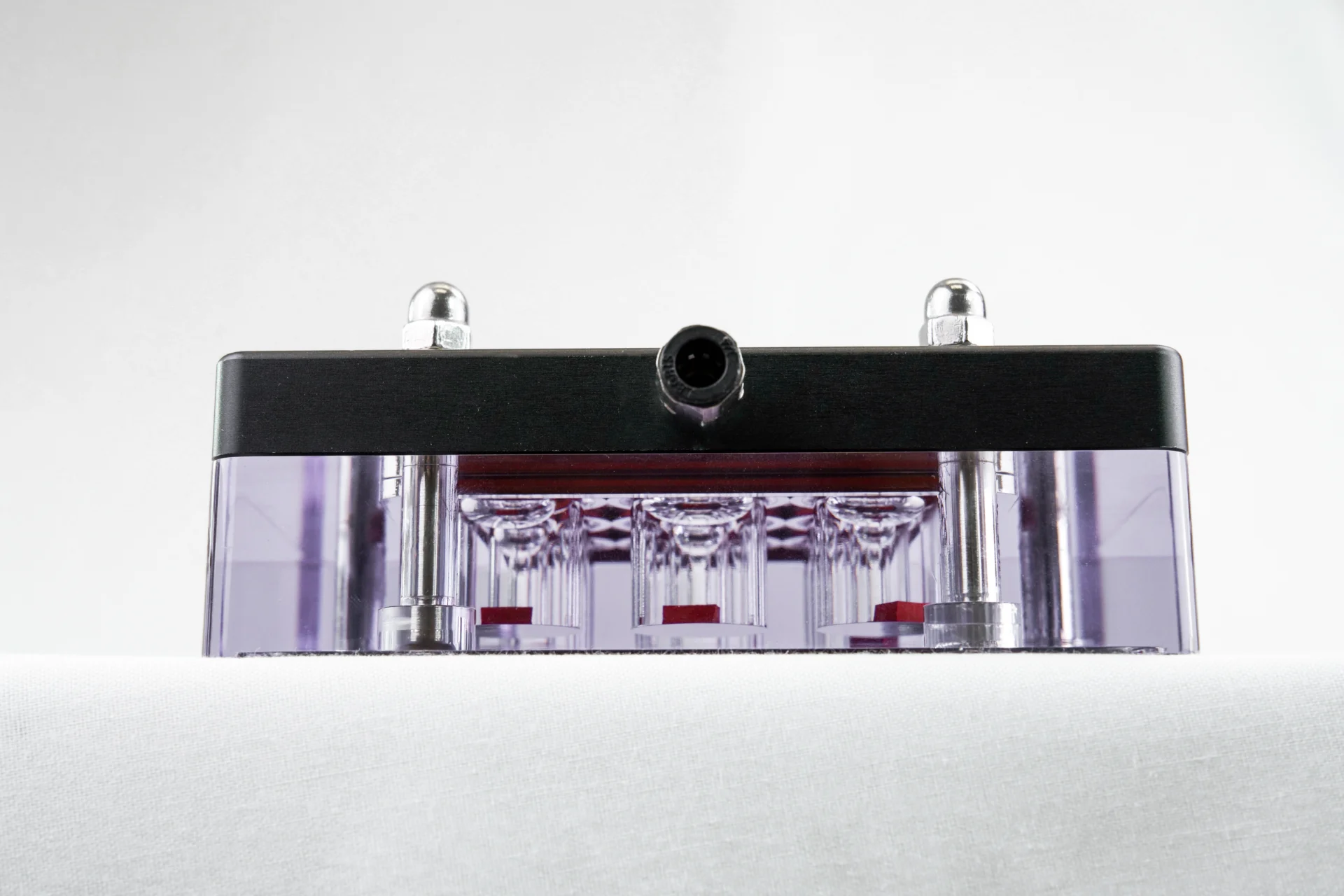
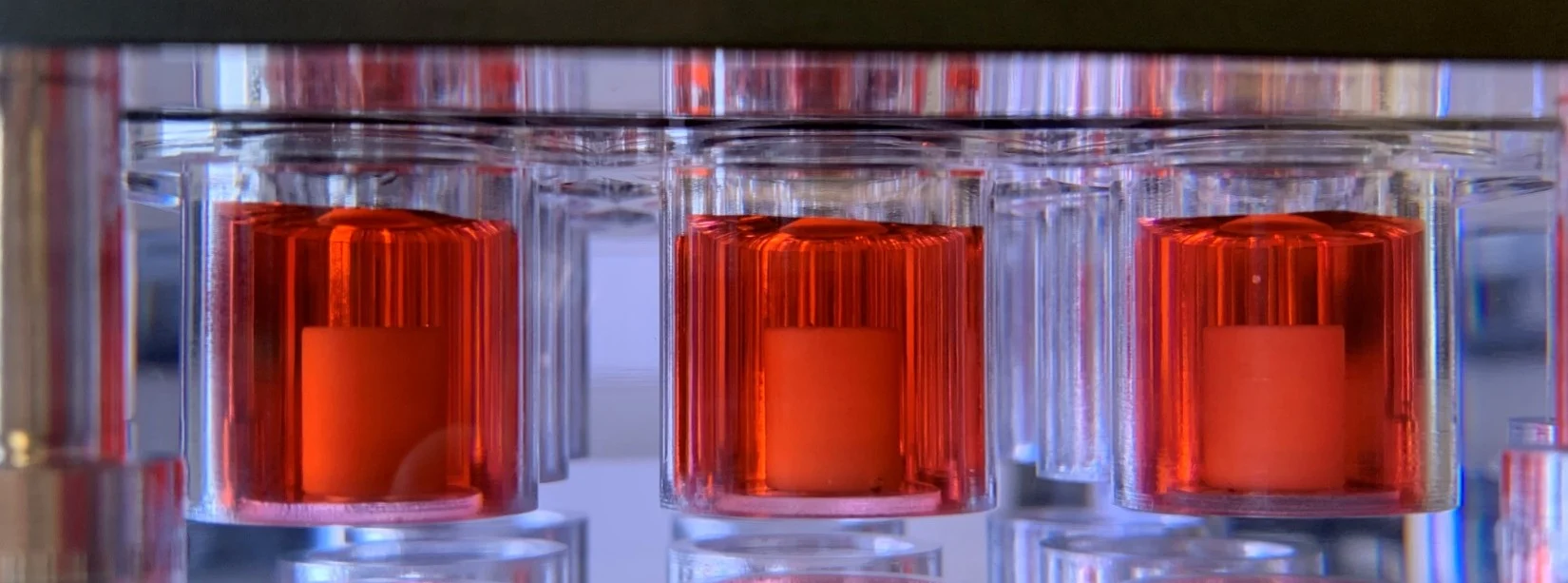
Hydrostatic pressure testing applies uniform pressure loading to biological samples without inducing shear or directional strain. This testing method is widely used to study how cells, tissues, and engineered constructs respond to pressure-driven mechanical cues, particularly in cardiovascular, cartilage, and mechanobiology research where pressure plays a central physiological role.

What Hydrostatic Pressure Testing Measures
Hydrostatic pressure testing evaluates the biological and mechanical response of samples exposed to controlled pressure environments. Measurements and outcomes include:
Measurement Examples
- Cellular and/or tissue response to pressure stimulation
- Pressure-induced mechanotransduction
- Changes in gene expression or tissue remodeling
- Effects of cyclic versus static pressure loading
- Pressure volume mechanical behaviour
- Time-dependent response to sustained pressure
- Pressure-mediated material or tissue adaptation
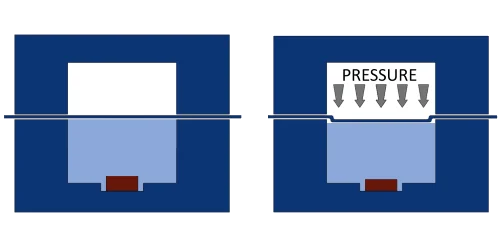
These outcomes reflect cellular and tissue responses to hydrostatic pressure stimulation applied under controlled environmental conditions. Unlike tensile or compressive tests, hydrostatic pressure applies load isotropically, making it ideal for pressure-sensitive biological systems.
Hydrostatic Pressure Testing in Biomaterials Research
Hydrostatic pressure testing is commonly used in:
- Cartilage and joint mechanobiology
Chondrocytes and cartilage constructs experience hydrostatic pressure during normal joint loading.
- Cardiovascular and vascular research
Cells and tissues exposed to blood pressure can be studied under controlled pressure environments.
- Intervertebral disc and spine biomechanics
Disc cells and nucleus pulposus tissues respond strongly to cyclic pressure loading.
- Mechanotransduction studies
Pressure based mechanical cues activate signaling pathways distinct from strain-based loading.
- Engineered tissue maturation
Hydrostatic pressure can promote ECM synthesis and tissue development during culture.
Compatible Sample Types for Hydrostatic Pressure Testing
- Cell cultures and cell laden hydrogels
- Cartilage explants and engineered cartilage
- Intervertebral disc tissue components
- Vascular and cardiovascular tissues
- Engineered tissue constructs
- Microtissues and spheroids
- Organoid and tissue mimetic systems
How Hydrostatic Pressure Testing Works
Hydrostatic pressure testing uses sealed chambers to apply uniform pressure to samples.
Static Hydrostatic Pressure Loading
Samples are exposed to constant pressure to study sustained mechanobiological responses.
Cyclic Hydrostatic Pressure
Cyclic hydrostatic pressure is applied in controlled waveforms to simulate physiological loading conditions experienced in vivo.
Pressure Volume Mechanical Testing
Pressure volume mechanical testing correlates pressure changes with volume displacement in sealed systems to characterize bulk mechanical response.
Temperature Controlled and Sterile Environments
Hydrostatic pressure testing is often performed under sterile, temperature-regulated conditions to support long term culture.
Recommended CellScale Instrument for Hydrostatic Pressure Testing
CellScale has a dedicated hydrostatic loading bioreactor for applying controlled pressure stimulation to cells and tissues under culture conditions.
MechanoCulture TR
Relevant Research Applications
Hydrostatic pressure testing supports research across:
Publications Using Hydrostatic Pressure Testing
Related Testing Methods
Hydrostatic pressure testing is often paired with tubular and compressive methods.
Ready to Perform Hydrostatic Pressure Testing?
The MCTR bioreactor provides precise hydrostatic pressure testing and stimulation for cells, tissues, and engineered constructs.