


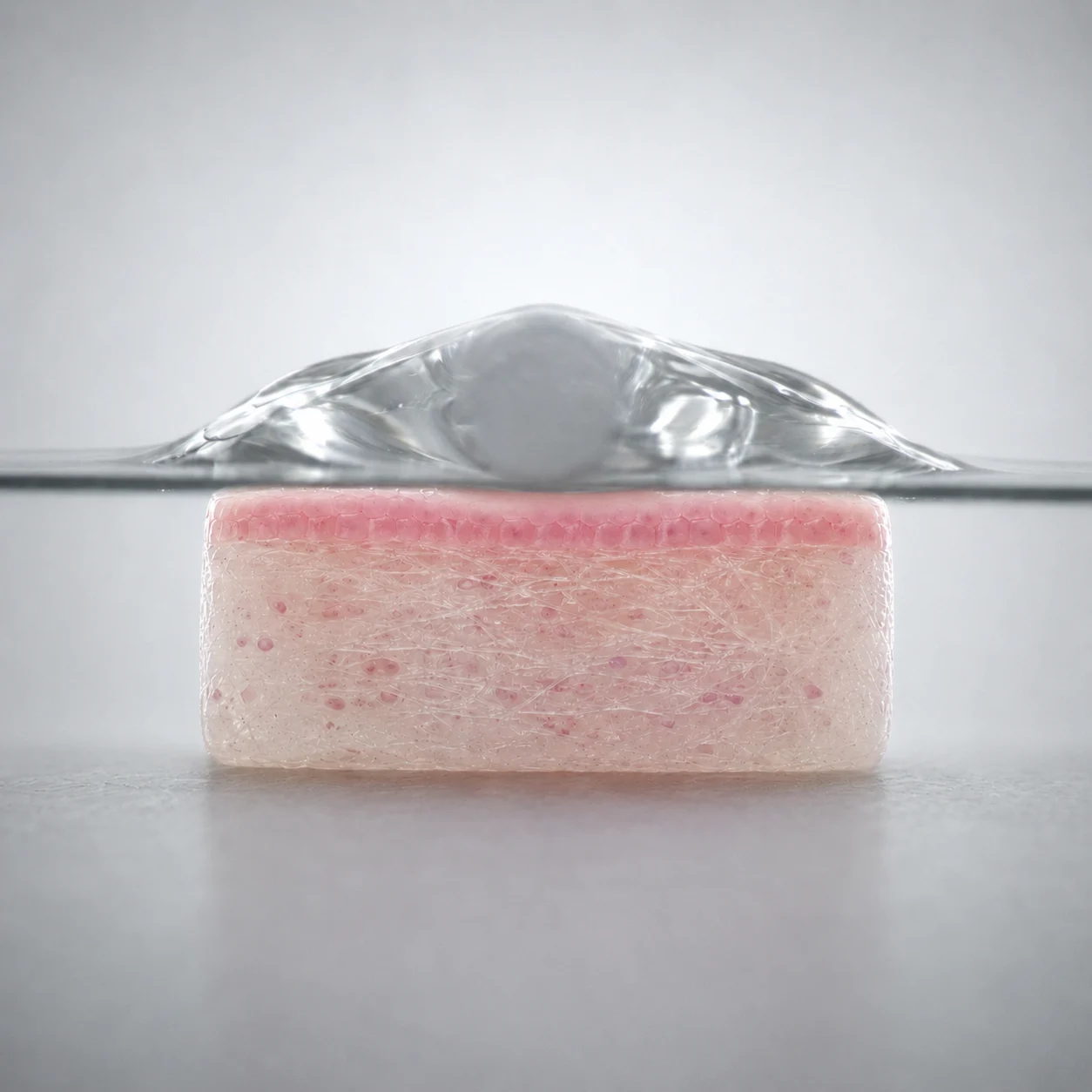
Overview of Organoid and Tissue Mimetic Mechanics
Organoids and tissue mimetic constructs recreate structural and functional aspects of native organs. Their mechanics influence growth, differentiation, transport, morphogenesis, and disease progression.
- Mechanical characterization is essential for understanding:
Organoid mechanical testing validates engineered platforms designed to replicate native biomechanical environments.

Importance of Mechanical Evaluation in Organoid and Mimetic System Research
Researchers use mechanical testing to:
- Quantify stiffness and viscoelasticity of organoid hydrogel constructs
- Measure deformation behaviour of epithelialized membranes
- Assess microscale heterogeneity with indentation
- Evaluate matrix remodeling driven by organoid growth
- Benchmark engineered mimetic systems against native tissues
- Analyze organoid force generation or compaction
- Understand loading effects on organoid development and differentiation
Mechanical insights help relate structural behaviour to biological functionality.
Recommended CellScale Instruments for Organoid Mechanical Testing
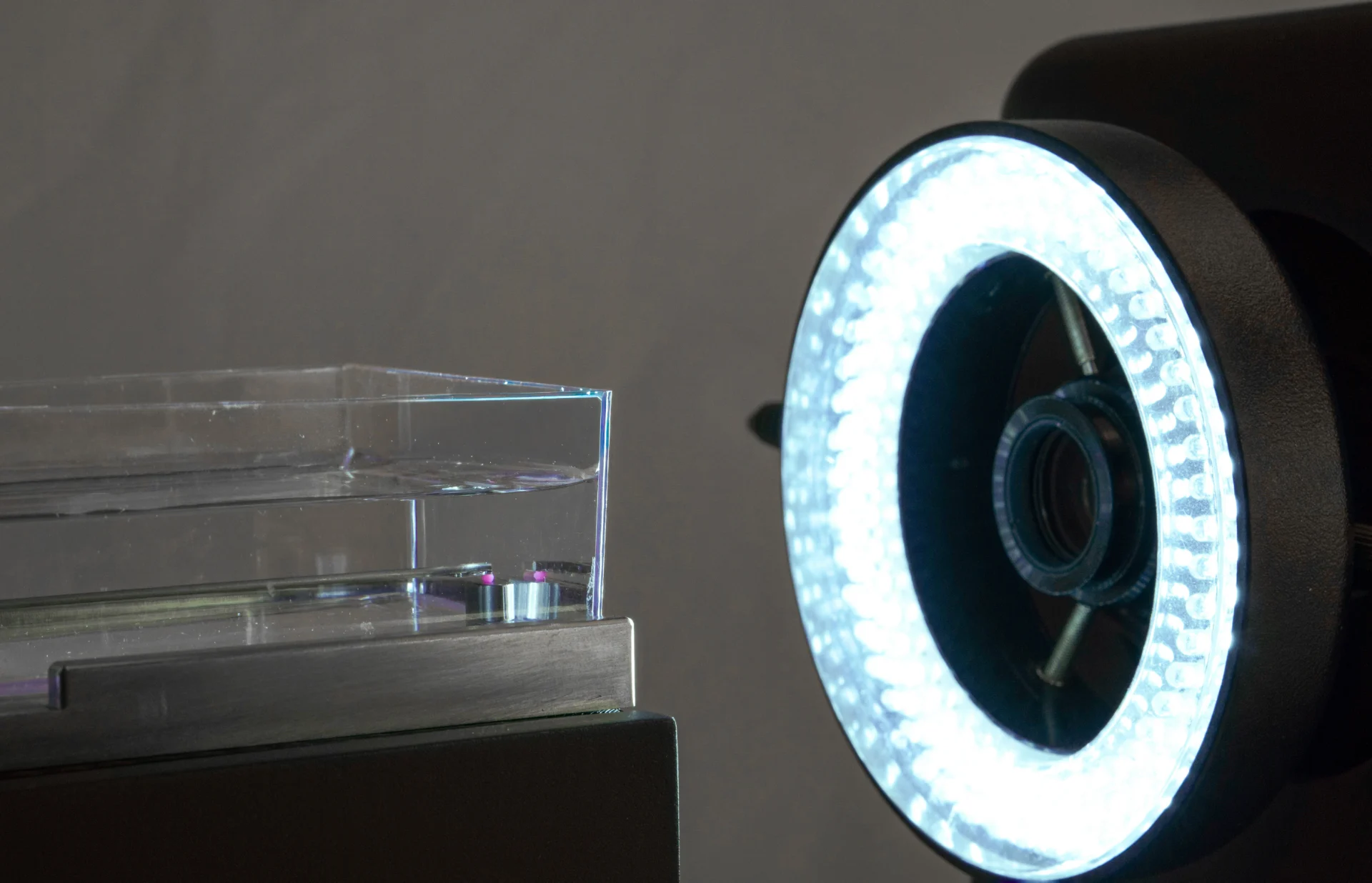
MicroTester
Provides micro indentation, compression, and tensile testing for organoids, small tissue mimetic constructs, and micro-scale engineered tissues.
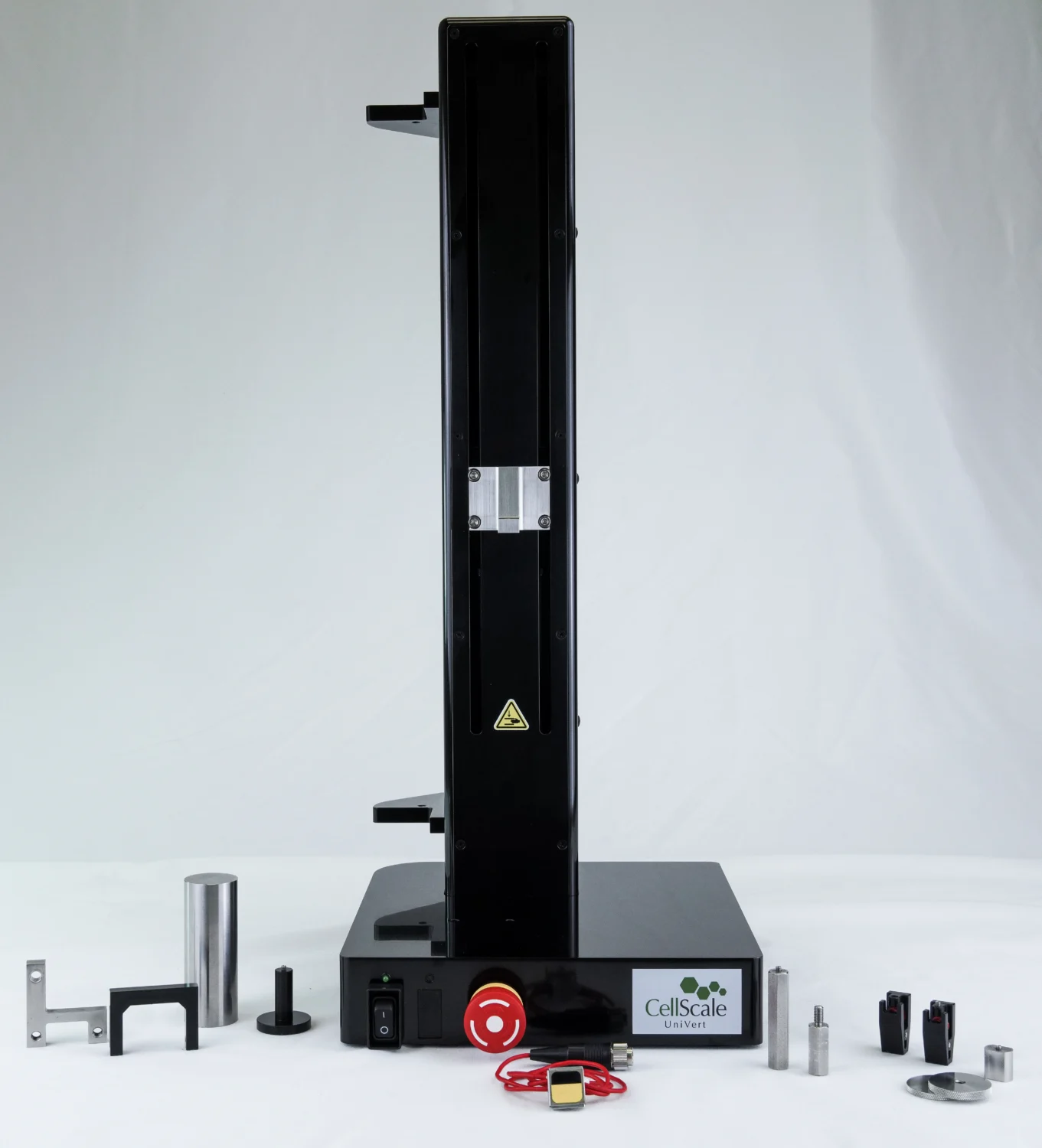
UniVert
Used for larger engineered tissues or stiff mimetic scaffolds requiring controlled tensile or compression testing.
Testing Methods for Organoid and Tissue Mimetic Systems
Ultra Low Force Testing
Quantifies mechanical behaviour under minimal loading
Micro Mechanical Testing
Quantifies deformation and force generation at micro scale
Fibre Testing
Evaluates mechanical behaviour of aligned fibre elements
Tensile Testing
Characterizes engineered tissue strips or membrane constructs
Viscoelastic Testing
Assesses time dependent mechanics during maturation
Representative Sample Types
Organoid systems
- Brain, liver, intestinal, and kidney organoids
- Tumour-derived organoids
- Co-culture organoid systems
- Organoid-laden hydrogel matrices
Tissue mimetic constructs
- Epithelialized membranes
- Stromal epithelial co-culture systems
- Thin tissue analogs and barrier models
- Microfabricated mimic tissues
Hybrid and engineered systems
- Organoid integrated scaffolds
- Patterned microtissue arrays
- Gradient stiffness hydrogel mimetics
Publications in Organoid Mechanobiology and Tissue Mimetic Mechanics

Advance Your Organoid Mechanical Testing and Tissue Mimetic Research
CellScale instruments provide precision mechanical evaluation of tissue mimetic systems, organoid biomechanics, organoid stiffness measurement, and engineered tissue models. Contact our team to select the right testing platform for your study.