

Drug Screening Mechanics
Toxicology and Drug Delivery

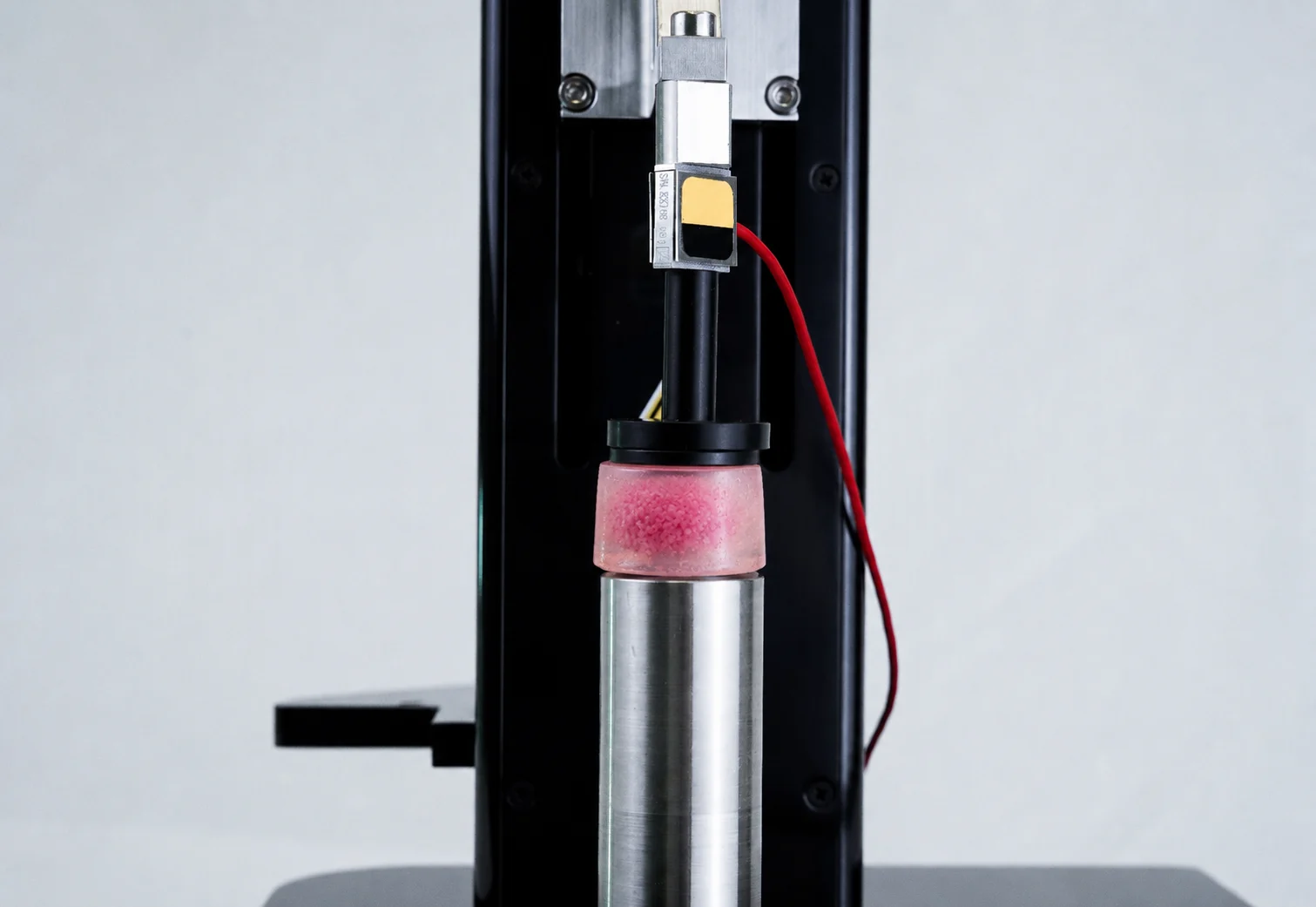
Overview of Drug Screening Mechanics and Drug Delivery
Drug screening and toxicology increasingly rely on in vitro models that replicate not only biochemical signaling, but also the mechanical microenvironment of native tissues. Matrix stiffness, viscoelasticity, and deformation influence drug uptake, transport, cellular sensitivity, and resistance mechanisms.
- Mechanical testing supports research in:
Mechanics-informed drug screening supports more predictive in vitro disease models by enabling quantitative comparison between healthy and diseased mechanical states, as well as between alternative drug delivery formulations.
Mechanical Testing in Drug Screening and Toxicology
Across published drug screening mechanics and toxicology studies, mechanical testing is used to characterize how engineered tissues and biomaterials respond to drug exposure and how mechanical state modulates therapeutic response. Drug delivery systems, including hydrogels, matrices, and barrier tissues, must maintain mechanical integrity while permitting controlled transport and release.
Mechanical characterization enables researchers to:
- Quantify mechanical changes induced by drug treatment or toxicity
- Correlate stiffness and deformation with drug efficacy or resistance
- Evaluate durability of drug-loaded biomaterials under physiologic loading
- Compare alternative delivery matrices quantitatively
- Assess mechanical failure or softening associated with cytotoxic effects
- Validate disease models used for drug screening
- Improve reproducibility across in vitro testing platforms
By integrating mechanical measurements, drug screening workflows gain additional predictive power beyond biochemical endpoints alone.
Recommended CellScale Instruments for Drug Screening Mechanics
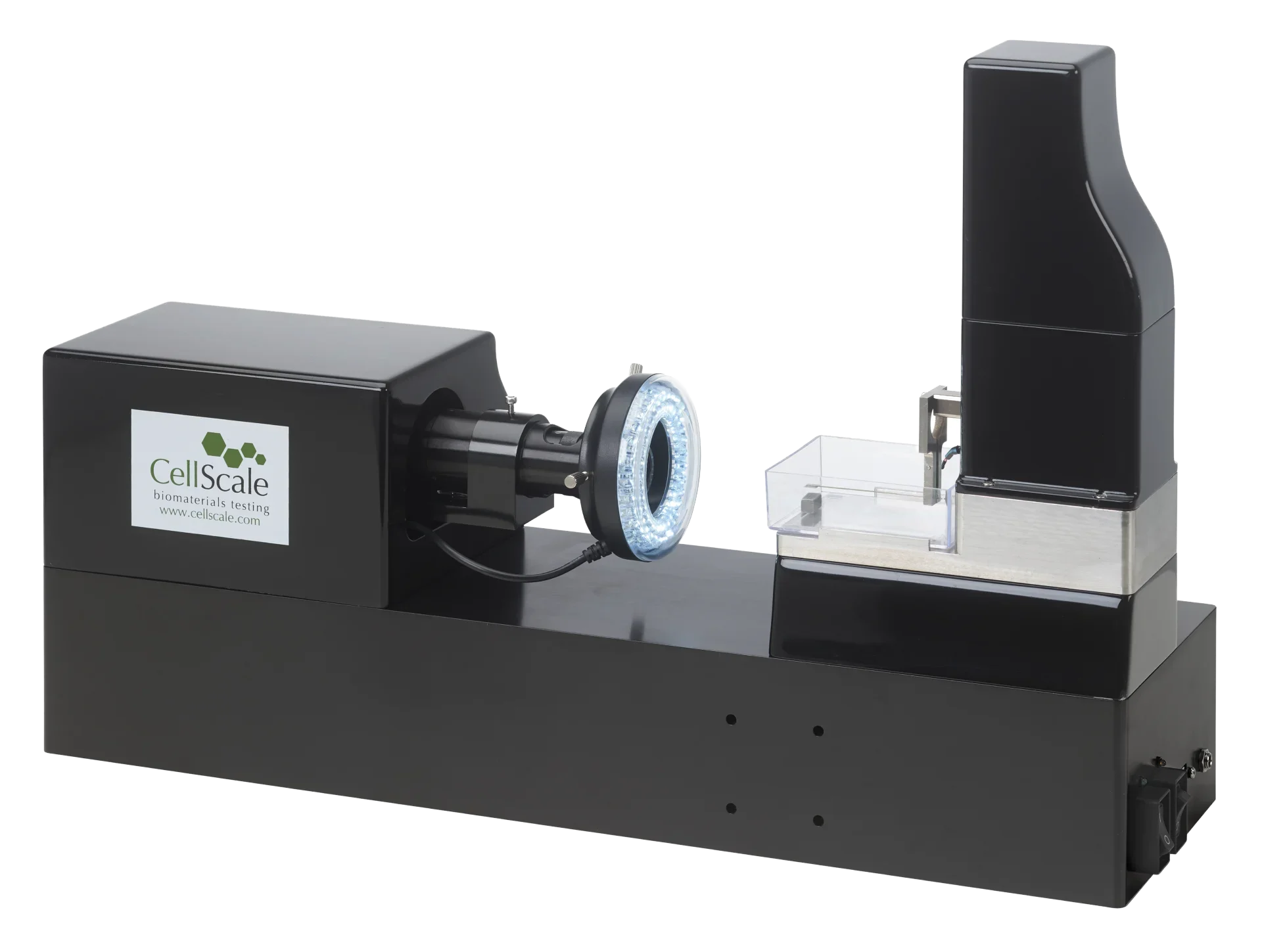
MicroTester
Ideal for micro-mechanical testing, indentation, and compression of drug-treated microtissues, hydrogels, and in vitro disease models.
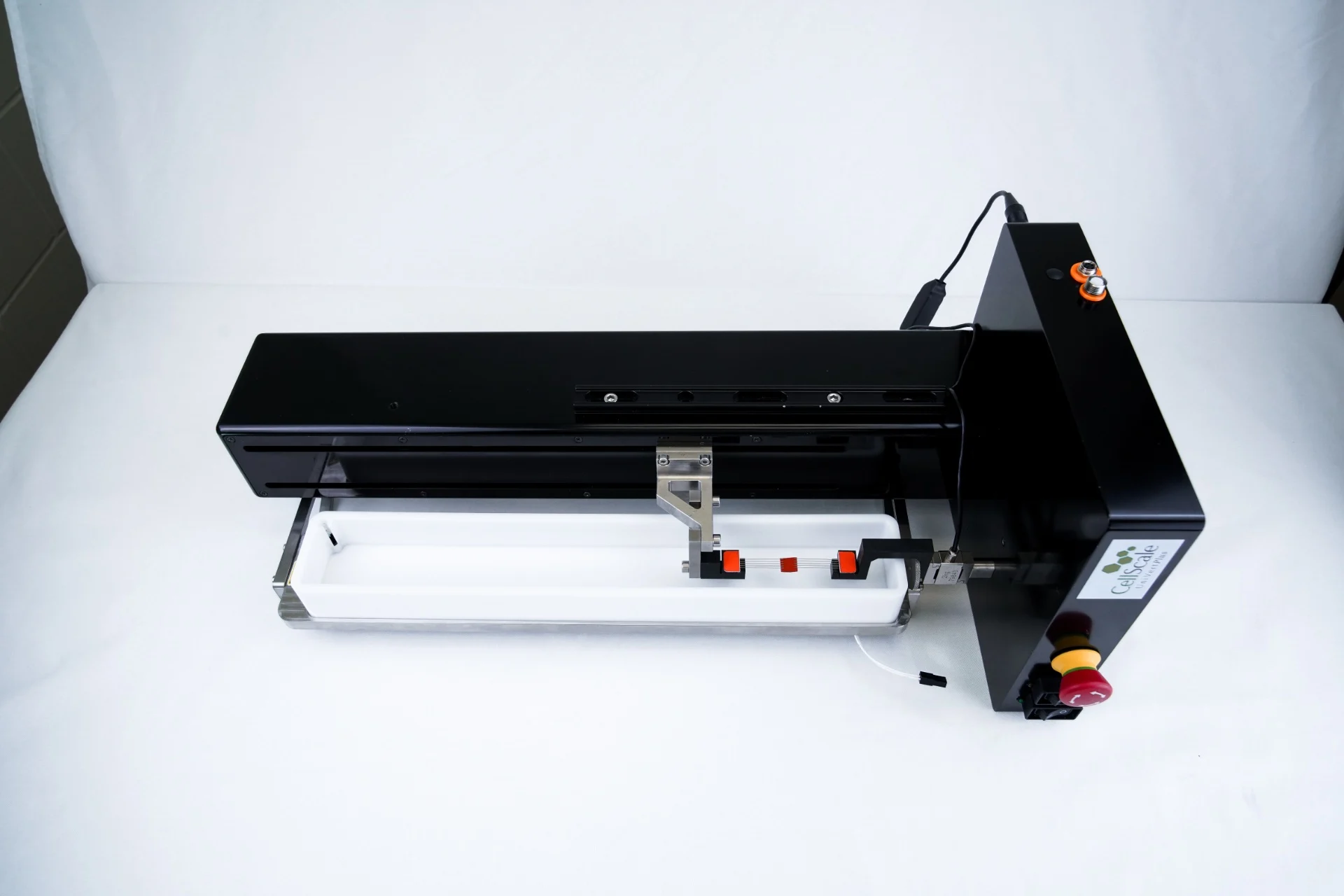
UniVert
Used for tensile and compression testing of drug delivery matrices, scaffolds, and larger engineered tissues before and after drug exposure.
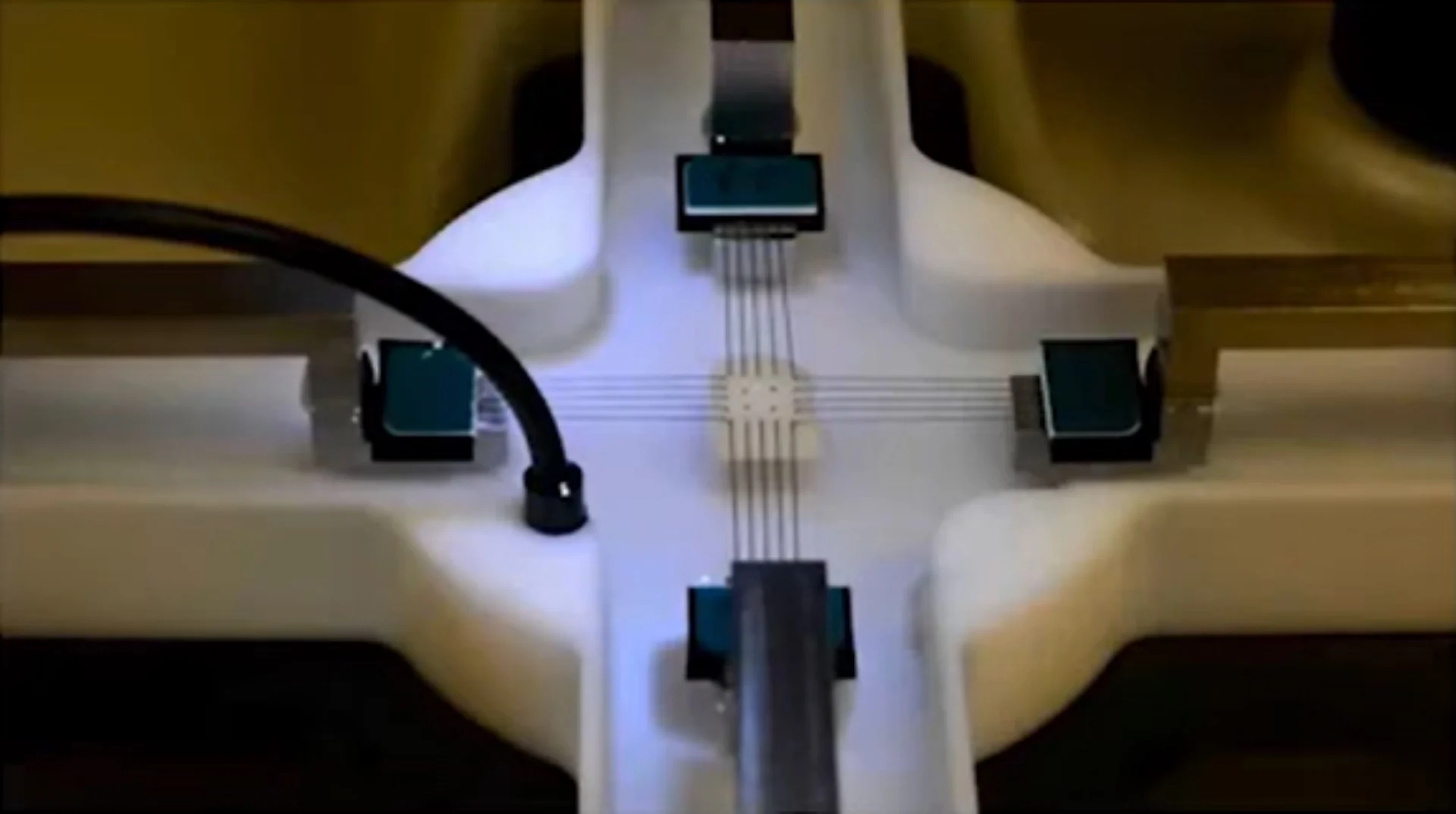
BioTester
Supports biaxial testing of planar tissues and membranes used in barrier models relevant to transport and toxicity studies.
Testing Methods for Drug Screening and Drug Delivery
Micro Mechanical Testing
Measures force and deformation in drug-treated microtissues
Compression Testing
Evaluates bulk mechanical response of delivery matrices
Tensile Testing
Characterizes integrity and failure behaviour of drug-loaded scaffolds
Stress Relaxation Testing
Evaluates load dissipation and viscoelastic response
Hydrated & Temperature-Controlled Testing
Preserves physiologic conditions critical for drug response
Representative Sample Types in Drug Screening Mechanics
In vitro drug screening models
- Microtissues and spheroids
- Organoid and organ-on-a-chip constructs
- Disease-specific engineered tissues
Drug delivery materials
- Drug-loaded hydrogels
- Polymeric release matrices
- Composite delivery scaffolds
Barrier and transport models
- Epithelial and endothelial layers
- Membrane-based transport systems
- Mechanically-conditioned delivery interfaces
Toxicology and degradation models
- Drug-induced tissue softening models
- Mechanically compromised delivery systems
- Cytotoxicity-associated failure studies
Recent Publications in Toxicology and Drug Screening Mechanics

Advance Your Drug Screening and Drug Delivery Mechanics Research
CellScale systems support mechanics-informed drug screening, toxicology studies, and drug delivery research requiring precise force control and physiologic testing conditions. Contact our team to identify the right testing platform for your in vitro drug response workflow.