

Organ-on-a-Chip
and Microphysiological Systems Mechanics

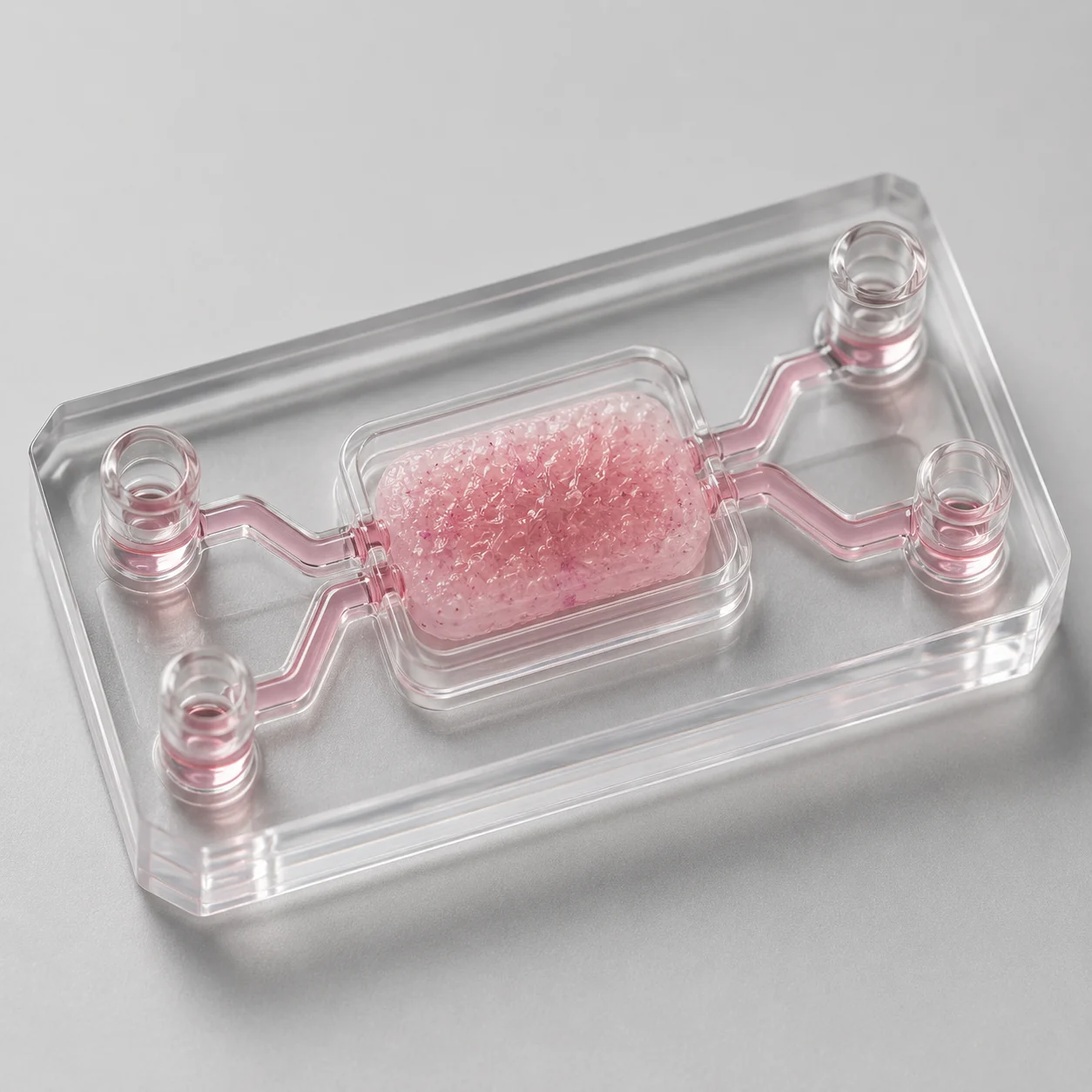
Overview of Organ-on-a-Chip and Microphysiological Systems
Organ-on-a-chip and microphysiological systems are engineered in vitro platforms designed to recapitulate tissue-level structure, mechanics, and function within controlled microenvironments. These systems integrate cells, biomaterials, and microfluidic architectures to model organ-specific behaviour under physiologically relevant mechanical conditions.
- Mechanical testing supports research in:
Mechanical characterization supports validation of organ-chip models by enabling direct comparison to native tissue mechanics and by ensuring reproducibility across devices, materials, and experimental conditions.

Importance of Mechanical Testing in Organ-on-a-Chip Research
Across published microphysiological systems research, mechanical testing is used to quantify how stiffness, confinement, and deformation influence cellular organization, barrier integrity, and functional response. Many organ-on-a-chip models incorporate soft hydrogels, thin membranes, or microtissues whose mechanical properties evolve during culture, disease progression, or drug exposure.
Mechanical testing enables researchers to:
- Validate that engineered microenvironments match target tissue mechanics
- Quantify mechanical changes during disease modeling or drug exposure
- Assess reproducibility across devices, materials, and fabrication batches
- Study mechanotransduction responses under controlled microscale loading
- Characterize barrier integrity and deformation under applied stress
- Compare alternative biomaterials and chip designs quantitatively
- Link mechanical cues to functional readouts such as permeability or contractility
Accurate mechanical characterization strengthens confidence in organ-chip platforms as predictive in vitro models.
Recommended CellScale Instruments for Organ-on-a-Chip Mechanical Testing
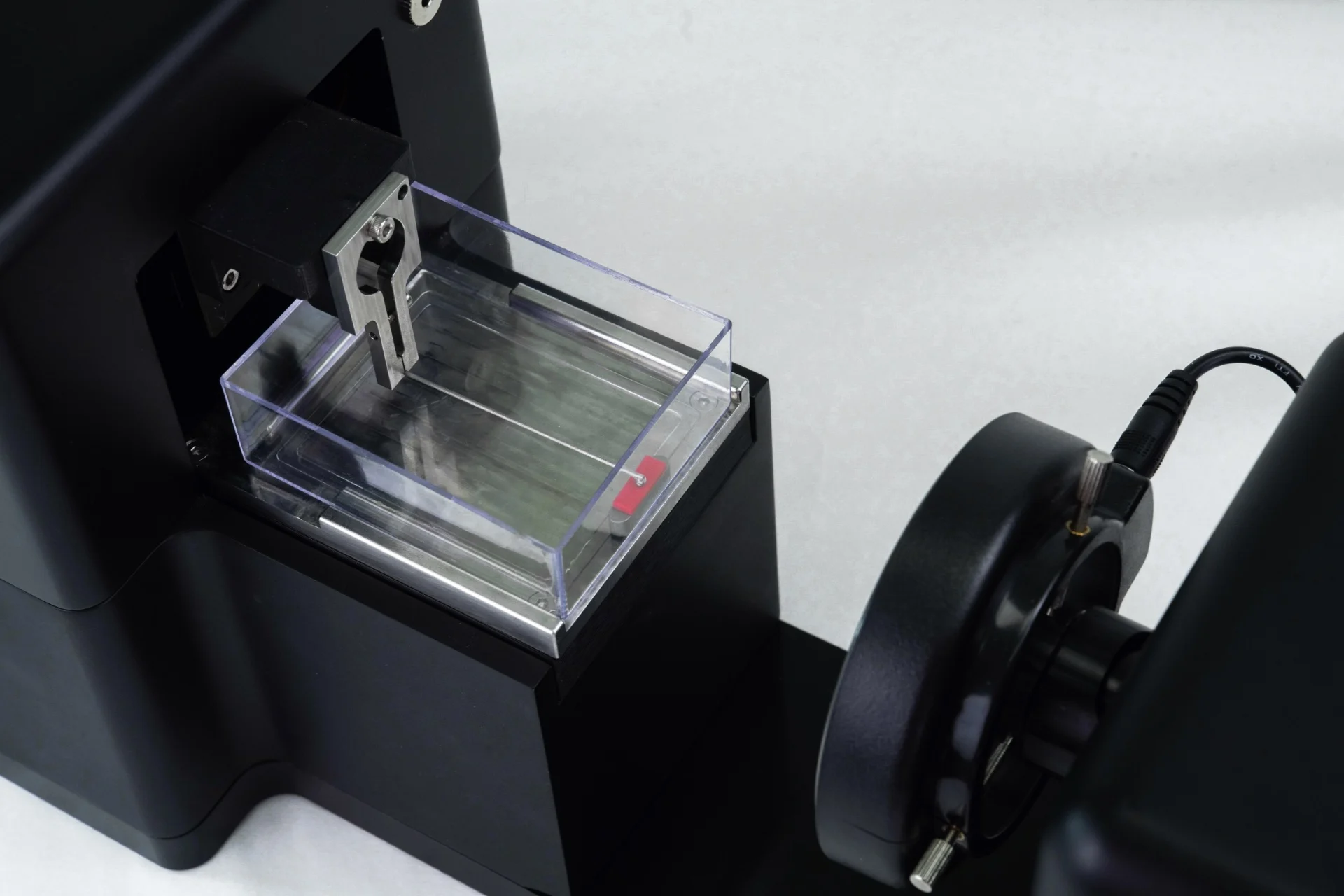
MicroTester
Ideal for micro-mechanical testing, indentation, and compression of small tissue constructs and hydrogel regions within organ-on-a-chip devices.
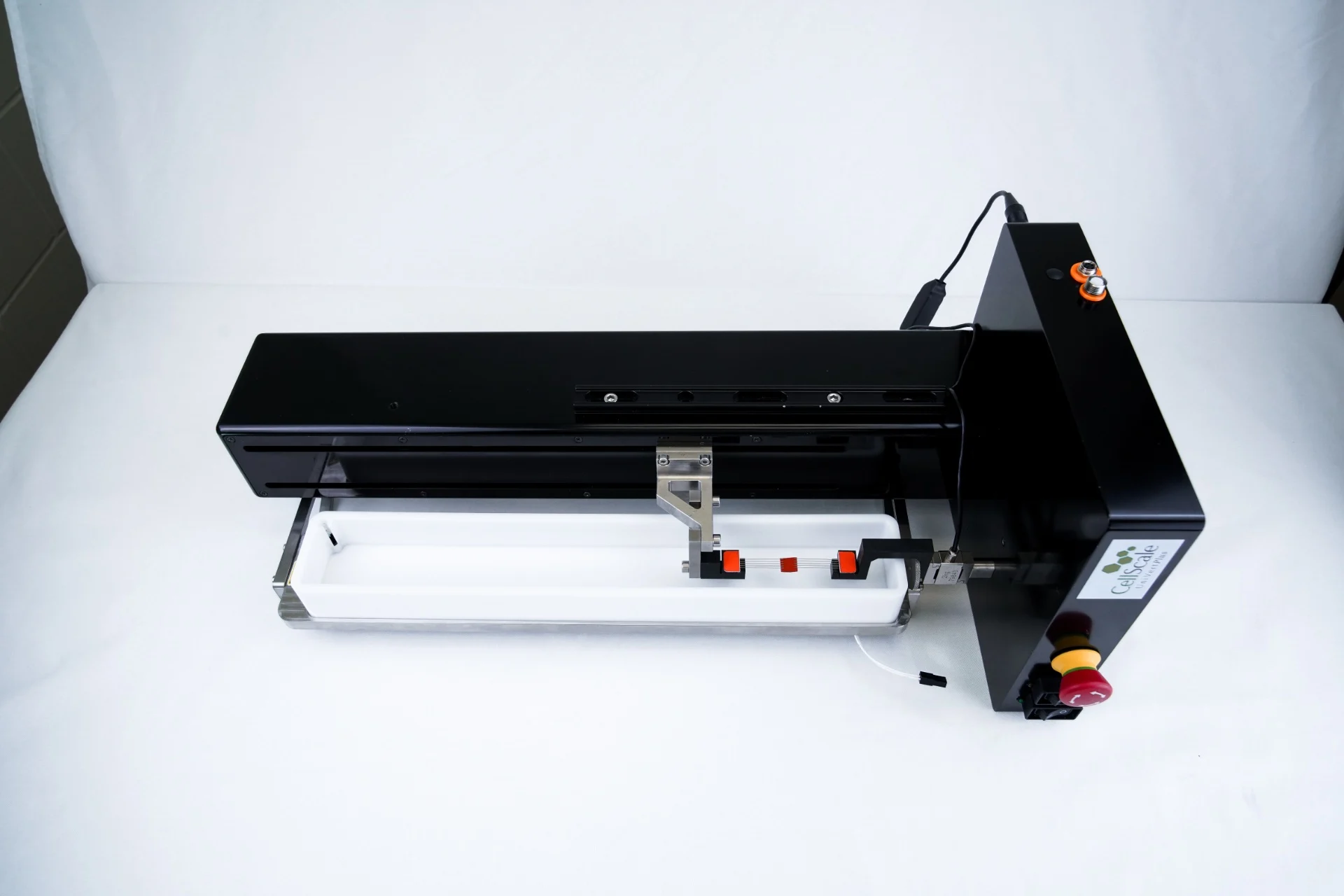
UniVert
Used for tensile and compression testing of chip membranes, hydrogel formulations, and larger microphysiological constructs prior to device integration.
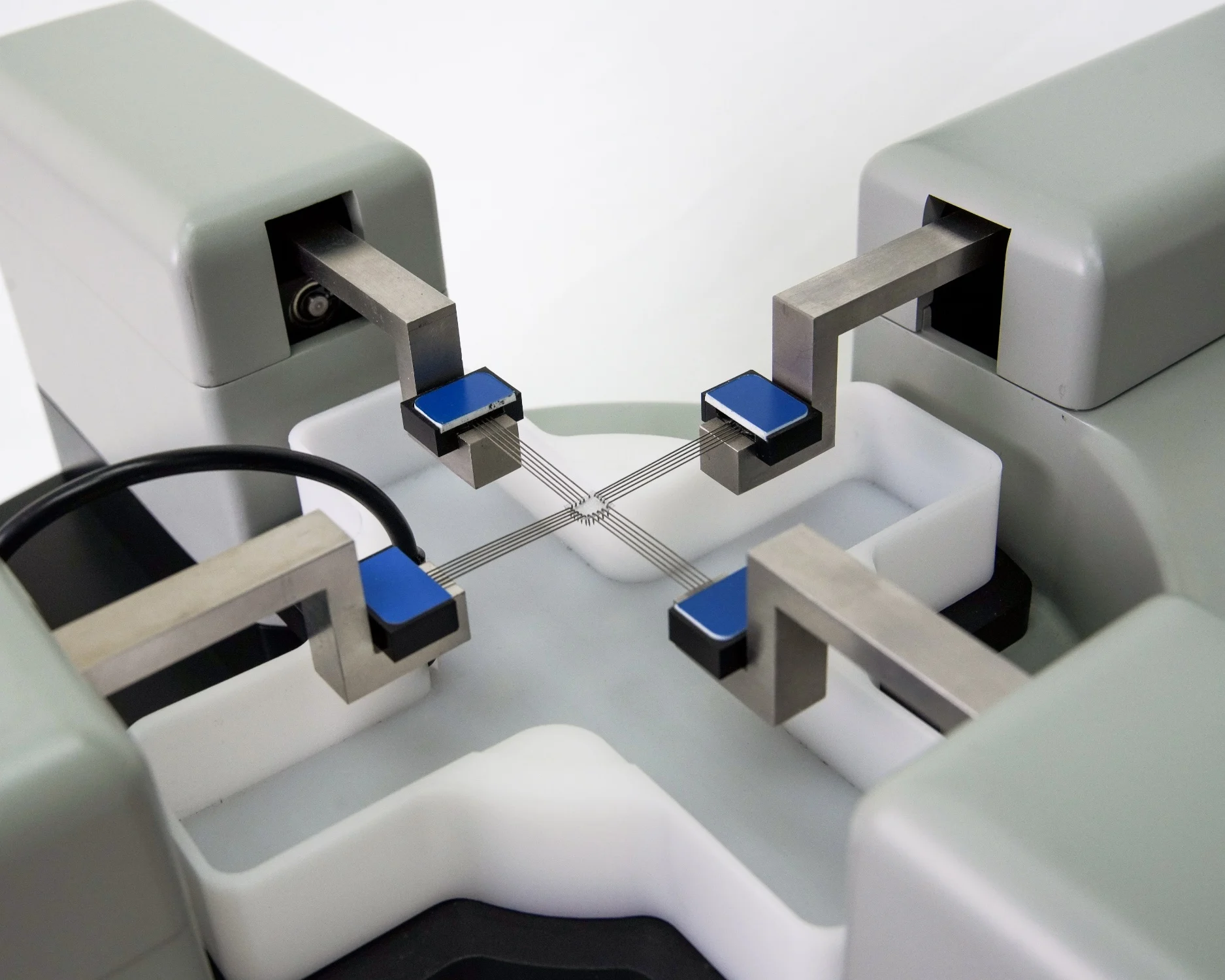
BioTester
Supports biaxial testing of thin membranes and planar tissue constructs used in barrier-based organ-chip designs.
Testing Methods for Organ-on-a-Chip and Microphysiological Systems
Micro Mechanical Testing
Measures force and deformation in micro-scale tissue constructs
Pressure Testing
Characterizes mechanical response of lumenized microphysiological systems under internal pressurization
Tensile Testing
Characterizes membrane and scaffold mechanics used in organ-chip platforms
Stress Relaxation Testing
Measures time-dependent stress dissipation in viscoelastic materials under constant deformation
Hydrated & Temperature-Controlled Testing
Preserves physiologic conditions critical for in vitro tissue models
Representative Sample Types in Organ-on-a-Chip Research
Microphysiological tissue constructs
- Cell-laden hydrogels integrated into microfluidic devices
- Barrier tissues formed on flexible membranes
- Organ-specific microtissues and spheroids
Chip components and materials
- Elastomeric membranes and thin films
- Hydrogel matrices and ECM-based scaffolds
- Microfabricated polymer structures
Disease and drug testing models
- In vitro disease models incorporating mechanical cues
- Drug-exposed organ-chip tissues
- Mechanically conditioned microphysiological systems
Selected Publications in Organ-on-a-Chip and Microphysiological Systems

Advance Your Organ-on-a-Chip Research
CellScale systems support mechanical testing of organ-on-a-chip platforms and microphysiological systems requiring sensitive force measurement and physiologic testing conditions. Contact our team to identify the optimal configuration for your in vitro tissue mechanics research.