Researchers at the IROC Institute in Zurich study the biomechanics of the cornea to better understand and treat keratoconus, a disease characterized by progressive corneal weakening.
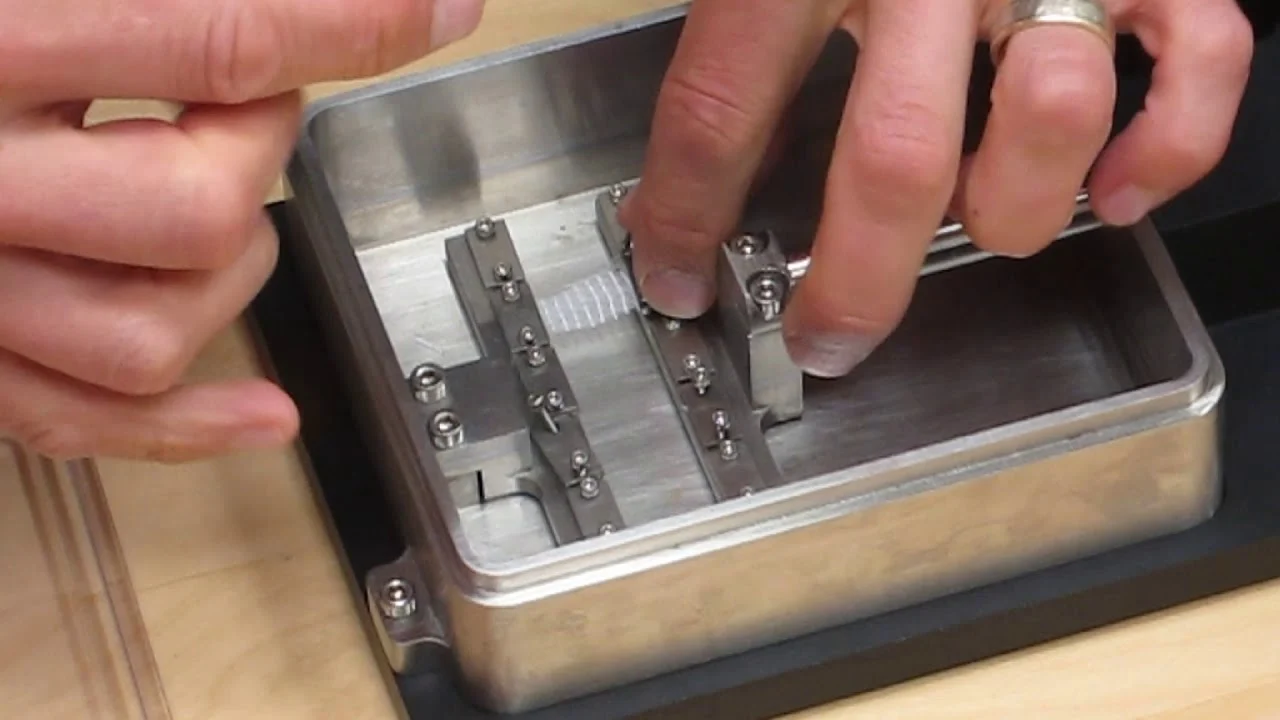
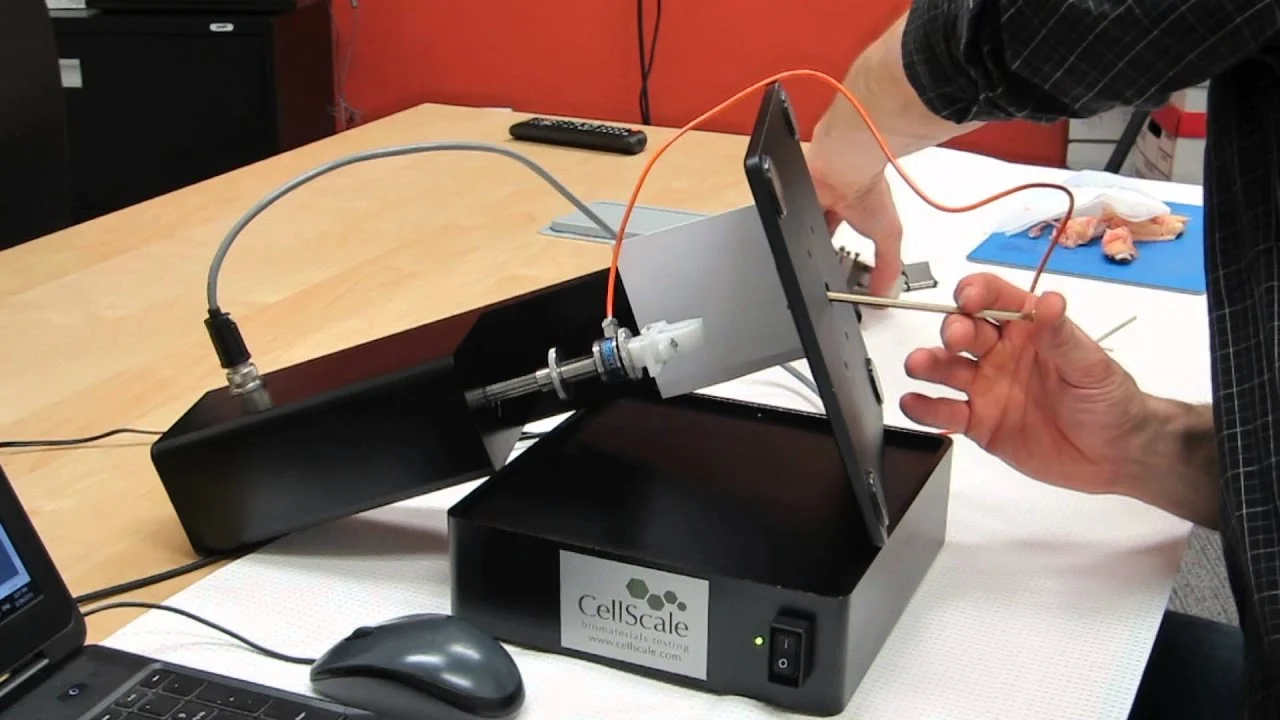
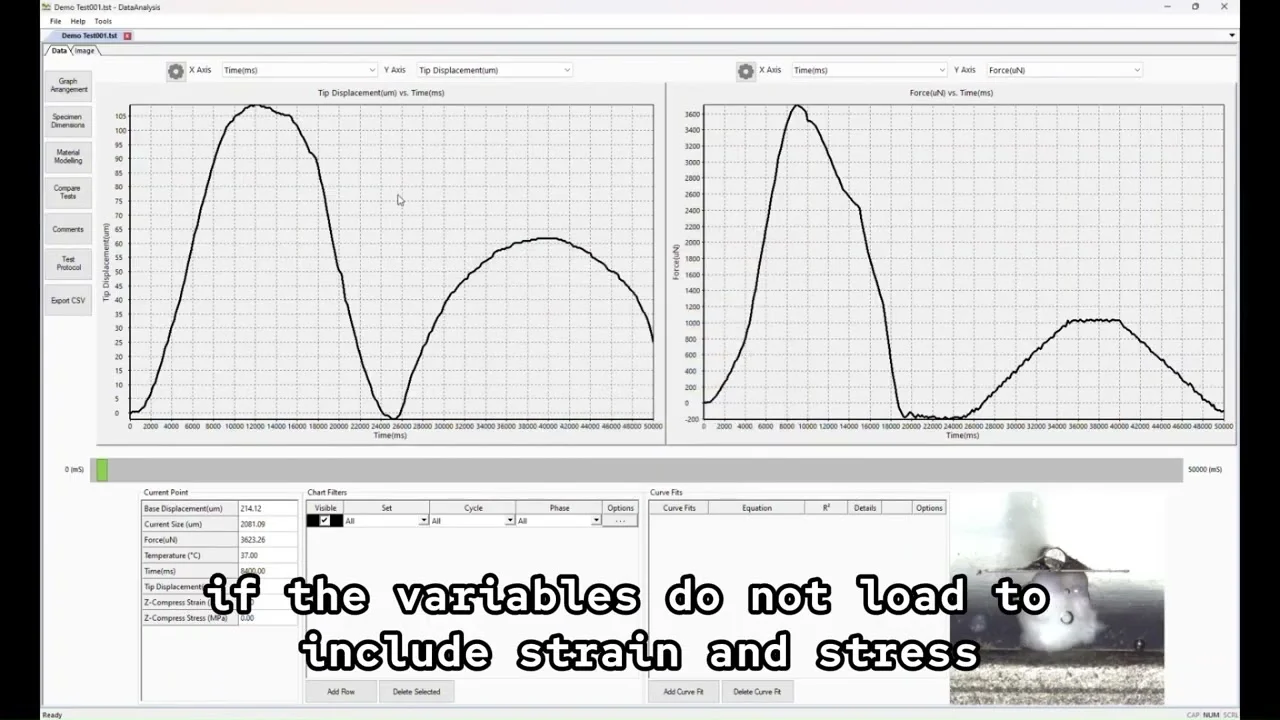
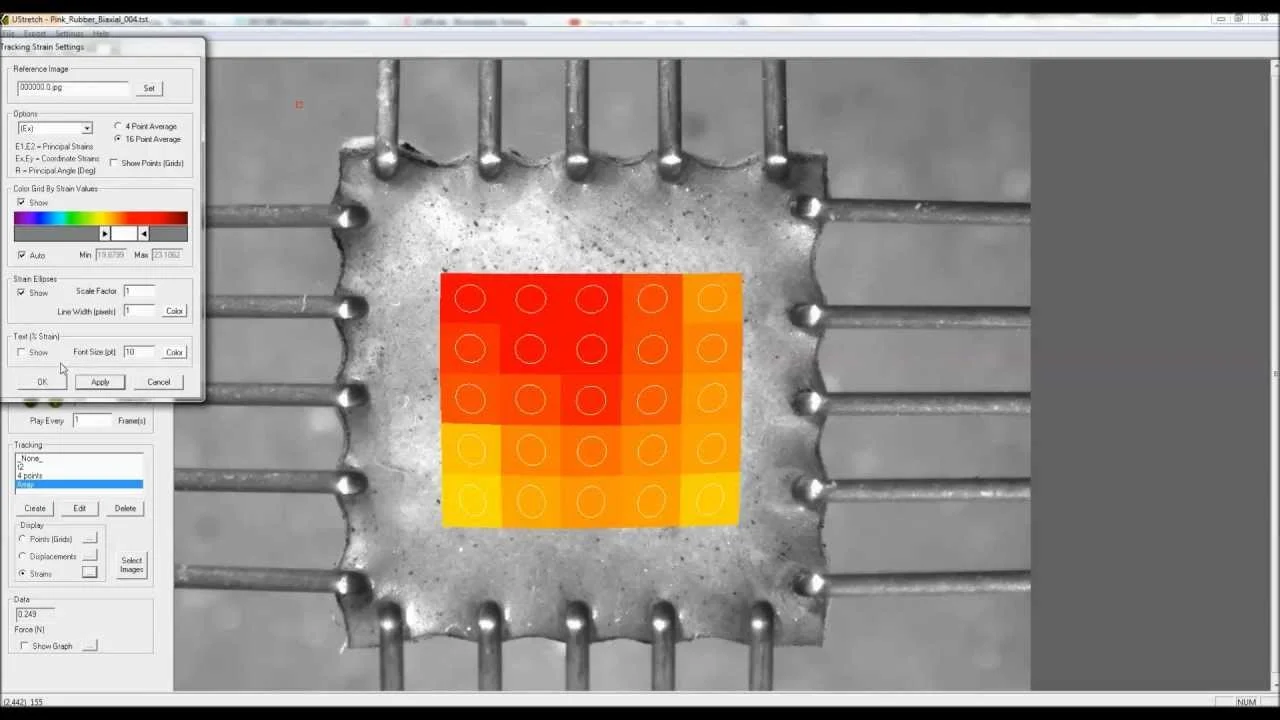
In this interview, Dr. Theo Seiler explains how mechanical testing is used to quantify corneal stiffening following riboflavin and UV crosslinking treatments. Using ex vivo porcine corneal tissue, stress–strain measurements are performed under physiologically relevant preload conditions to detect subtle differences in stiffness between treated and untreated samples.
This work demonstrates how precise mechanical testing supports the development and optimization of corneal crosslinking therapies in ophthalmology.
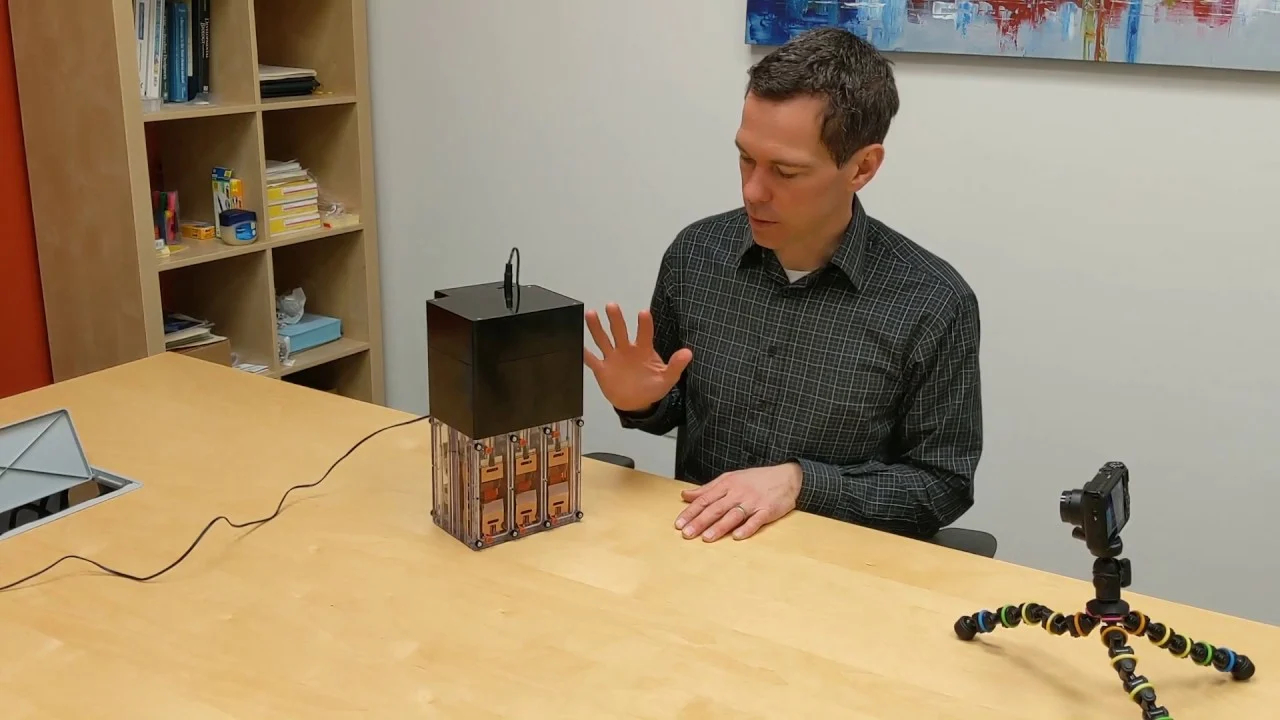
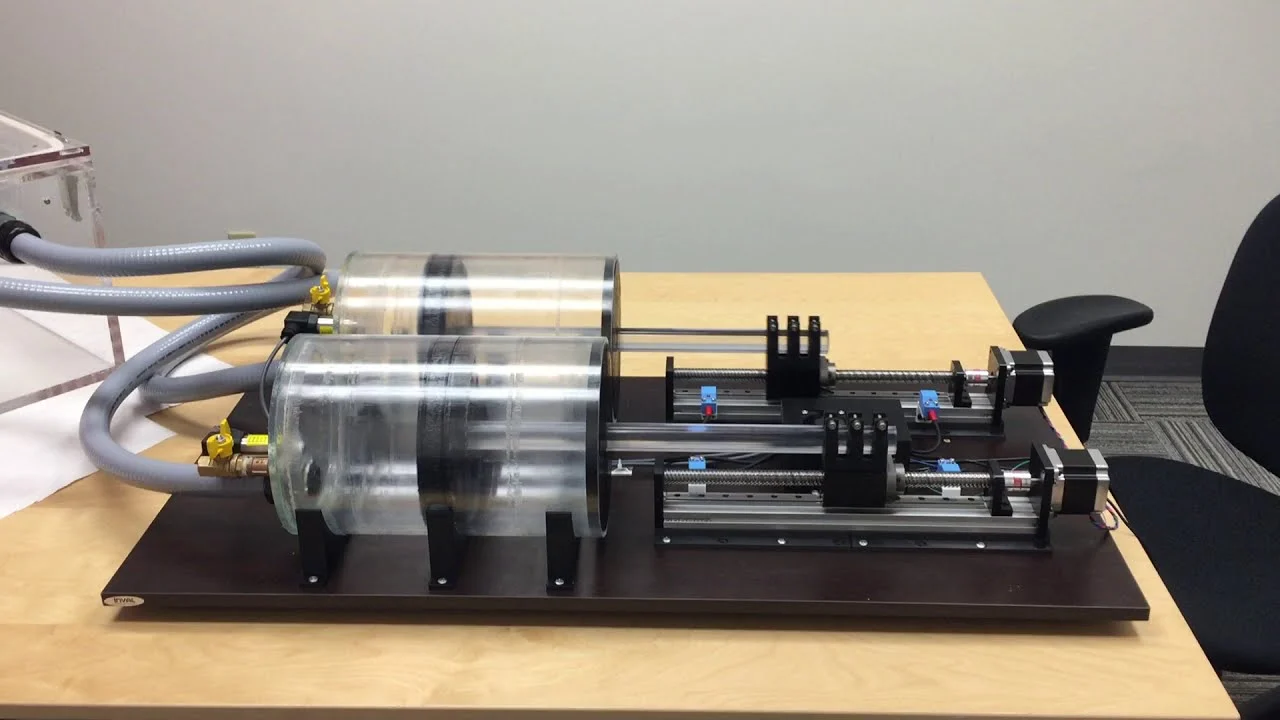
Diseases such as asthma, emphysema, and COVID-19 alter pulmonary volume, viscoelasticity, and airflow distribution. To accurately measure lung volume during inflation and deflation, lungs were placed in a sealed chamber where changes in displaced volume were used to quantify lung expansion while maintaining atmospheric pressure.
The system was designed at two vastly different scales to accommodate both mouse and pig lungs, addressing challenges related to volume range and high flow rates. This work demonstrates CellScale’s ability to design and build custom mechanical testing solutions tailored to complex biomedical research applications.