Heart Valve Mechanical Testing and Predictive Modeling | Prof. Chung-Hao Lee

Research Highlights & Case Studies
Quick Overview:
Biaxial mechanical testing and computational modeling of heart valve tissues to support predictive surgical planning.
A tensile test divider icon

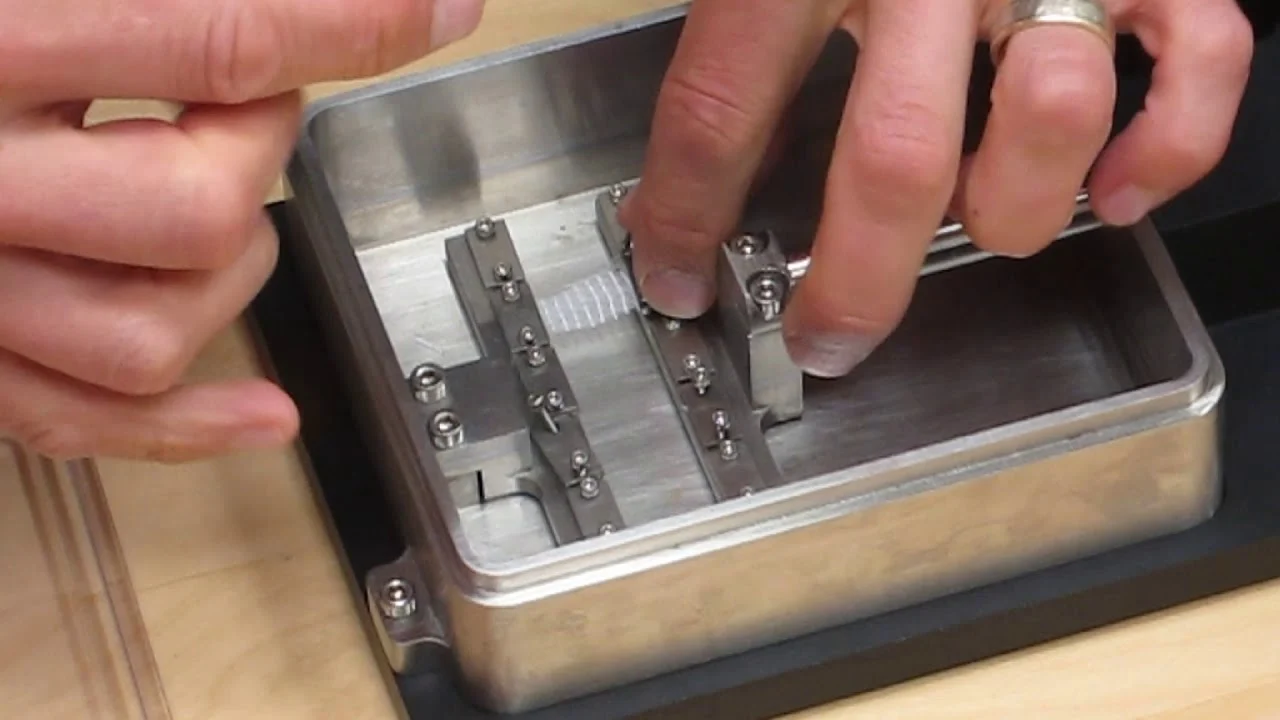
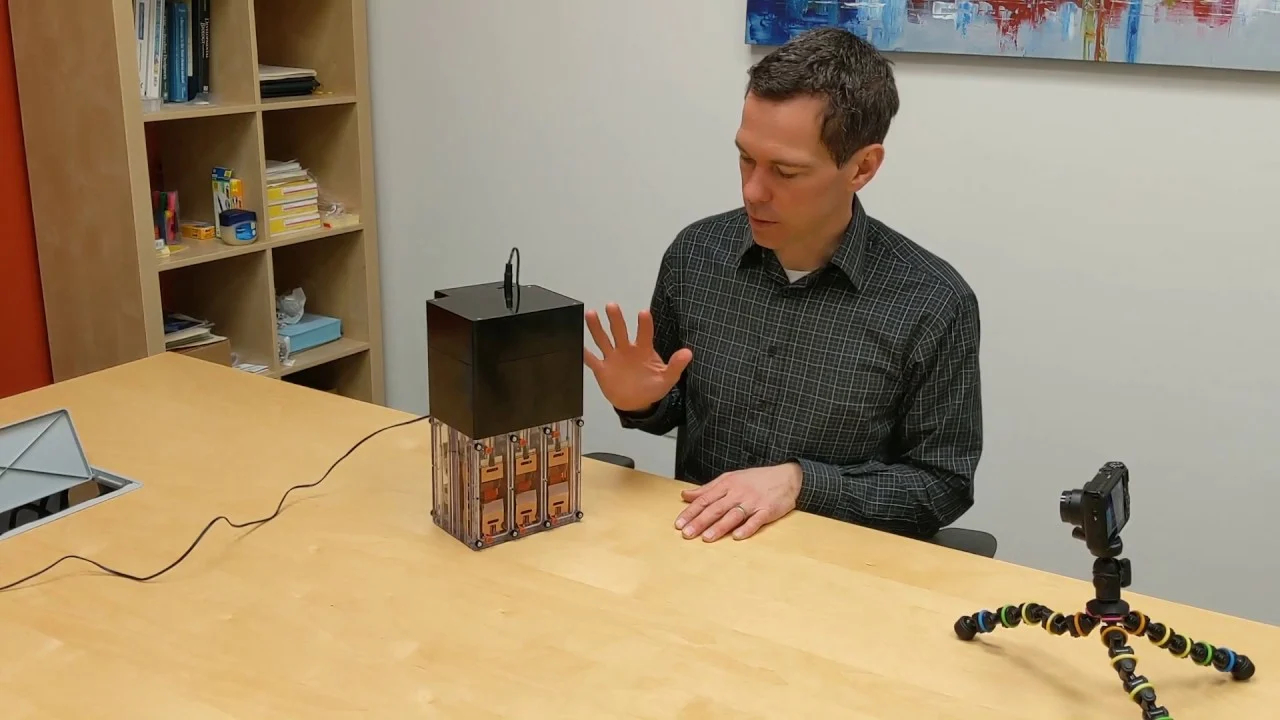
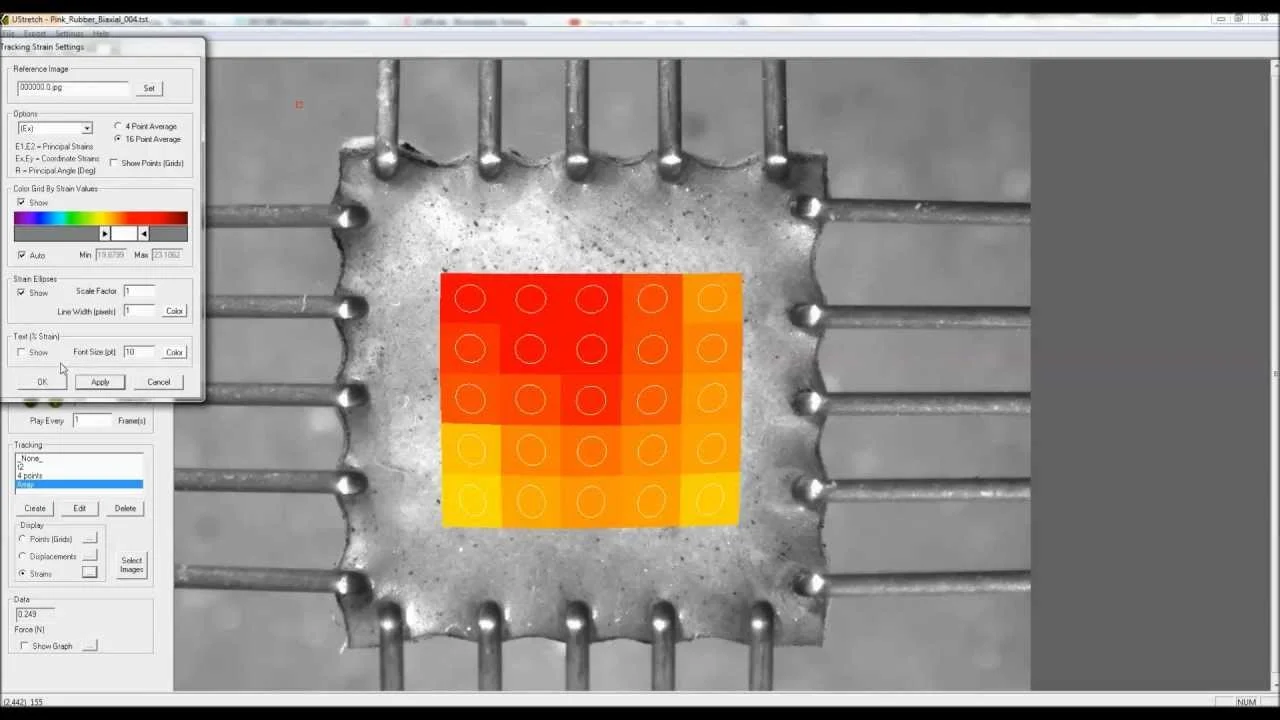
Prof. Chung-Hao Lee discusses his research on heart valve biomechanics at the University of Oklahoma, combining biaxial mechanical testing with advanced computational modeling to improve surgical planning and patient outcomes.

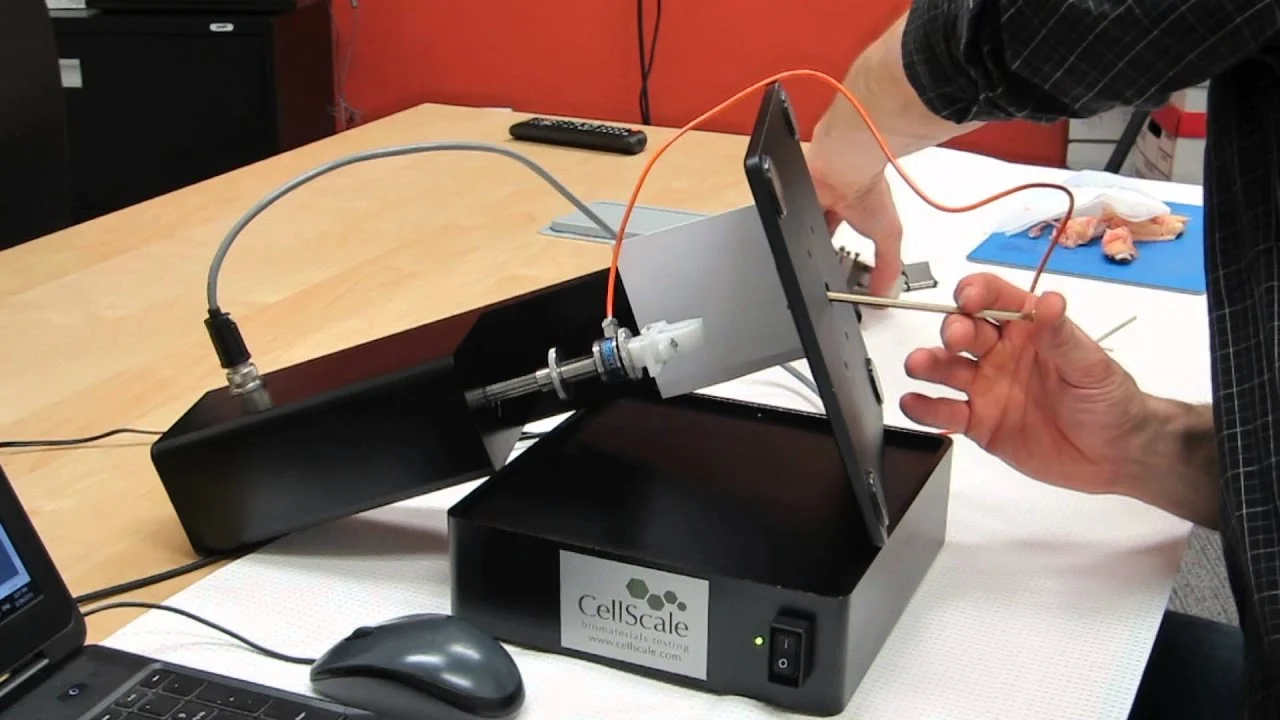
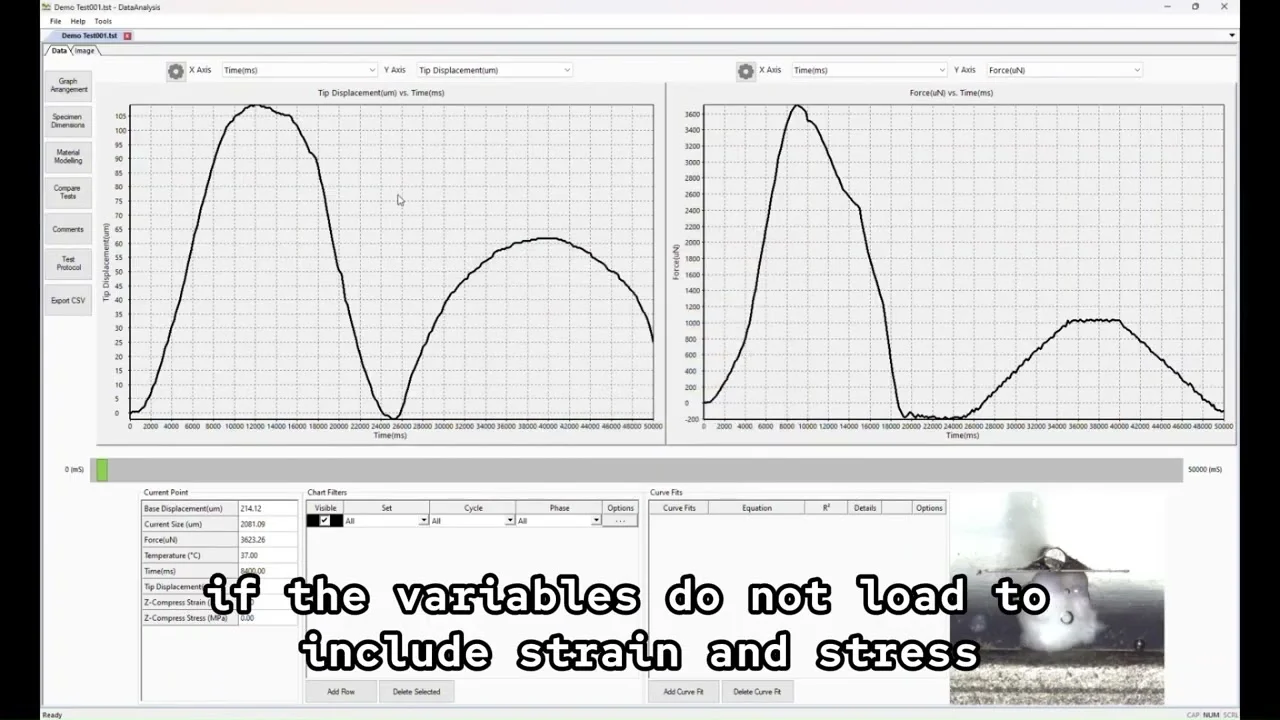
Using the CellScale BioTester, his lab characterizes the anisotropic mechanical properties of atrioventricular heart valves and integrates these data into finite element and isogeometric models. The long-term goal of this work is to develop predictive tools that help surgeons determine optimal treatment strategies and surgical timing.

This interview also highlights the advantages of using a robust commercial biaxial testing system compared to building and maintaining custom in-house equipment.


Related Videos:

MechanoCulture T6 Uniaxial Mechanical Stimulation Demonstration

MechanoCulture J1 Mechanical Stimulation System Introduction

Biomaterials Mechanical Testing for the Classroom Using the UniVert

Stress Strain Curve Data Analysis

Mechanical Testing Data Review and Analysis Software Demonstration

Mechanical Test Data Analysis and Strain Measurement Software Overview

Real-Time Image-Based Strain Control for Mechanical Testing

Biaxial Image-Based Strain Tracking

Image Tracking and Strain Analysis Software Demonstration

Custom Pressure–Volume Control System for Lung Mechanics Testing

Contact Sales

Product of Interest:
CellScale hexagon shapes