Biaxial Mechanical Testing of Cardiac Tissue | University of Denver

Research Highlights & Case Studies
Quick Overview:
Biaxial mechanical testing of cardiac tissue to quantify regional stiffness differences and support constitutive modeling of heart mechanics.

Researchers in the Cardiac Biomechanics Laboratory at the University of Denver study the mechanical properties of heart tissue to better understand cardiovascular physiology and disease.

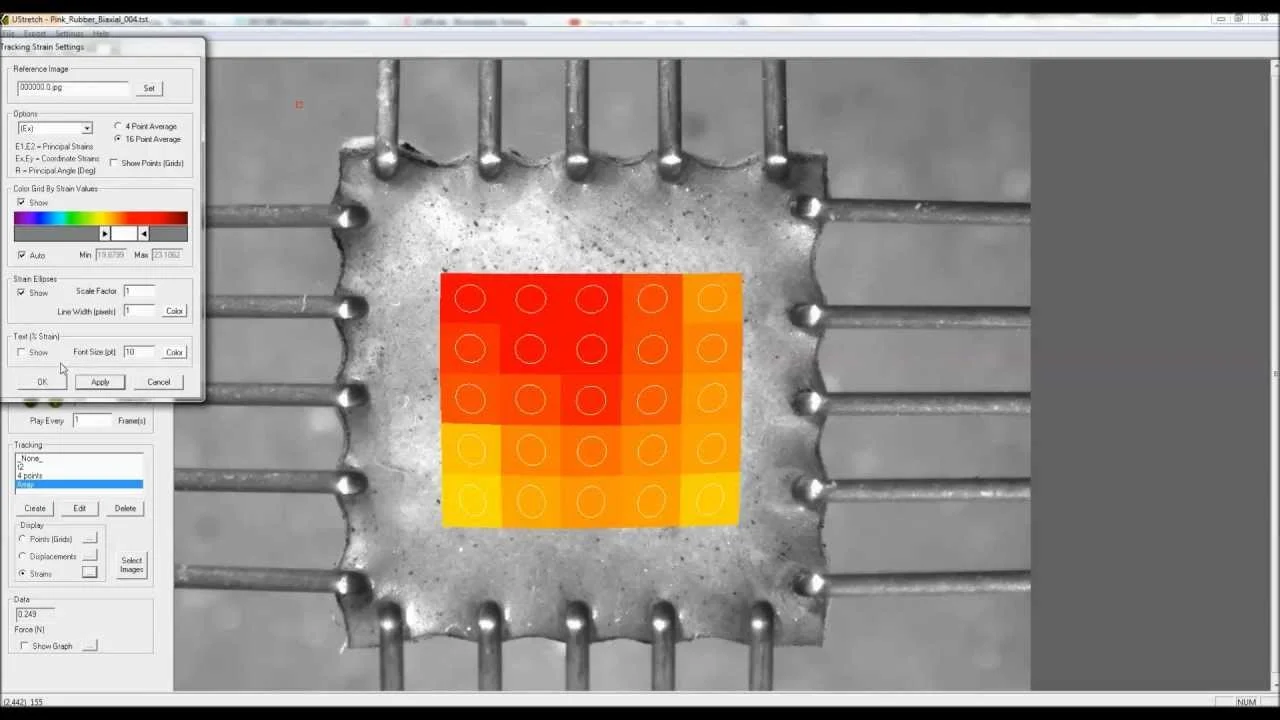
In this interview, Shahnaz Javani from the lab of Prof. Ali Azadani describes how biaxial mechanical testing is used to quantify regional differences in cardiac muscle stiffness. Square specimens excised from different anatomical regions of ovine hearts are subjected to equibiaxial stretch under physiological conditions, with stress–strain data fitted to Fung-type constitutive models and incorporated into finite element simulations.

This work demonstrates how biaxial testing supports constitutive modeling and regional characterization of soft biological tissues.


Related Videos:

MechanoCulture T6 Uniaxial Mechanical Stimulation Demonstration

MechanoCulture J1 Mechanical Stimulation System Introduction

Biomaterials Mechanical Testing for the Classroom Using the UniVert

Stress Strain Curve Data Analysis

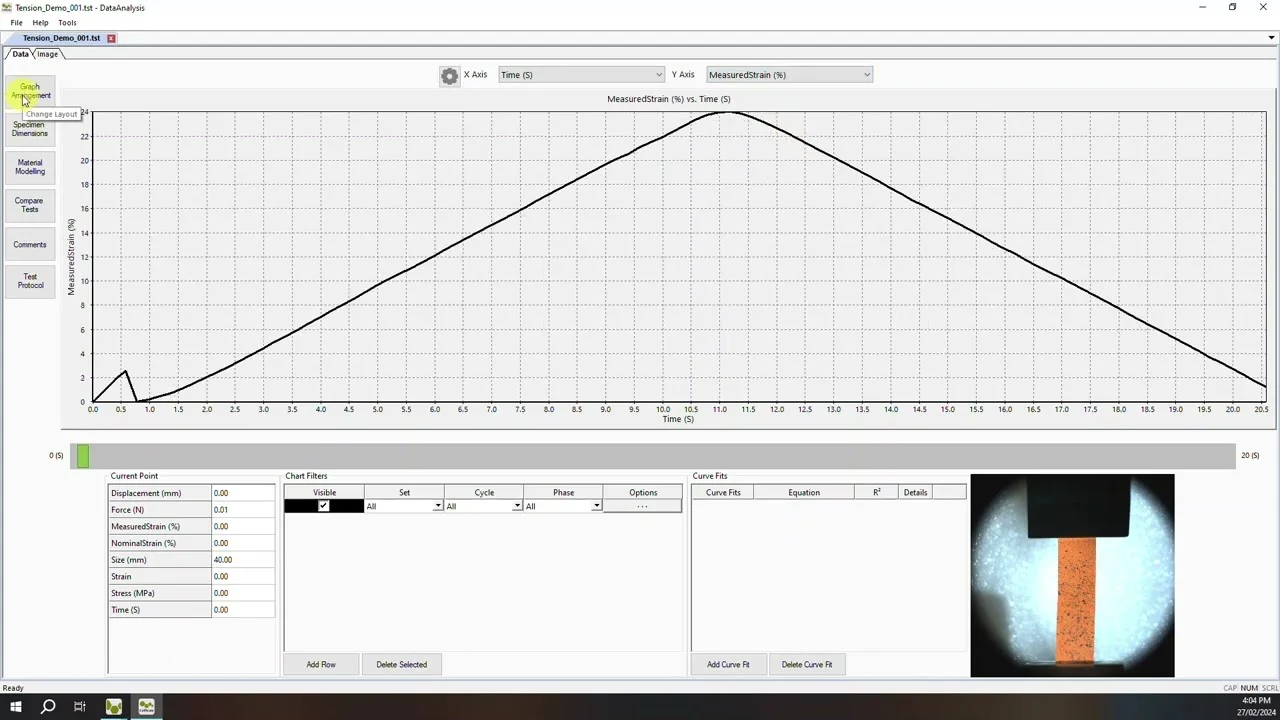
Mechanical Testing Data Review and Analysis Software Demonstration

Mechanical Test Data Analysis and Strain Measurement Software Overview

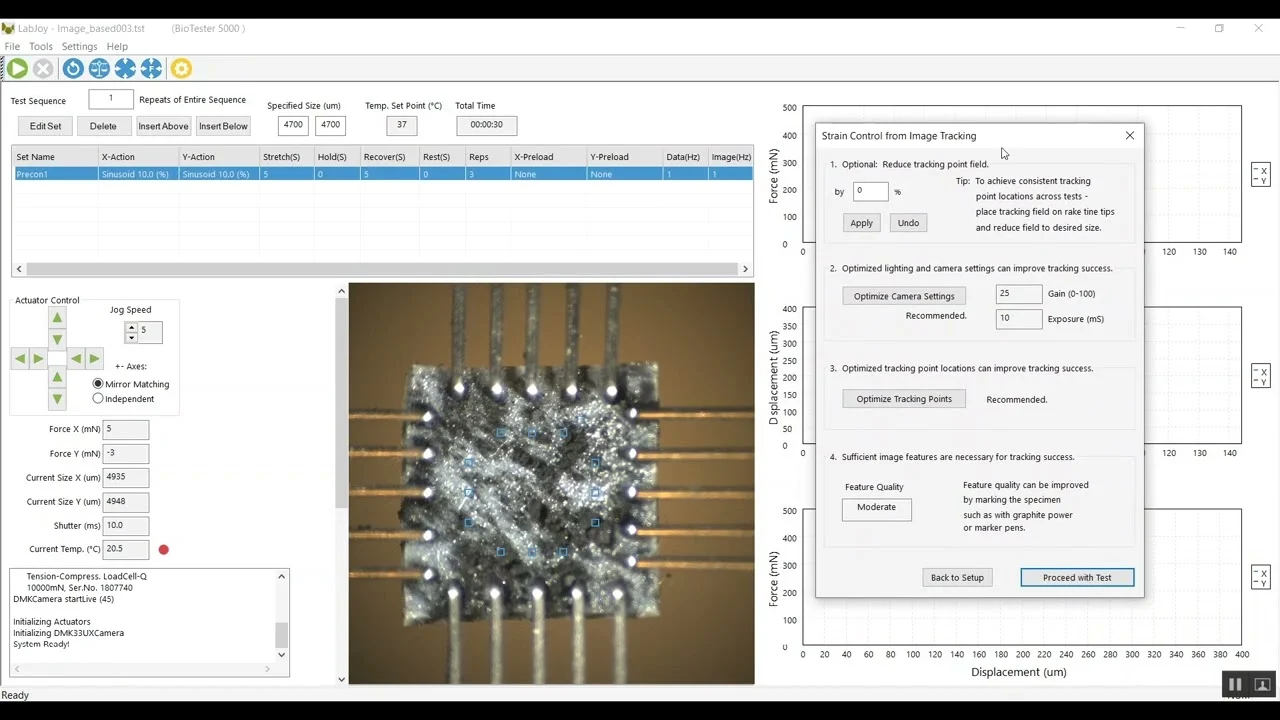
Real-Time Image-Based Strain Control for Mechanical Testing

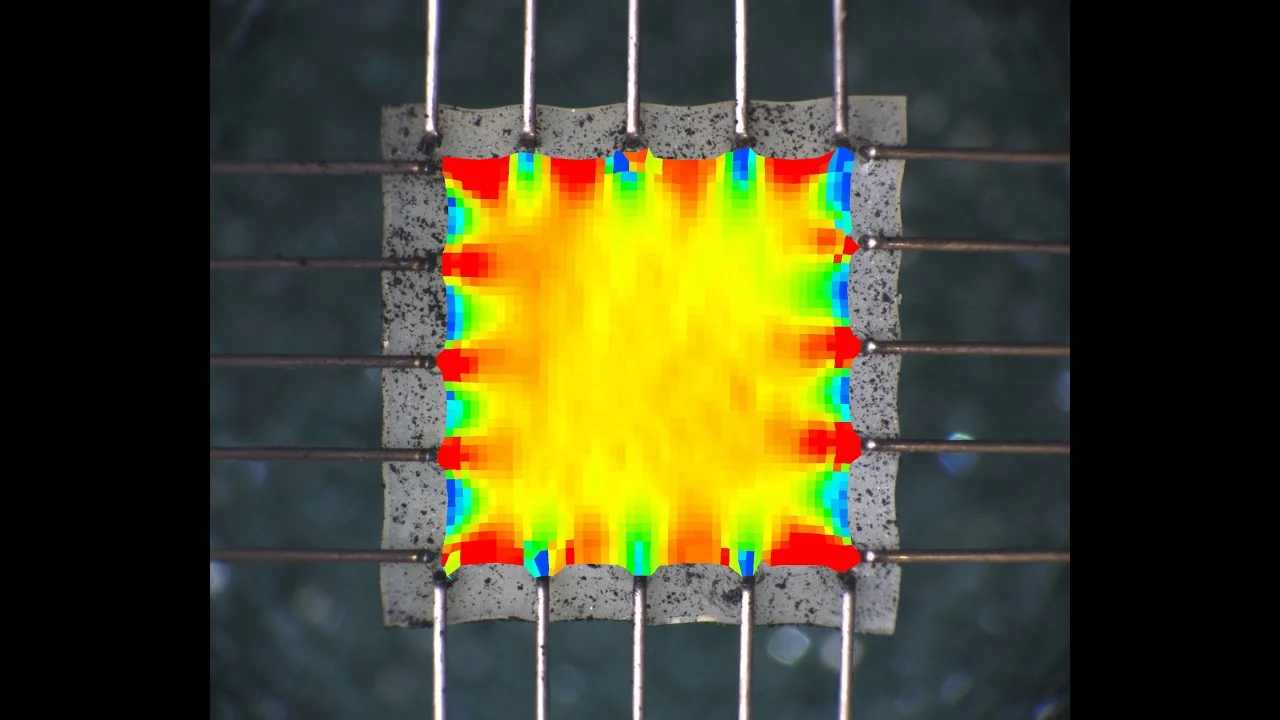
Biaxial Image-Based Strain Tracking

Image Tracking and Strain Analysis Software Demonstration

Custom Pressure–Volume Control System for Lung Mechanics Testing

Contact Sales

Product of Interest: