BLOG

Mechanical Testing of Soft Tissues and Biomaterials Blog

CellScale’s blog shares insights from real-world biomaterials research, mechanical education resources, and product development focused on the mechanical testing of soft tissues.

Latest Posts

Filter by Category:
Filter by Instrument
Filter by Testing Method:
Filter by Research Application:
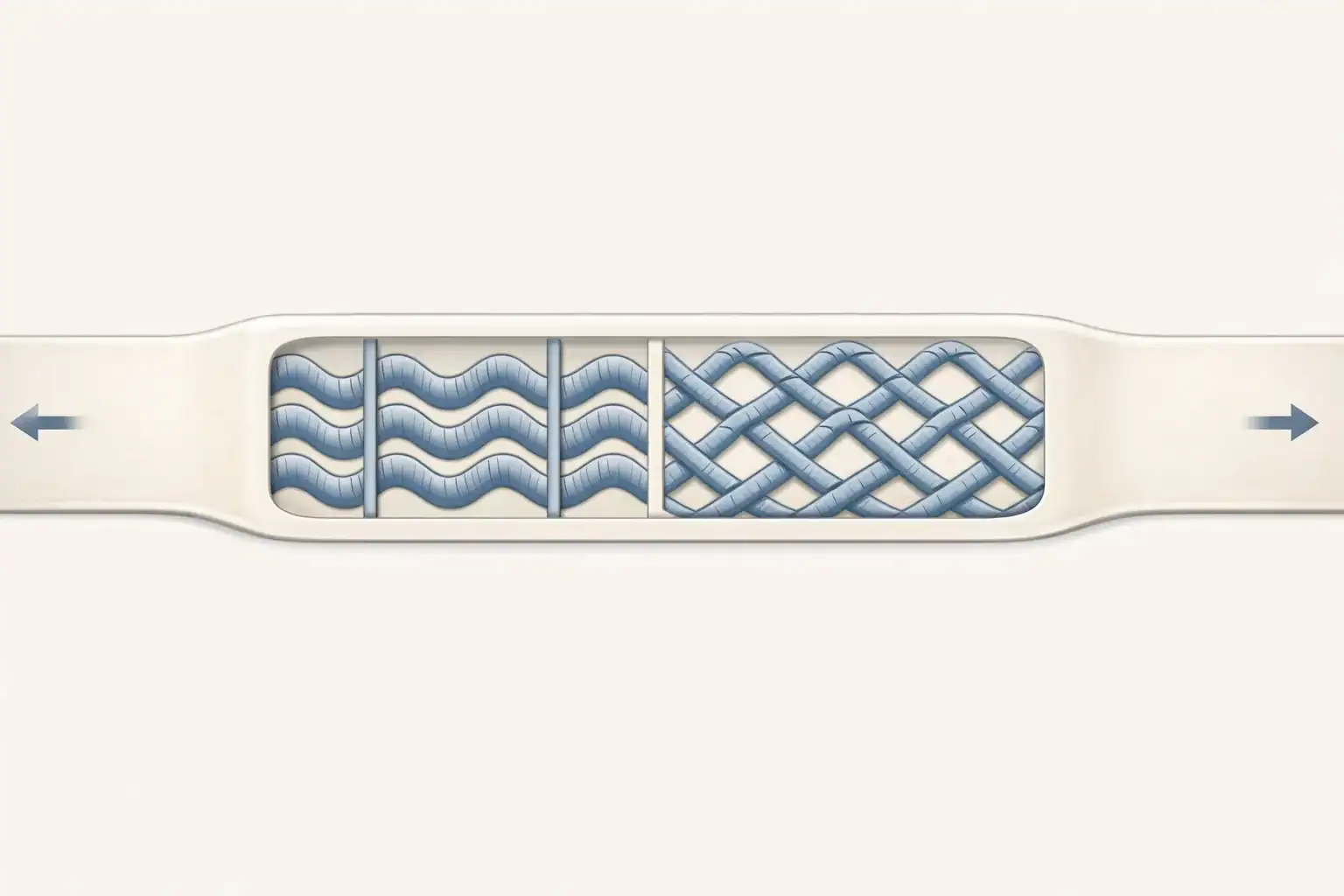
Caleb Arrow Diagram showing testing of BIOMATERIALS different is different from Manufactured Materials

June 21, 2024

What Sets Mechanical Testing of Biomaterials Apart from Manufactured Materials?

Biomechanical research leading to a consult to talk about spinal health

May 21, 2024

Biomechanical Research Reveals New Insights into Intervertebral Disc Failure

Wear Device Smart Bandage

May 21, 2024

Smart Bandage Technology for Chronic Wound Care and Mechanical Testing

May 16, 2024

Cranial Dura Mater Biomechanics and Biaxial Mechanical Testing

A rotator cuff biomechanics scan of a cuff tear

March 20, 2024

Rotator Cuff Biomechanics and Finite Element Modeling of Tear Progression

August 22, 2023

Flexible Pressure Sensors for Deep-Sea Monitoring and Mechanical Testing

Explore Blog Categories

Research Highlights

Peer-reviewed research and application-driven studies featuring CellScale instruments. Here you will find posts related to mechanical testing of soft tissues, mechanical properties of hydrogels, tensile testing of soft biomaterials, compression modulus measurement for gels, and more.


Educational Resources

Evergreen educational content for classroom and training courses, explaining how to test biomaterials mechanically, experimental setup guidance, mechanical testing method explainers, and more.

The MicroTester G2 model

Product & Resource Updates

Announcements and technical updates related to CellScale products and tools. Product releases and upgrades, software and accessory updates, and new technical resources and documentation.

Company News & Events

Updates from CellScale and the global research community, including conference participation, events, webinars, and company announcements and milestones.

The Tools Behind the Research

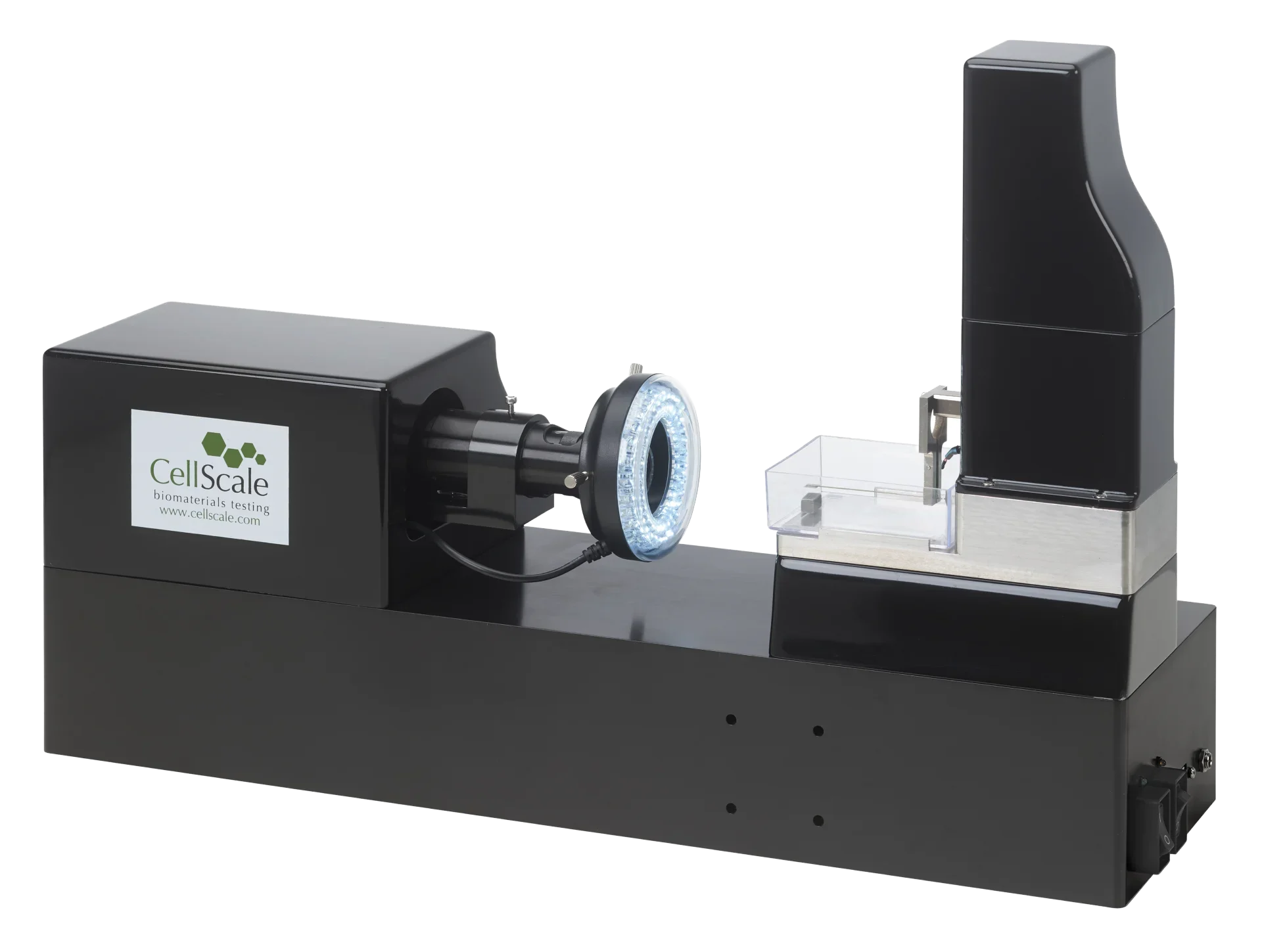
CellScale instruments support precise mechanical testing and controlled mechanical stimulation of soft tissues, biomaterials, and cell-seeded constructs across a wide range of research applications.

A cartilage sample being compressed on the UniVert

UniVert

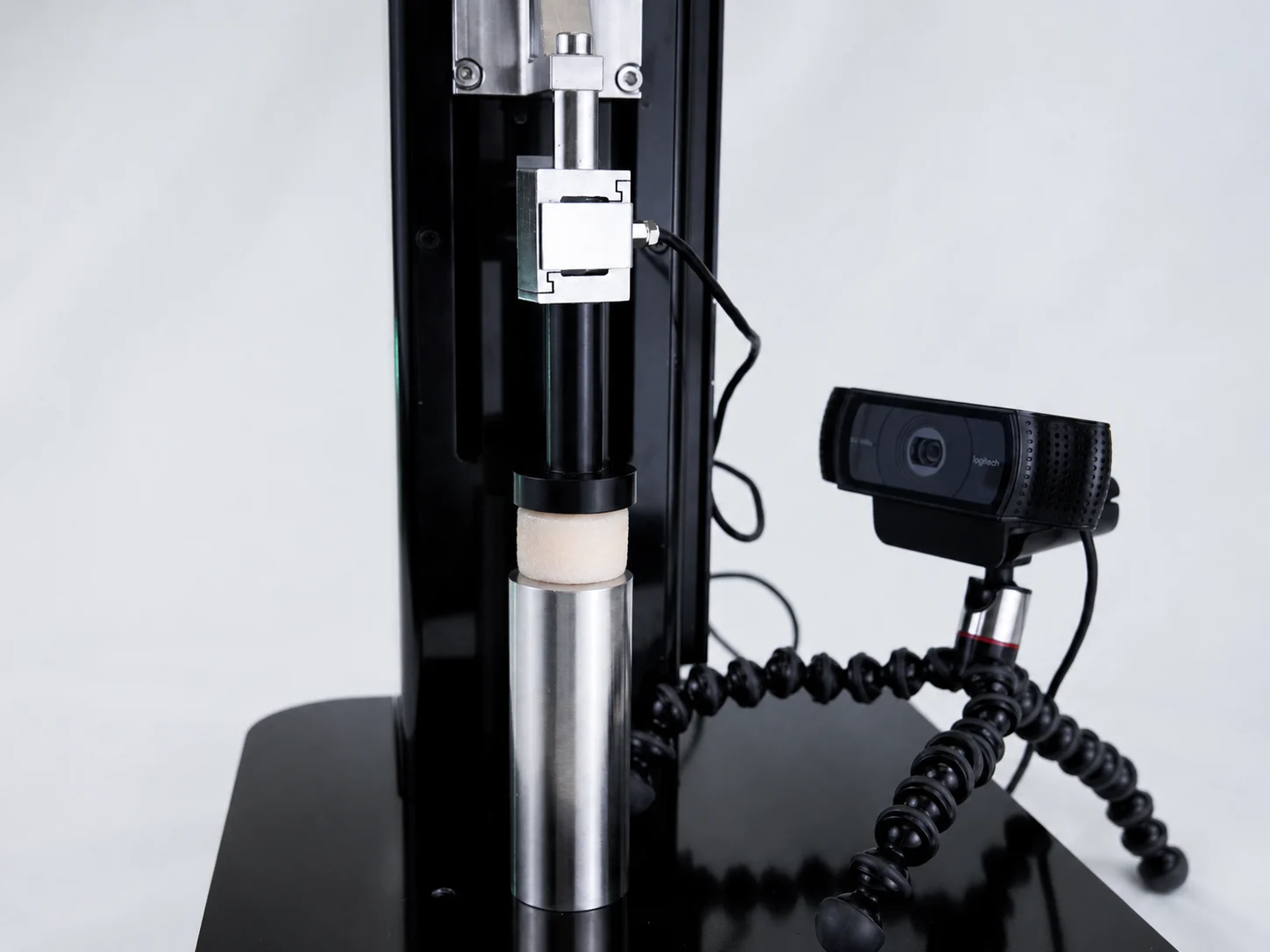
Versatile benchtop mechanical tester for tension, compression, pressure, peel, shear, torsion, and more testing of soft tissues and biomaterials.

The BioTester 5000 setup with BioRakes

BioTester

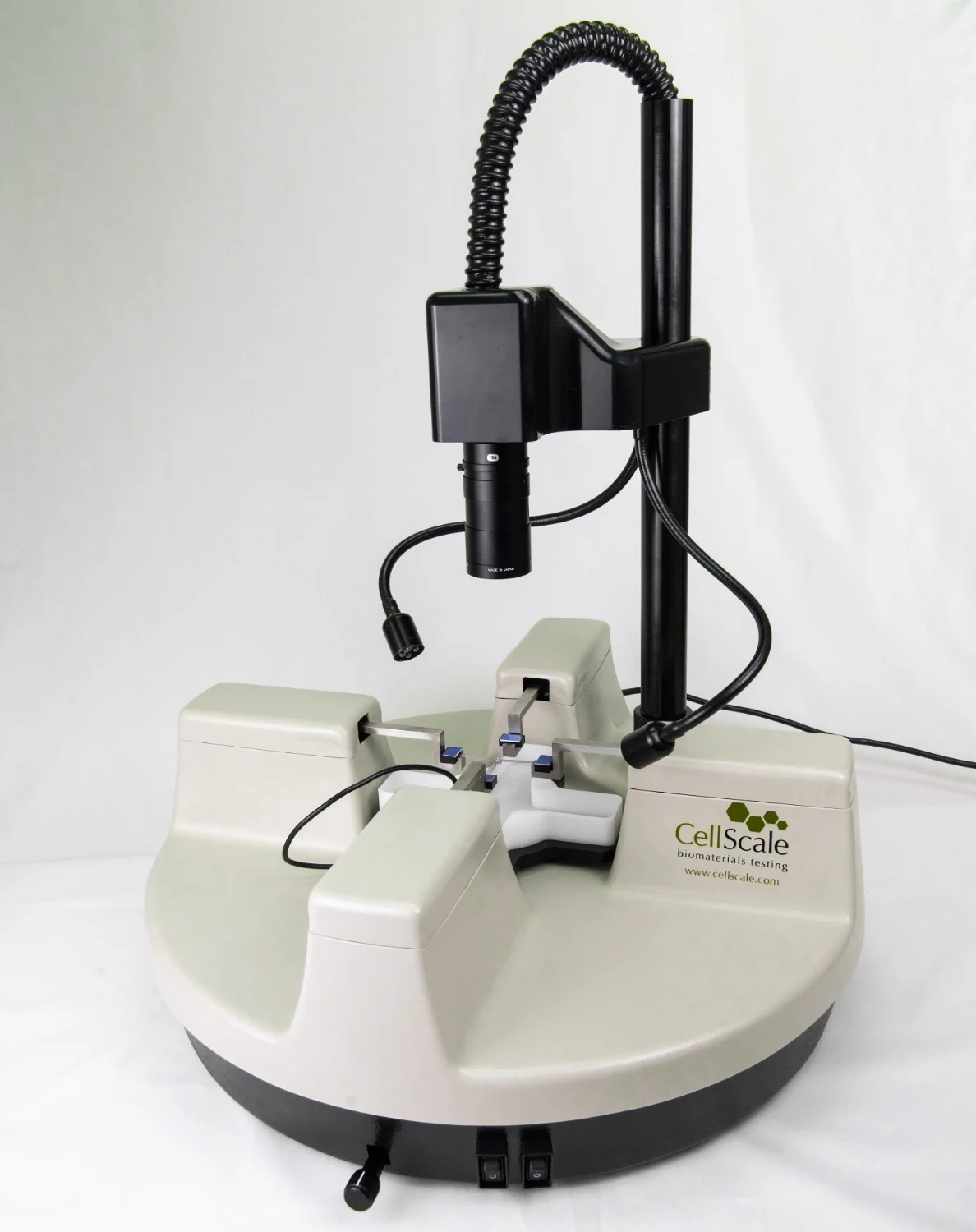
Biaxial mechanical testing of planar tissues, membranes, and engineered constructs in physiologically relevant loading modes.

The MicroTester G2 mechanical tester

MicroTester

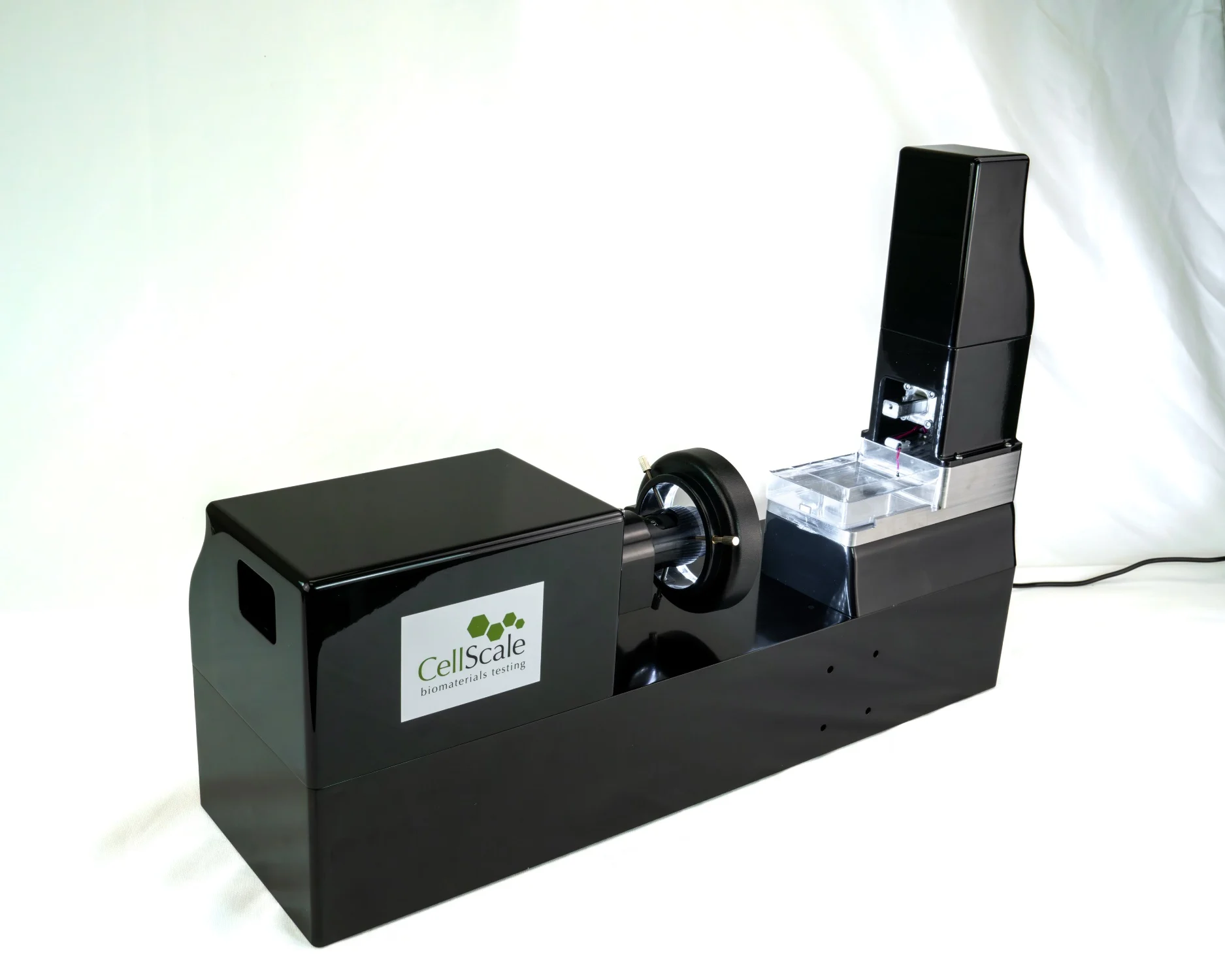
Micro-scale mechanical testing of soft tissues, fibers, and micro-mechanical biomaterials where high sensitivity and precision are required.

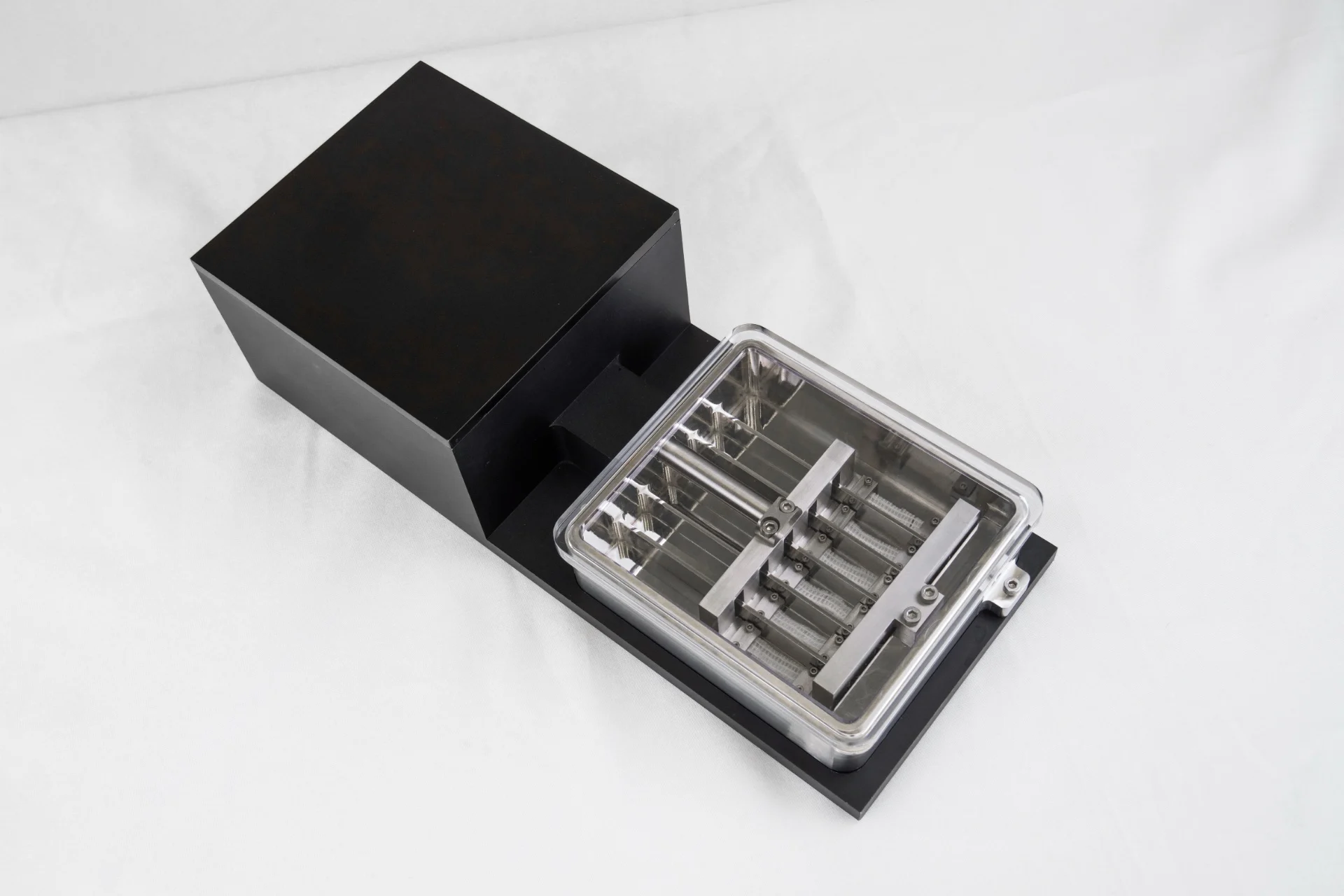
MechanoCulture T6

Uniaxial tensile testing of soft biomaterials and 3D cell-seeded matrices in a sterile fluid environment, enabling cyclic or static stretch protocols during culture.

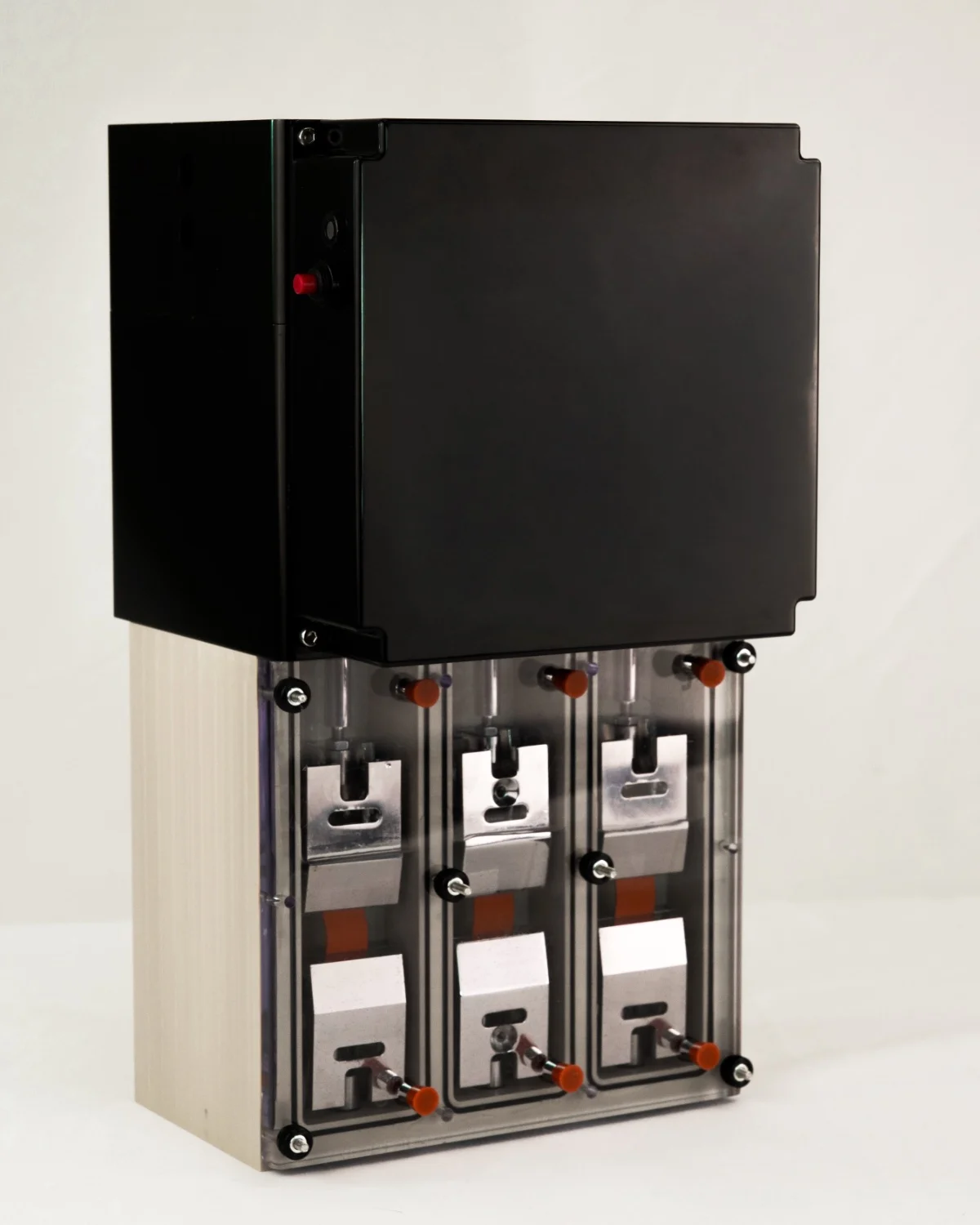
The MechanoCulture J1 bioreactor, viewed from the front with samples mounted in grips

MechanoCulture J1

Multi-sample uniaxial tensile stimulation system with integrated load cells, enabling parallel force- or displacement-controlled stretching of cells and tissues in culture.

A front-right view of the MCTX bioreactor

MechanoCulture TX

Multi-well uniaxial compression stimulation system for cell-seeded constructs and biomaterials, supporting programmable cyclic or static compressive loading.

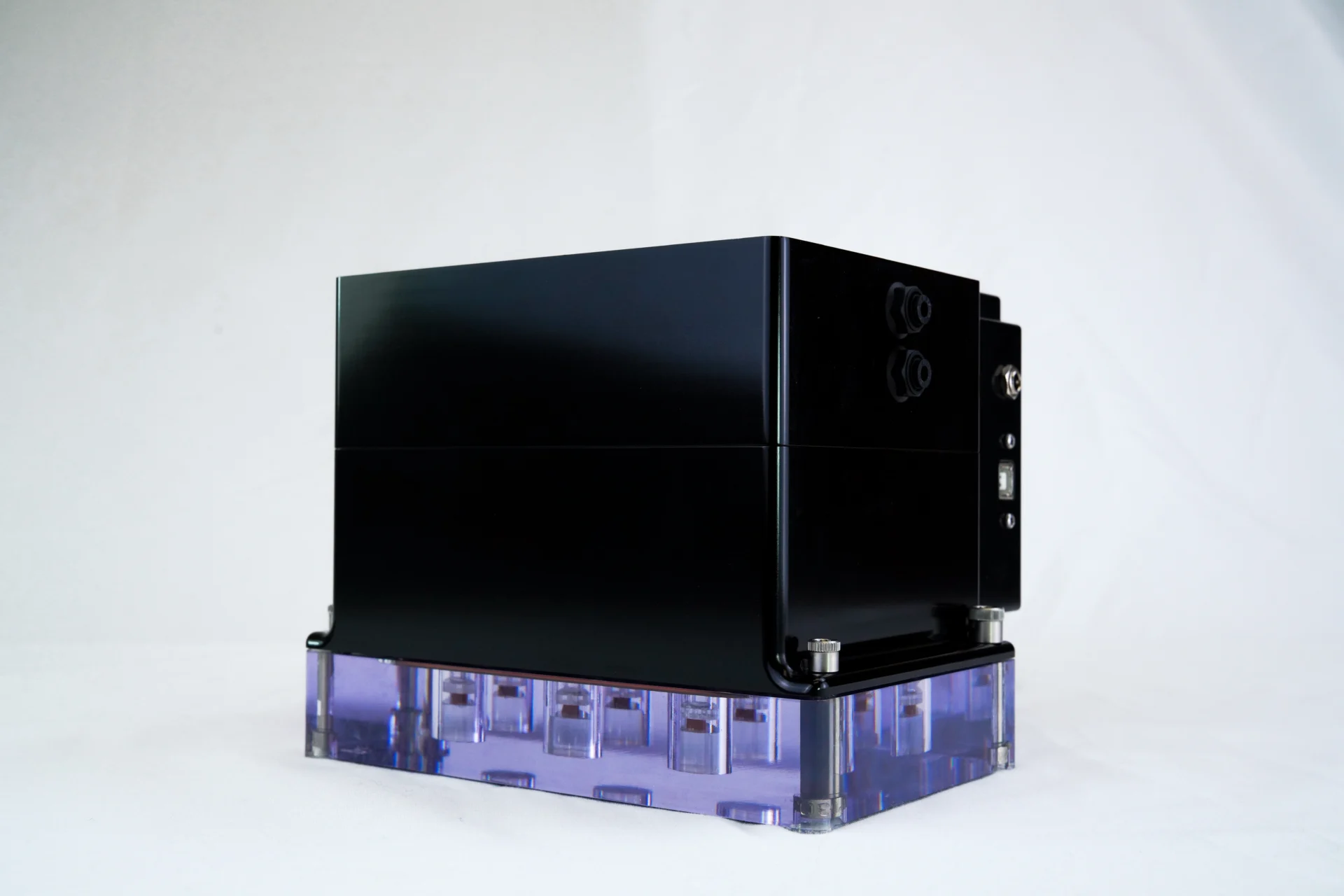
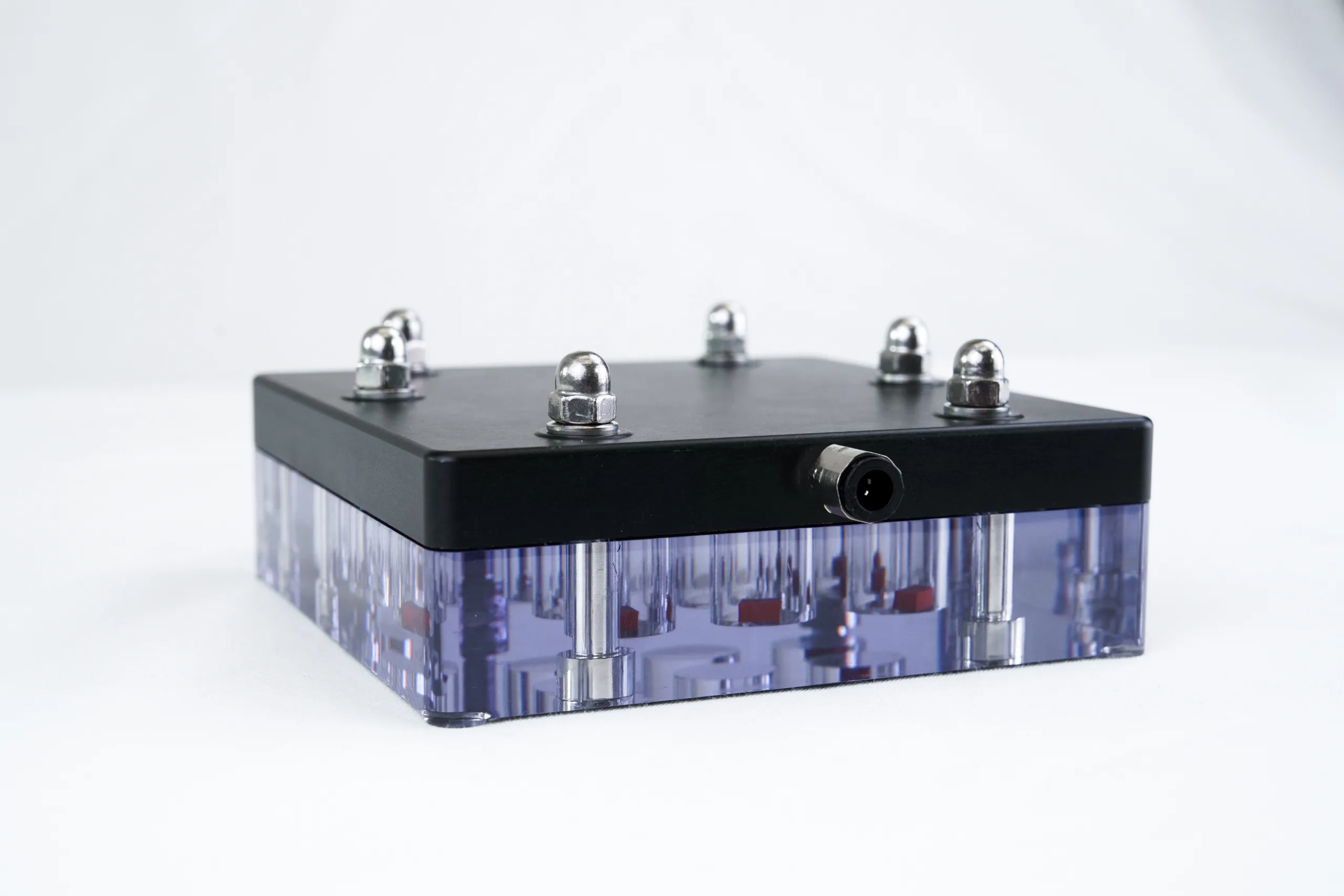
MCTR bioreactor view from the side

MechanoCulture TR

High-throughput hydrostatic pressure stimulation system with independent wells, enabling cyclic or static pressurization of cultured samples.

See the Research Behind the Stories

Read overviews of peer-reviewed publications featuring CellScale systems.

3D fractal topography attenuates inflammation and confers resilience to glomerular podocytes

Wang Y, Dikyol C, et al.

Cell Biomaterials

MicroTester

Hydrated and Temperature Controlled TestingIndentation TestingMicro-Mechanical Testing

Fibrosis & Tissue RemodelingMechanotransductionOrganoid and Tissue Mimetic Systems

2026

Mechanically graded granular scaffolds for osteochondral tissue engineering

Mierswa SC, Wheeler EE, et al.

Biomaterials Advances

MicroTester

Compression TestingHydrated and Temperature Controlled TestingMicro-Mechanical Testing

Bone Tissue Engineering & MechanicsCartilage and Meniscus MechanicsScaffold Mechanical Testing

2026

Postpartum biomechanical adaptations of the anterior abdominal wall in a rat model: Implications for diastasis rectus abdominis

Lax M, Morgan M, et al.

Clinical Biomechanics

BioTester

Tensile Testing

Musculoskeletal Tissue Engineering & MechanicsPelvic Floor and Gynecological Biomechanics

2026

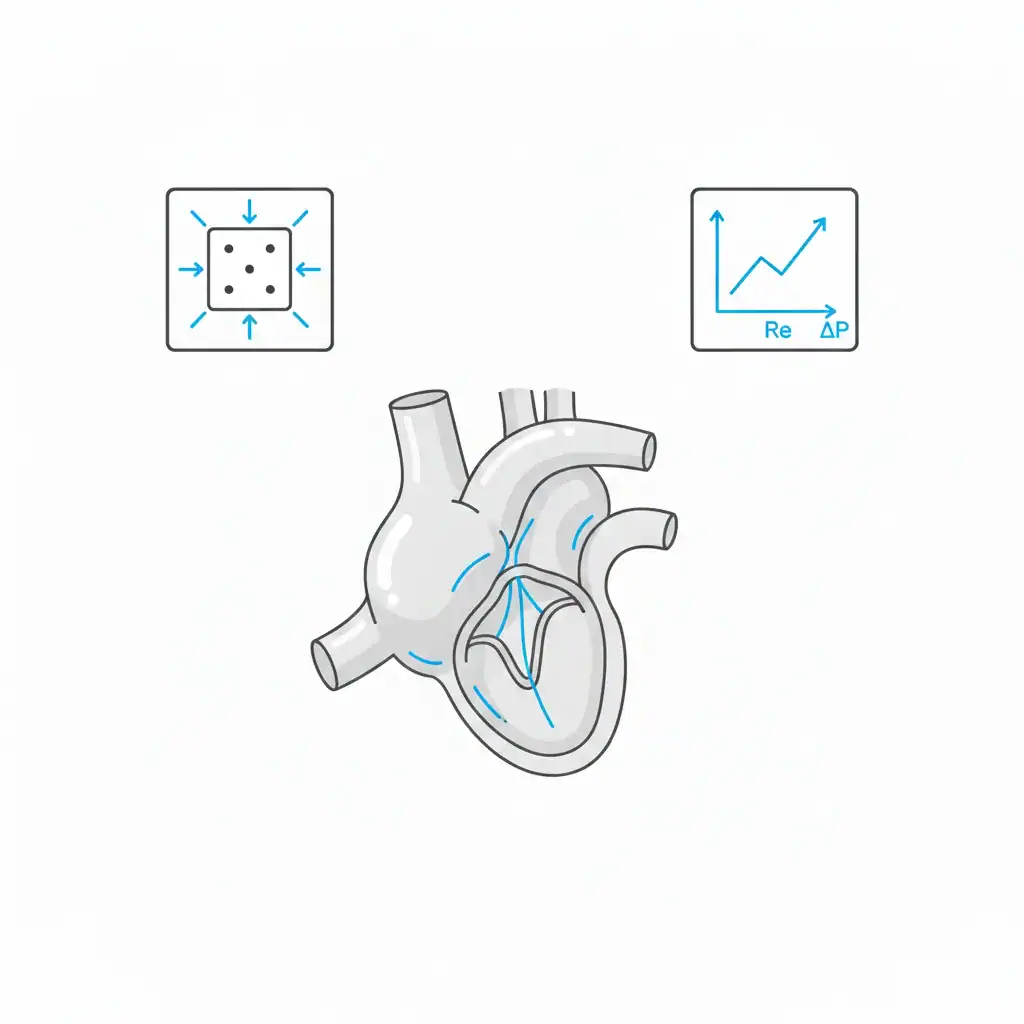
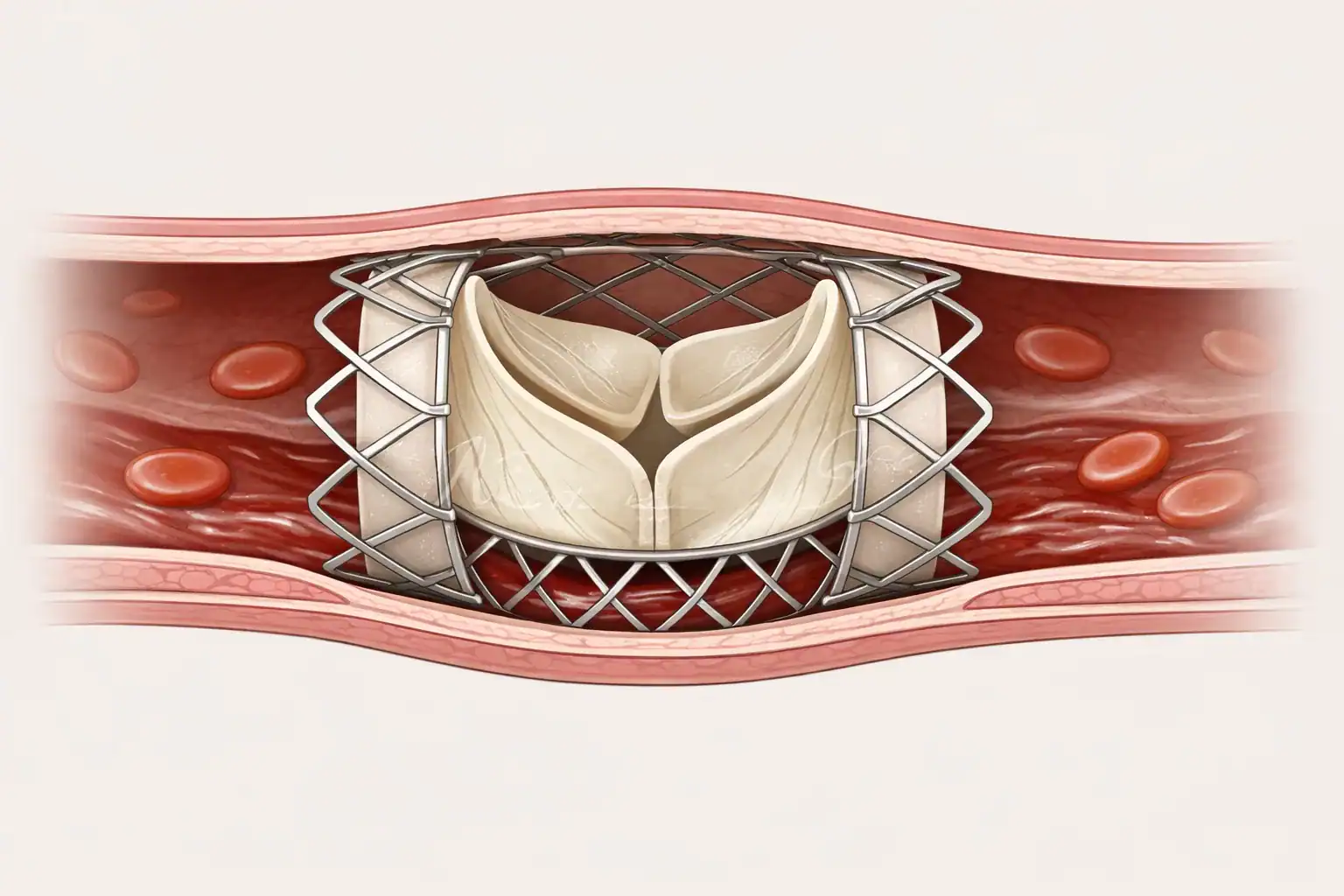
Comparison of Mechanical Properties of Patient-Specific Direct 3D-Printed Aortic Valve for Simulation Trainings: A Comparative Study

Cheheili Sobbi S, Pavlykova-Chertovska A, et al.

Innovations

BioTester

Digital Image Correlation (DIC)Tensile Testing

Cardiac Tissue Engineering & MechanicsHeart Valve Tissue Engineering & MechanicsPolymers and Elastomers Testing

2026

Effect of Sulfated Polysaccharides and Laponite in Composite Porous Scaffolds on Osteogenesis

Karamesouti A, Chatzinikolaidou M

Biomolecules

UniVert

Compression TestingHydrated and Temperature Controlled Testing

Bone Tissue Engineering & MechanicsHydrogel Mechanical TestingScaffold Mechanical Testing

2026

Advance Your Biomaterials Research

CellScale mechanical testers and bioreactors are trusted by researchers worldwide to deliver accurate, reproducible mechanical testing of soft tissues and engineered biomaterials.

Contact Sales

Product of Interest: