

Intervertebral Disc Biomechanics
and Spine Tissue Mechanics

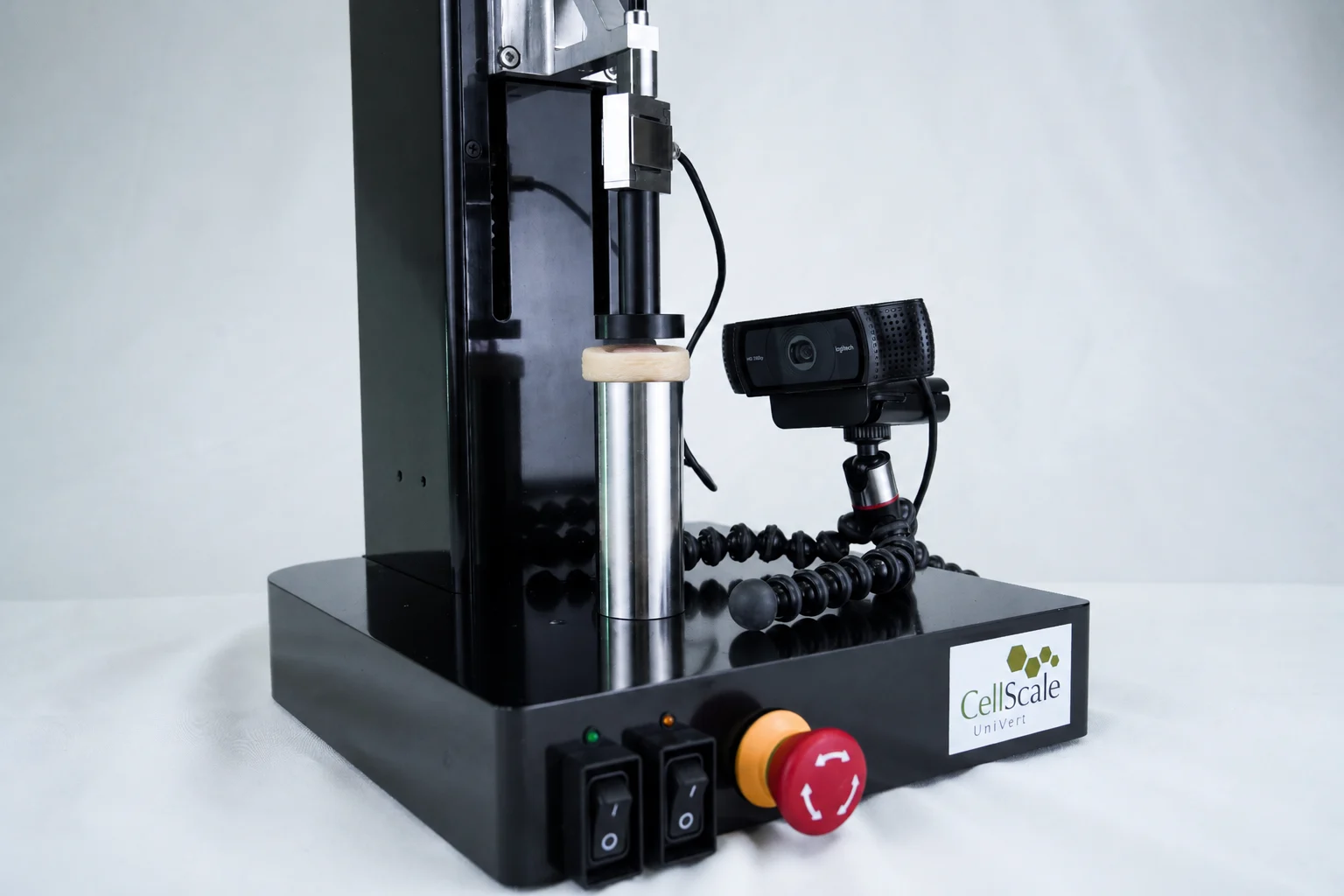
Overview of Intervertebral Disc Biomechanics
Intervertebral disc biomechanics focuses on understanding the mechanical behaviour of annulus fibrosus, nucleus pulposus and surrounding spinal tissues. Researchers investigate how degeneration, inflammation, enzymatic degradation and mechanical overload alter disc structure and function. Accurate testing supports the development of regenerative therapies, biologic treatments and engineered disc replacements.
- Key mechanical considerations in disc biomechanics:
The annulus fibrosus exhibits strong anisotropy due to its lamellar fibrous structure, while the nucleus pulposus displays viscoelastic and compressive hydrogel-like behaviour. Quantifying stiffness, tensile strength, fibre alignment, and failure modes is essential for modeling spinal motion, predicting injury risk, and designing biomaterials that match native disc function.

Importance of Mechanical Testing in Intervertebral Disc Biomechanics
Accurate mechanical testing is essential in understanding spinal biomechanics and injury research.
Mechanical testing of disc tissues and engineered constructs provides insight into:
- How degeneration alters annulus fibrosus stiffness and fiber recruitment
- Tissue fatigue behaviour under repetitive spinal loading
- The influence of inflammation or enzymatic digestion on disc mechanics
- Integration strength between engineered constructs and native tissue
- Failure pathways that contribute to herniation
- Structure-function relationships for regenerative therapies
Mechanical testing also enables the calibration of finite element models used in spinal biomechanics and injury prediction.
Recommended CellScale Instruments for Spine Mechanics
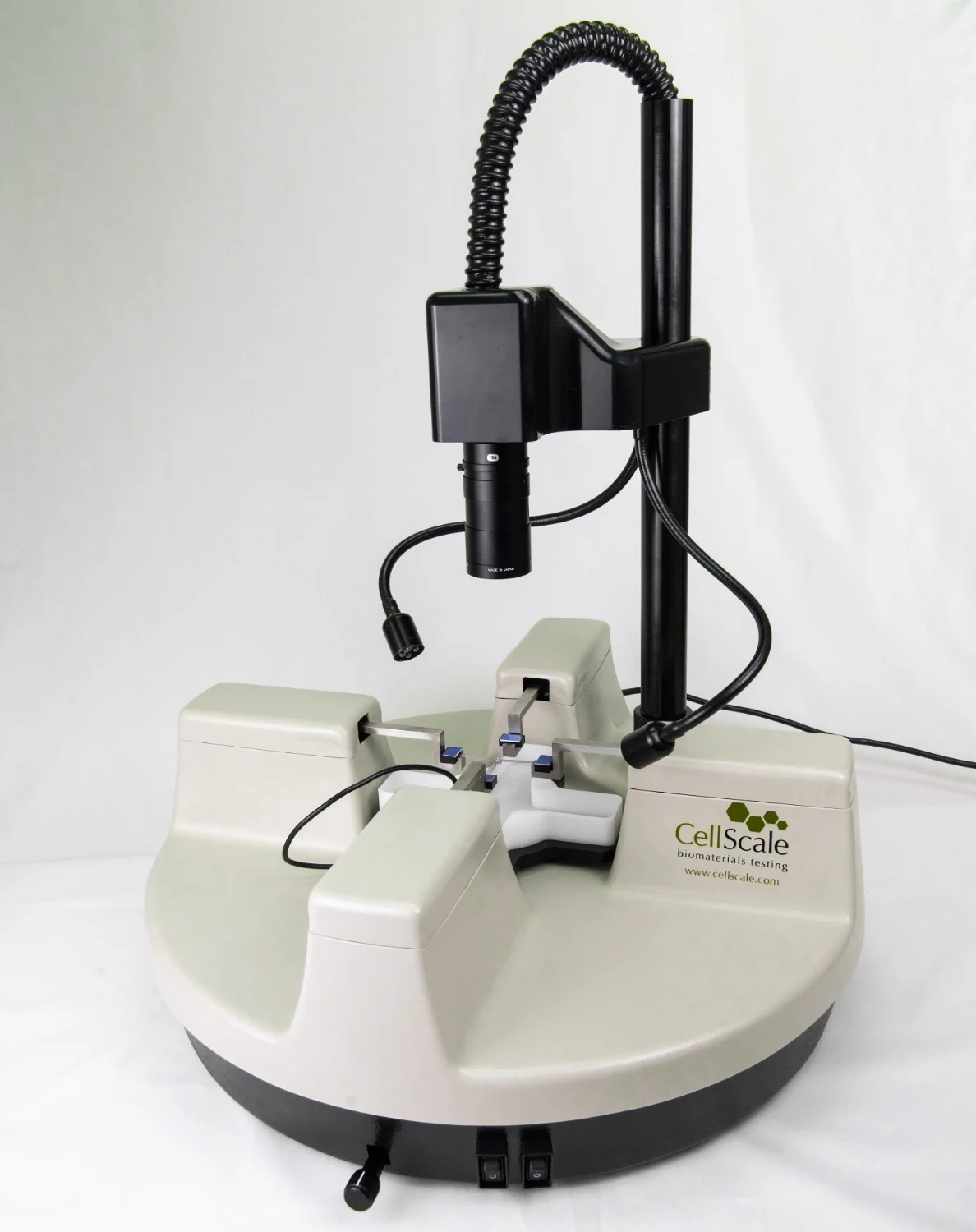
BioTester
Used for planar biaxial testing of annulus fibrosus regions (and other samples) to characterize anisotropy and fibre direction dependence.
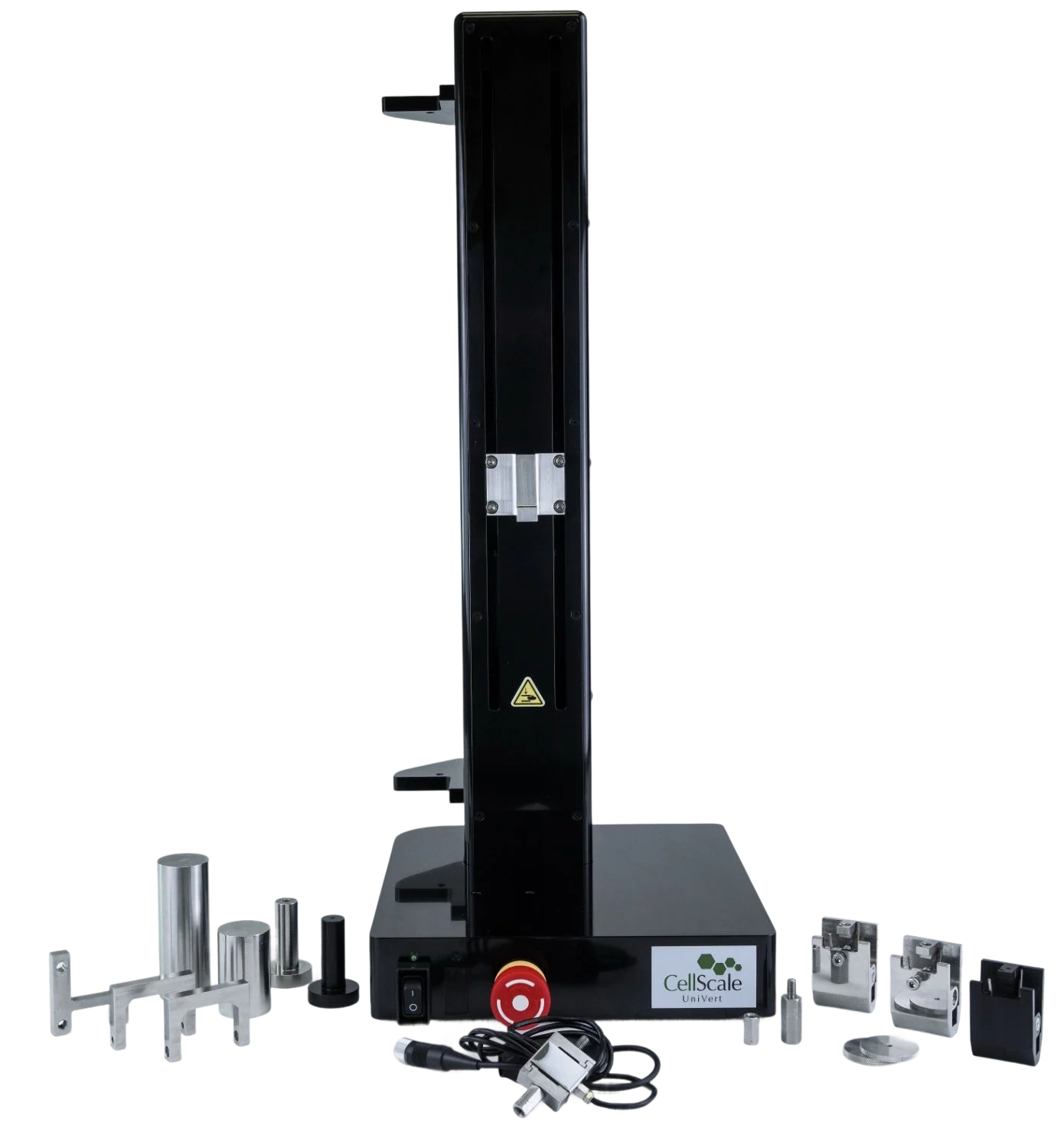
UniVert
Provides uniaxial tensile, compression, and other mechanical testing for annulus strips, nucleus mimetic materials, and engineered disc constructs.
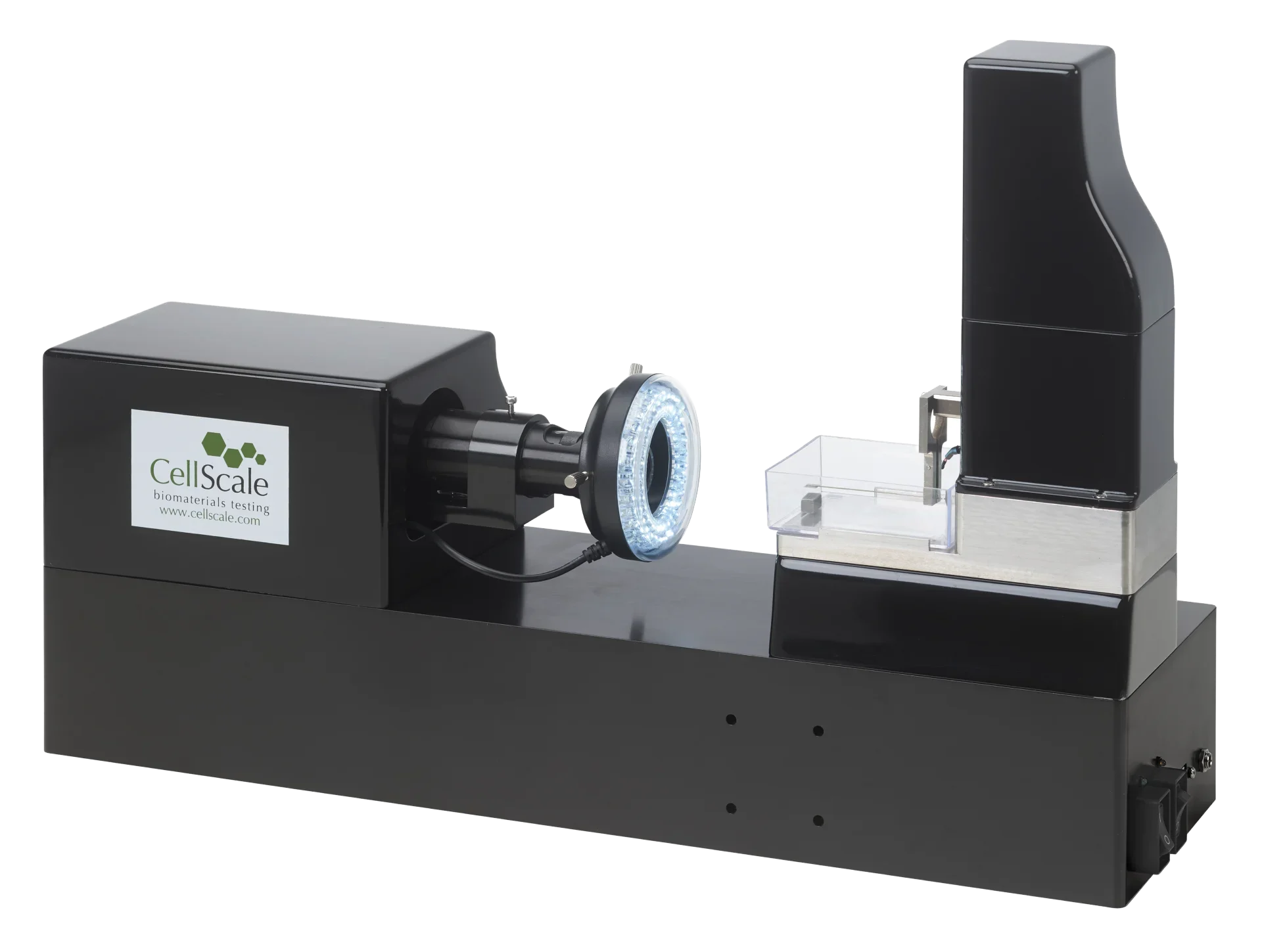
MicroTester
Suitable for testing micro-scale engineered disc materials, thin hydrogel layers, and localized regions of disc scaffolds.
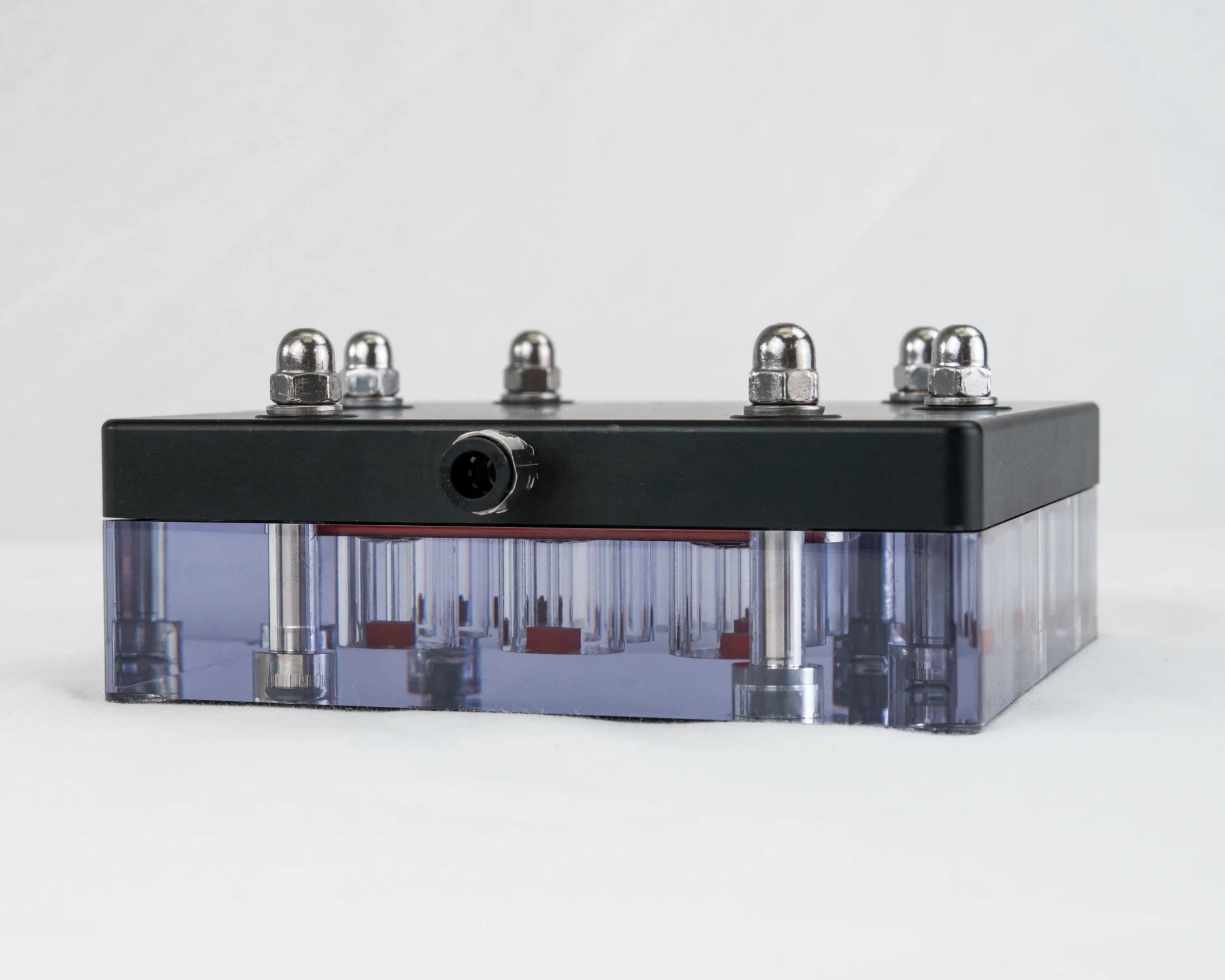
MechanoCulture TR
Dynamically applies compression stimulation through hydrostatic pressure in culture, enabling controlled, repeatable hyperphysiological loading to quantify downstream mechanotransduction outcomes.
Testing Methods Used in Intervertebral Disc Biomechanics
Stress Relaxation Testing
Evaluates load dissipation and viscoelastic response
Digital Image Correlation
Measures nonuniform strain patterns across disc and spinal tissues
Fatigue Testing
Replicates repetitive spinal loading
Creep Testing
Quantifies time-dependent deformation of spinal tissues
Torsion Testing
Evaluates rotational stiffness and torque resistance under physiologic twisting loads
Representative Sample Types in Disc and Spine Biomechanics
Native tissues
- Annulus fibrosus lamellae
- Nucleus pulposus samples
- Spinal ligament regions
Engineered materials
- Disc replacement scaffolds
- Hydrogel nucleus analogs
- Fibre-reinforced annulus constructs
- Layered composite disc systems
Disease and injury models
- Enzymatically-degraded annulus samples
- Inflammation-induced degeneration models
- Vibration injury models
Featured Publications in Spine Biomechanics

Advance Your Intervertebral Disc Biomechanics Research
Our instruments support detailed evaluation of disc tissues, engineered replacements, and degenerative models. Contact our team to discuss your testing needs or explore instrument options.