

Musculoskeletal Tissue Engineering
and Soft Tissue Biomechanics

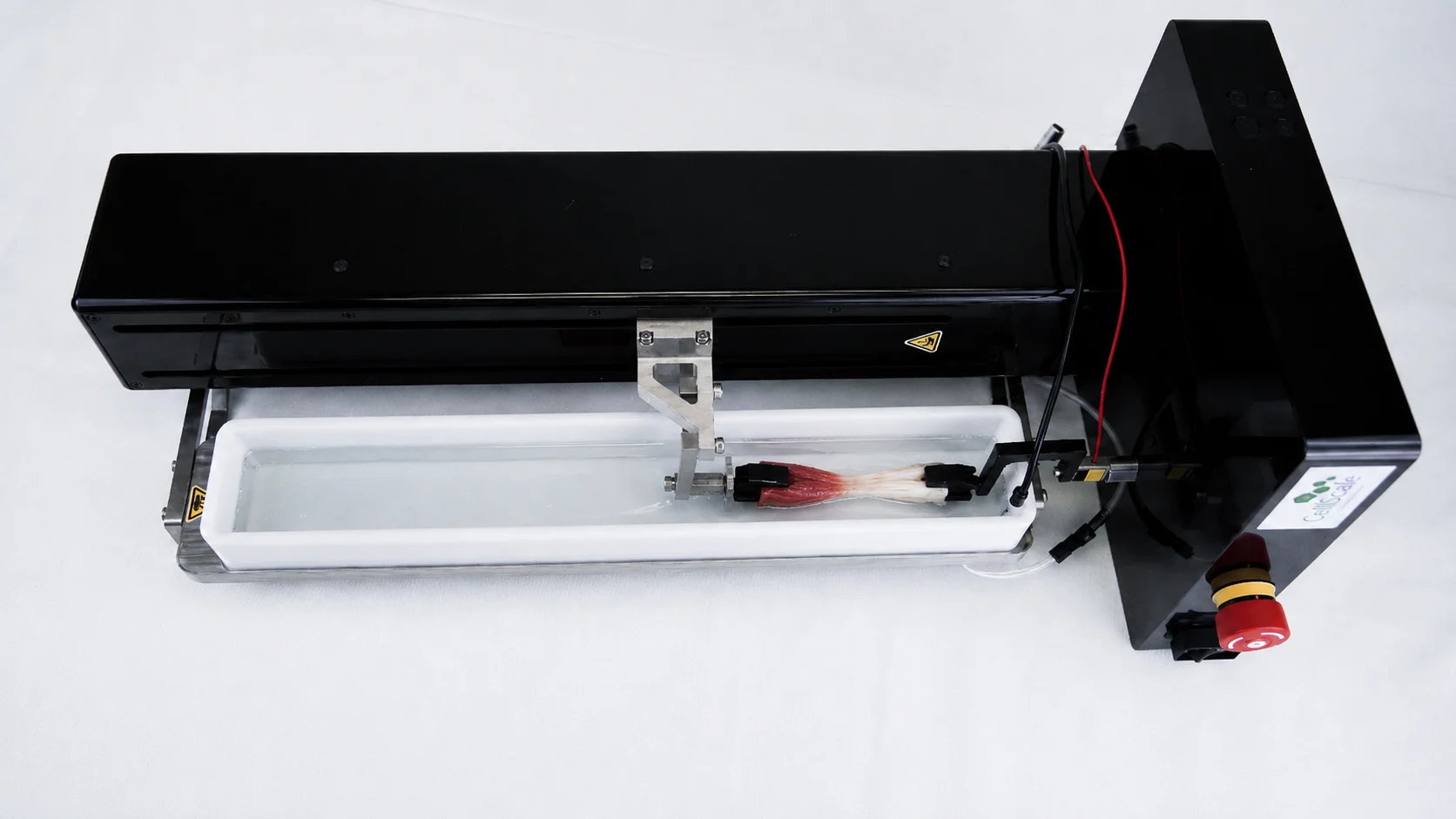
Overview of Musculoskeletal Tissue Engineering
Musculoskeletal tissues provide structural stability and enable coordinated movement. These tissues include muscle, tendon, ligament, fascia, cartilage, fibrocartilage, and connective tissue interfaces. Engineering replacements or regenerative constructs requires knowledge of how these tissues respond to mechanical loading, how they remodel during healing, and how engineered biomaterials integrate with surrounding structures.
- Musculoskeletal tissue engineering research often focuses on:
Mechanical testing enables researchers to quantify performance of engineered tissues and assess whether constructs can withstand physiologic loads.

Importance of Mechanics in Musculoskeletal Regeneration
Mechanical properties are central to the function of musculoskeletal tissues.
Testing helps researchers:
- Determine tensile strength and stiffness of engineered constructs
- Evaluate compressive and shear resistance in composite tissues
- Measure fatigue resistance under cyclic loading
- Compare engineered materials with native tissue benchmarks
- Study mechanobiology during matrix remodeling
- Improve scaffold designs to support functional integration
Quantitative mechanical data guide the development of regenerative therapies and orthopedic biomaterials.
Recommended CellScale Instruments for Musculoskeletal Tissue Engineering
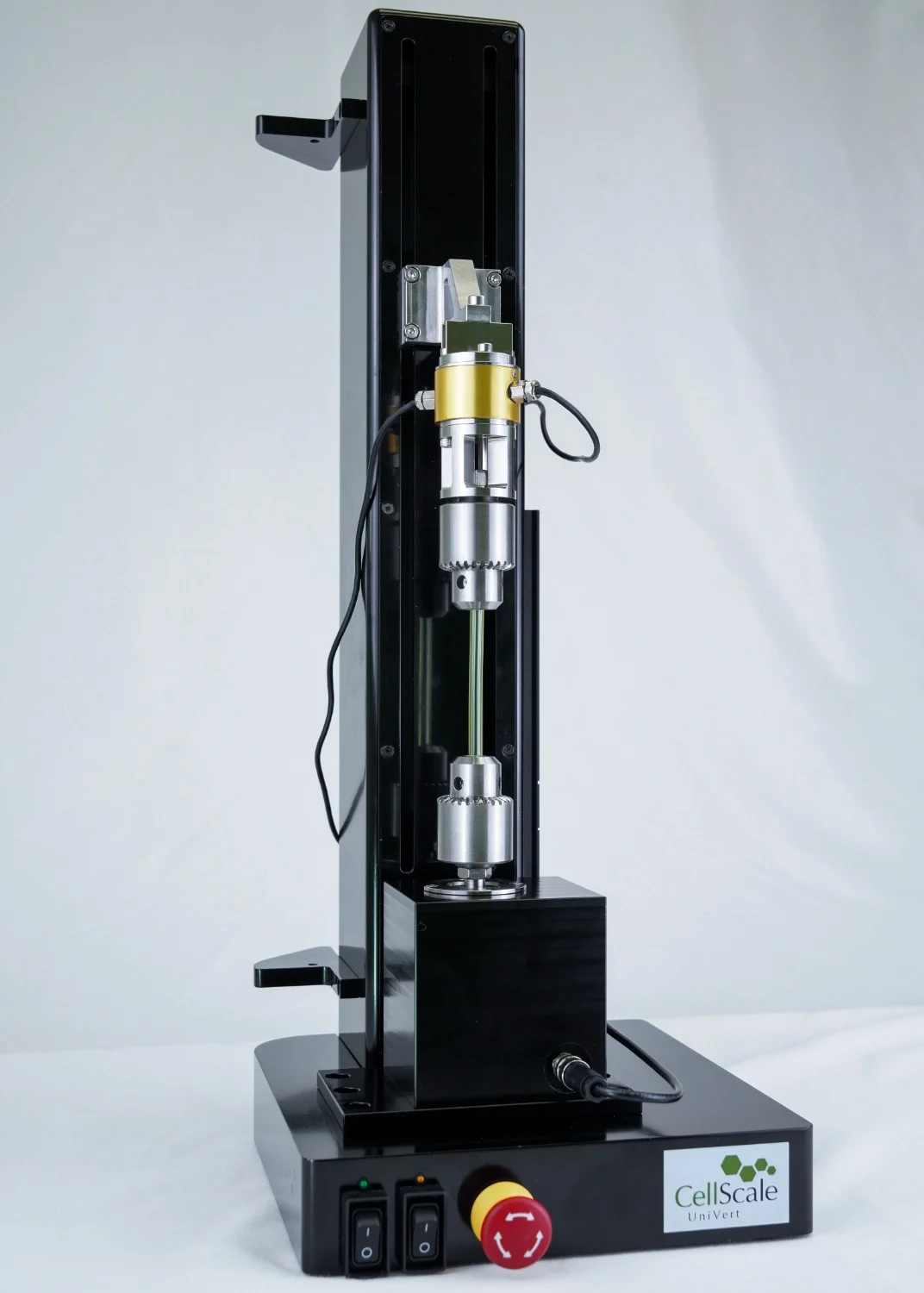
UniVert
Used for tensile, compression, and torsion testing of engineered musculoskeletal tissues, composite scaffolds, and connective tissue constructs.
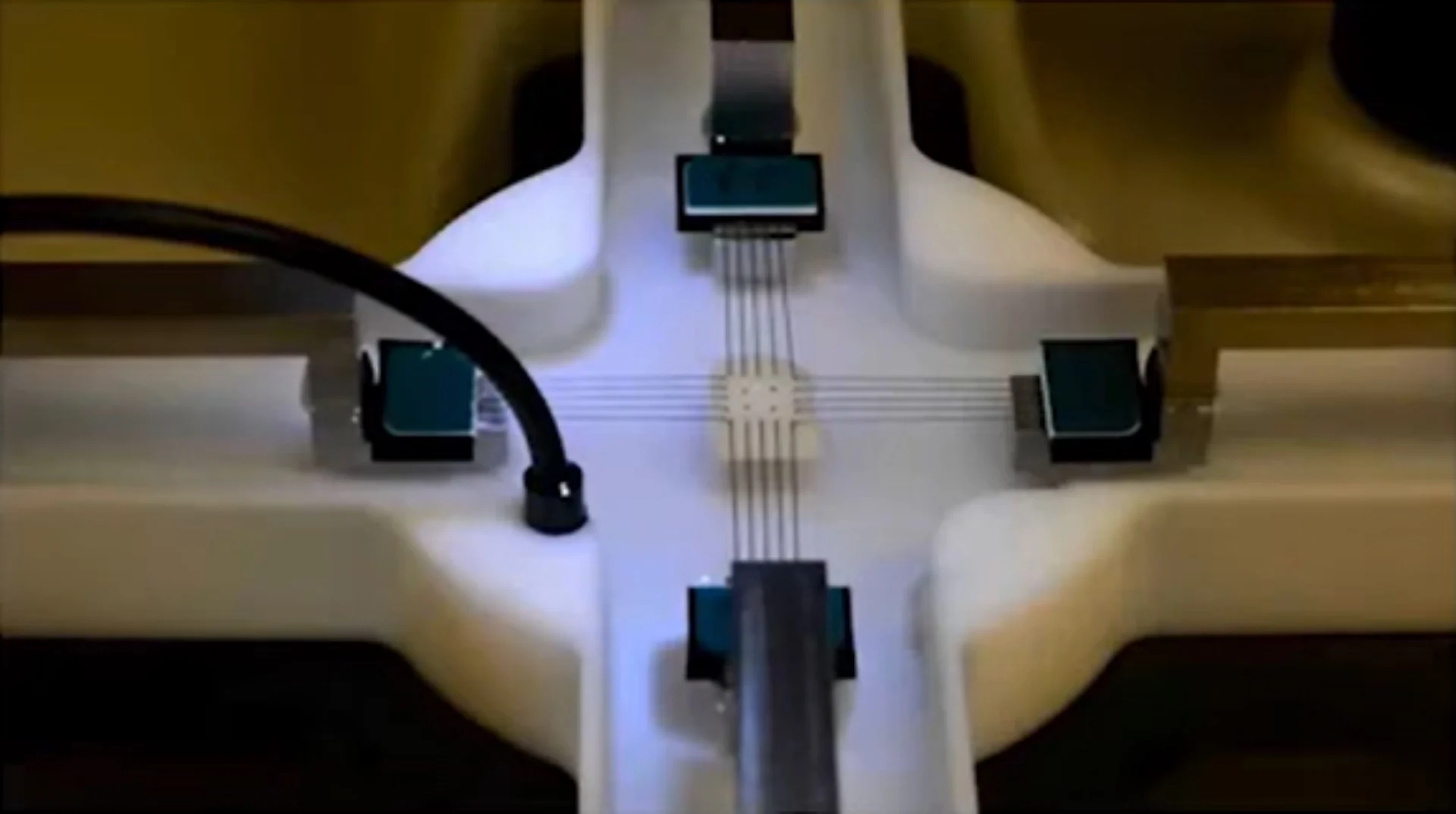
BioTester
Ideal for planar and biaxial testing of sheet-like musculoskeletal tissues or engineered membranes with directional behaviour.
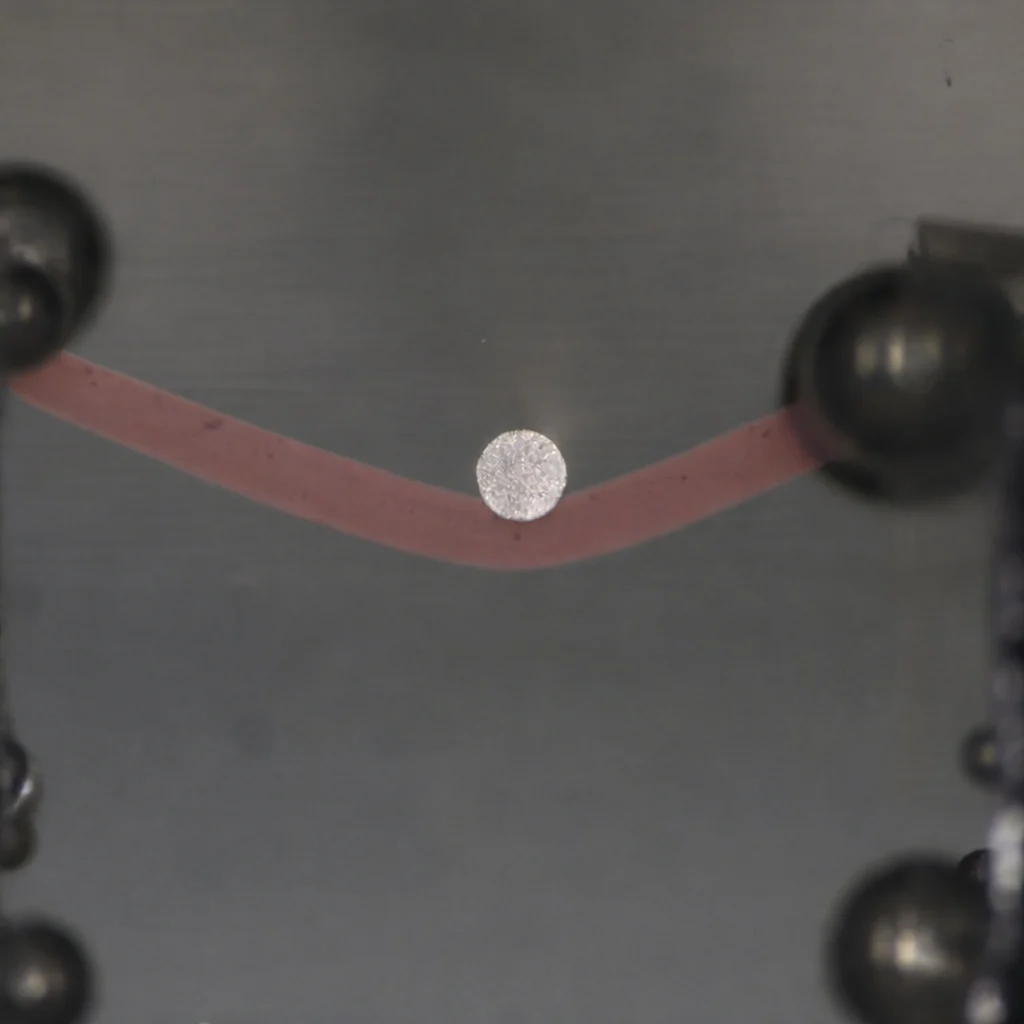
MicroTester
Suitable for micro-scale constructs, aligned fibre bundles, hydrogel micro tissues, and early stage regenerative materials requiring low force sensitivity.
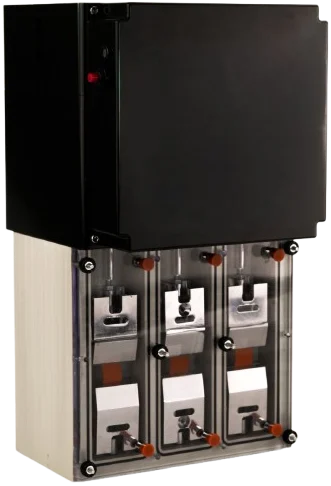
MechanoCulture J1
Applies cyclic stretch to study mechanobiology in fibroblasts, muscle cells, and connective tissue interfaces.
Testing Methods Used in Musculoskeletal Tissue Engineering
Tensile Testing
Evaluates strength, stiffness, and fibre recruitment
Torsion Testing
Characterizes rotational mechanics and shear response
Creep Testing
Quantifies time-dependent deformation to assess mechanical stability
Compression Testing
Characterizes bulk modulus and deformation behaviour
Flexural & Bending Testing
Characterizes bending compliance of engineered muscle tissues
Representative Sample Types
Native tissues
- Fascia
- Muscle tendon junction tissue
- Fibrocartilage
- Connective tissue sheets
Engineered constructs
- Aligned fibre scaffolds
- Hydrogel composite constructs
- Electrospun musculoskeletal scaffolds
- Gradient materials mimicking tissue interfaces
Mechanobiology models
- Fibroblast seeded matrices
- Cyclically loaded muscle cell constructs
- Interface models for tendon to bone attachment studies
Selected Publications in Musculoskeletal Biomaterials Research

Advance Your Musculoskeletal Research
CellScale instruments support testing of native, engineered and composite musculoskeletal tissues. Contact our technical team to identify the right configuration for your research needs.