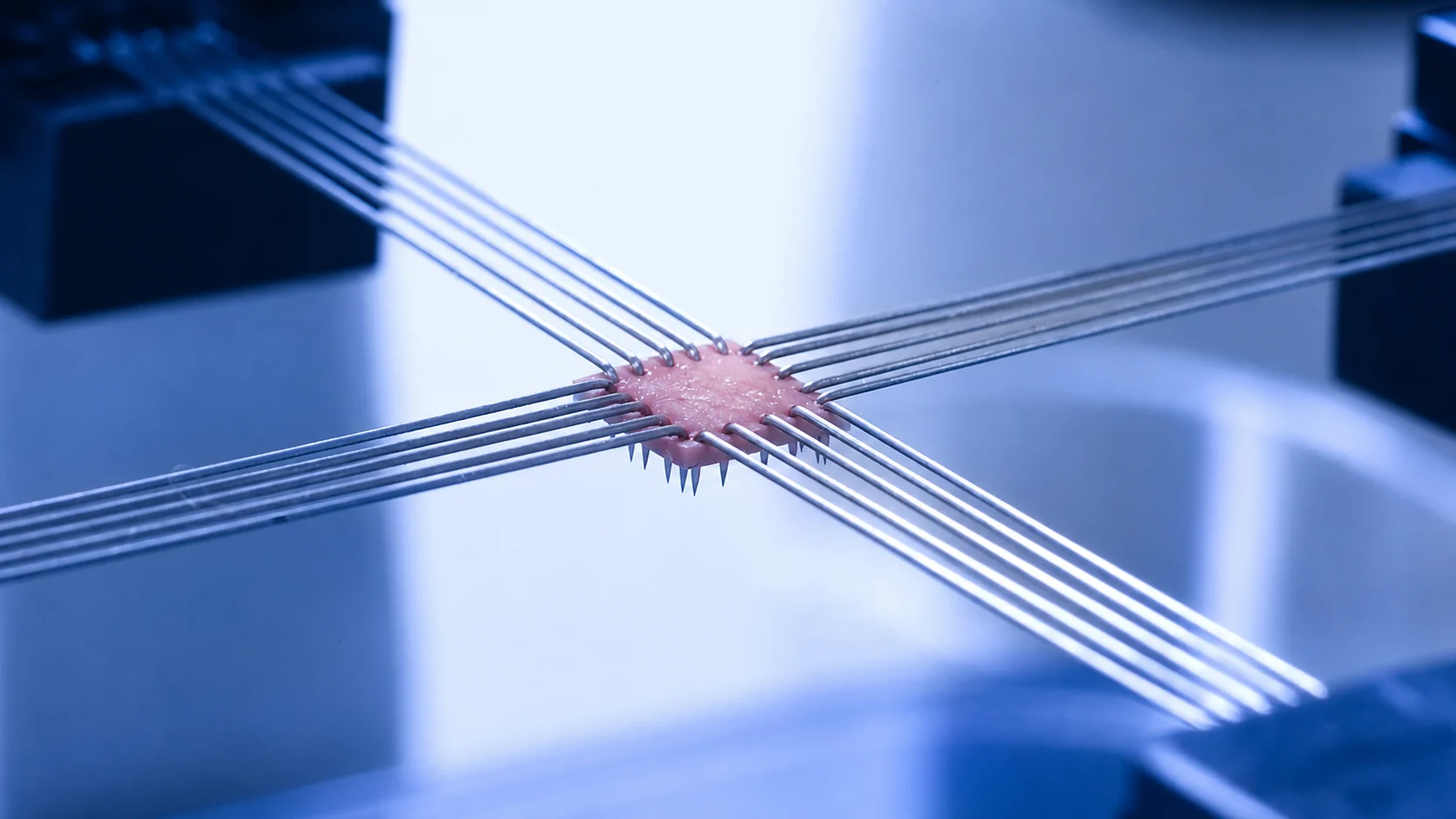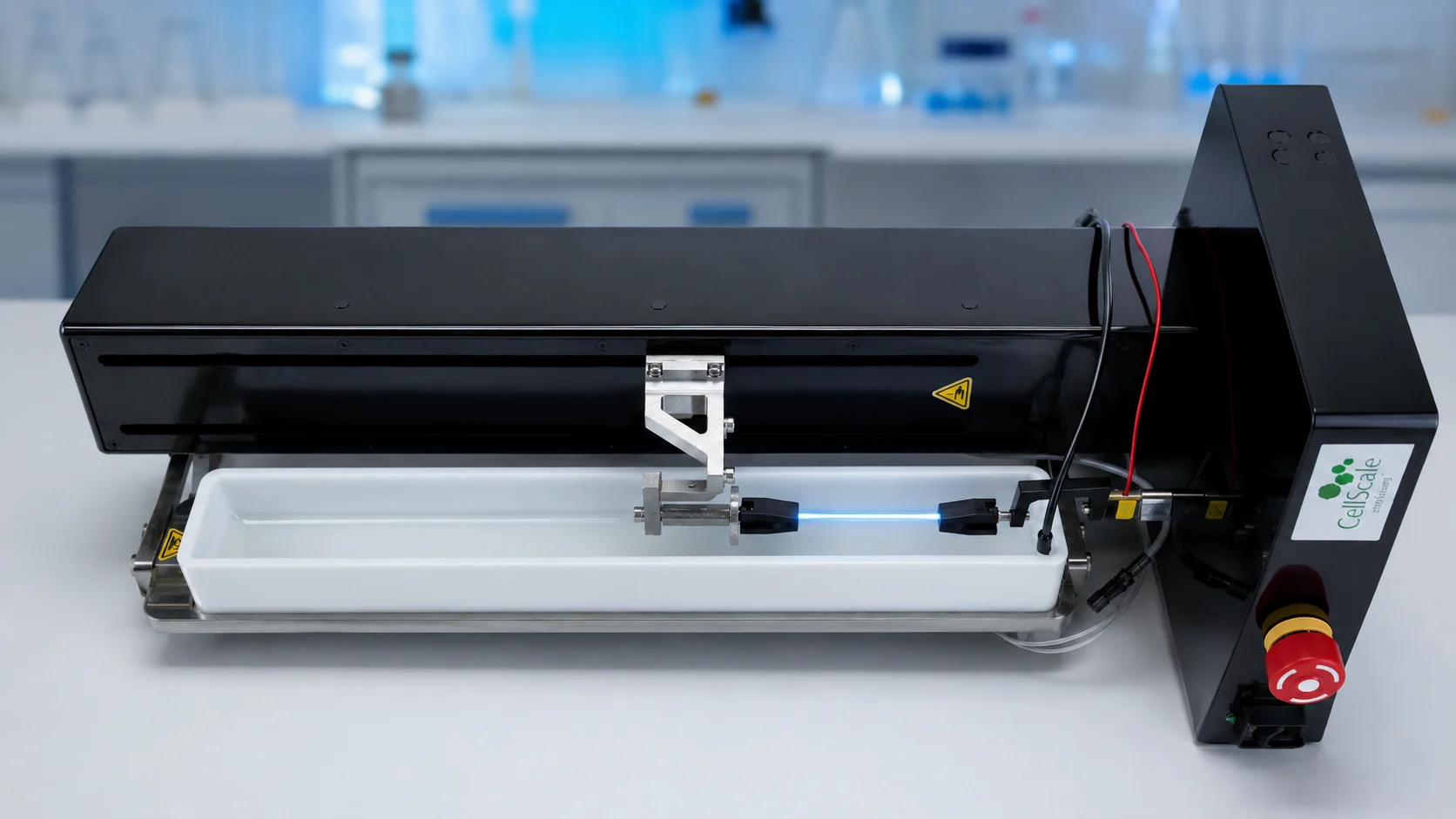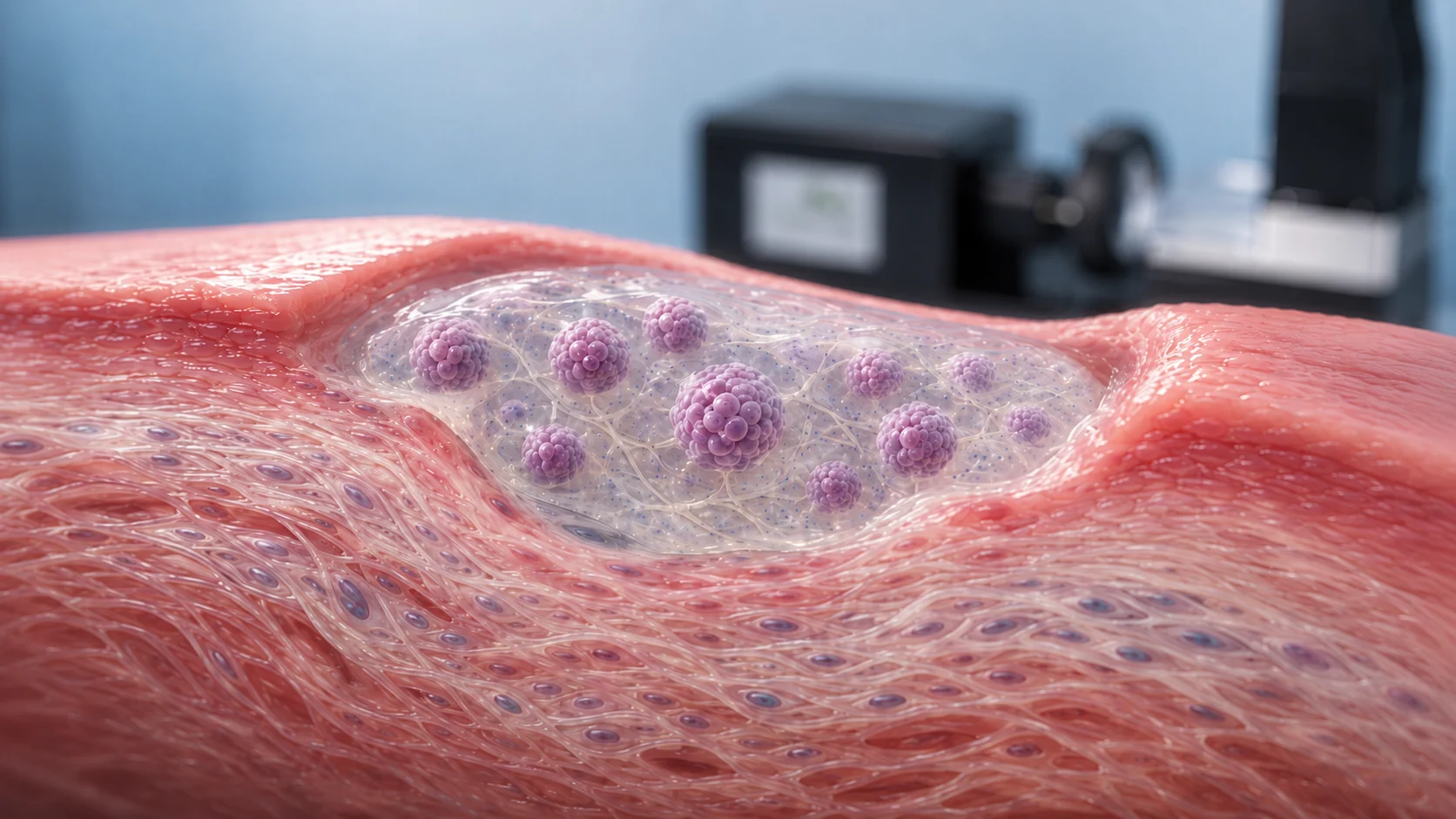



In the last year alone, CellScale systems have been used in peer-reviewed publications from 45 different countries (and counting). Biomechanics labs, tissue engineering groups, materials science teams, and classroom teaching labs around the globe are using our biomechanical testing instruments to answer complex questions about how tissues, cells and materials respond to mechanical forces.

If you’re curious what companies and institutions are using CellScale products where you live, just reach out. We’re always happy to share examples and connect you with researchers working in similar areas.
A Global Footprint in Cutting-Edge Research
Our customers are doing high-impact work across every continent. Below are representative, peer-reviewed examples of how CellScale instruments are being used around the world in key biomechanics, biomaterials, and mechanobiology application areas.
North America
Cardiac and vascular mechanobiology
Right Ventricular Stiffening and Function Are Associated With Extracellular Matrix Remodeling in Pulmonary Arterial Hypertension — Arteriosclerosis, Thrombosis, and Vascular Biology (2025)
Human heart-on-a-chip model emulates structural and functional characteristics of diastolic dysfunction and reveals a beneficial role for senolytics — Acta Biomaterialia (2025)
Soft tissue and spinal biomechanics
Mechanical Age-Related Differences in the Human Cadaveric Annulus Fibrosus Under Multiaxial Loading — Journal of the Mechanical Behavior of Biomedical Materials (2025)
An Investigation of the Mechanism of Adjacent Segment Disease Under Cyclic Loading Using a Human Cadaveric Spine Model — Clinical Biomechanics (2025)
Advanced biomaterials development
Design of MOF/Soja-Based Resin Scaffolds by 3D Resin Printing for Enhanced Mechanical Performance — MRS Advances (2025)
Expandable Microspheres Transform 2D Electrospun Mats into 3D Architected Scaffolds — Macromolecular Rapid Communications (2025)
Europe
Oral and dental tissue engineering
Modeling the Effects of Cyclical Masticatory Forces in a 3D Oral Tissue Model — Tissue Engineering Part C: Methods (2025)
From Bench to Chairside: Collagen Scaffolds in Combination with Mesenchymal Stromal Cells for Oral Tissue Engineering — Dentistry Journal (2025)
Climate change biology
Investigating Temperature Influences on Shell Growth and Mechanical Integrity in Marine Calcifiers — Faraday Discussions (2025)
Wound healing and fibrosis
Substrate stiffness modulates phenotype-dependent fibroblast contractility and migration independent of TGF-β stimulation — Mechanobiology in Medicine (2025)
- Antimicrobial Effect of Nitric Oxide Releasing Hydrogels on Staphylococcus Aureus Derived Proteases — Advanced Materials Interfaces (2023)
Asia
- Soft robotics
- Soft Magnetic Artificial Muscles with High Work Density and Actuation Strain via Dual Cross-Linking Design — Advanced Functional Materials (2025)
- Coconut pollen paper soft actuator: tunable shape morphism driven by vapor — Soft Matter (2025)
Bioelectronics and smart materials
- Semipermeable Membrane-Mediated Hydrogen Bonding Interface for Fabricating High-Performance Pure PEDOT:PSS Hydrogels — Advanced Materials (2025)
Isotropic conductive paste for bioresorbable electronics — Materials Today Bio (2023)
Cancer microenvironment mechanics
- Fatty Acid Metabolism Regulators Have Pivotal Roles in the Pathogenesis of Ovarian Carcinoma — International Journal of Molecular Sciences (2025)
- 3D Spheroid Configurations Are Possible Indicators for Evaluating the Pathophysiology of Melanoma Cell Lines — Cells (2023)
Oceania
Cartilage tissue engineering
- Photo-Cross-Linkable, Injectable, and Highly Adhesive GelMA-Glycol Chitosan Hydrogels for Cartilage Repair — Advanced Healthcare Materials (2023)
- Flexible 3D Printed Microwires and 3D Microelectrodes for Heart-on-a-Chip Engineering — Biofabrication (2023)
Neuroscience and biomaterials mechanics
- 3D Printed Mesh Geometry Modulates Immune Response and Interface Biology in Mouse and Sheep Model: Implications for Pelvic Floor Surgery — Advanced Science (2025)
- Surface bio-engineering of melt electrowritten tubular scaffolds via plasma immersion ion implantation (PIII) — Materials Today Bio (2025)
Bioadhesives and tendon mechanics
- GelMA-Glycol Chitosan Hydrogels for Cartilage Regeneration: The Role of Uniaxial Mechanical Stimulation in Enhancing Mechanical, Adhesive, and Biochemical Properties — APL Bioengineering (2023)
- Biomechanical Uniaxial Analysis of Porcine Tendon in the CellScale BioTester® 5000 — Journal of Interdisciplinary Medicine (2023)
Africa
3D printing and bone tissue engineering
- A 3D-Printed Biomaterial Scaffold Reinforced with Inorganic Fillers for Bone Tissue Engineering: In Vitro Assessment and In Vivo Animal Studies — International Journal of Molecular Sciences (2023)
Green materials and bioregenerative models
Fuel cell materials and polymer electrolyte membranes
South America
Cartilage mechanobiology
Mechanical Stimulation in 2D: A Potent Accelerator of Matrix Production by Chondrocytes — Journal of Orthopaedics (2025)
Tissue engineering and scaffold fabrication
Electrospun Polyacrylonitrile-Based Scaffolds Reinforced with Bioactive Fillers for Bone Tissue Regeneration — ACS Applied Polymer Materials (2025)
Effect of Gelatin Coating and GO Incorporation on the Properties and Degradability of a Biodegradable Scaffold — Polymers (2024)
Hypoxia modeling and mechanobiology
Characterization of mechanical damage and viscoelasticity on aortas from guinea pigs subjected to hypoxia — Scientific Reports (2025)
Supporting the Next Generation of Scientists

Our biomechanical testing instruments aren’t just found in research labs; they’re also being integrated into classrooms, teaching labs, and courses around the world. Educators use CellScale systems to:
Demonstrate fundamental principles of mechanics and material behavior
Provide hands-on training in experimental design and data analysis
Prepare students for careers in biomechanics, biomedical engineering, and materials science
By giving students direct experience with the same tools used in cutting-edge research, institutions help bridge the gap between theory and real-world experimentation. We even have curriculum developed for educators!
Tools for Every Researcher, Everywhere
Whether you’re working with soft tissues, engineered scaffolds, hydrogels, biomaterials, living cells, or anything related, CellScale offers:
Biomechanical testing instruments and systems for tension, compression, shear, and more
Cell and tissue stimulation platforms to apply precise mechanical loading in vitro
Educational tools designed for teaching labs and training environments
Custom solutions tailored to unique applications and experimental setups
Every instrument is backed by lifetime technical support, so you can focus on your science while we help you get the most out of your system.
See Our Instruments
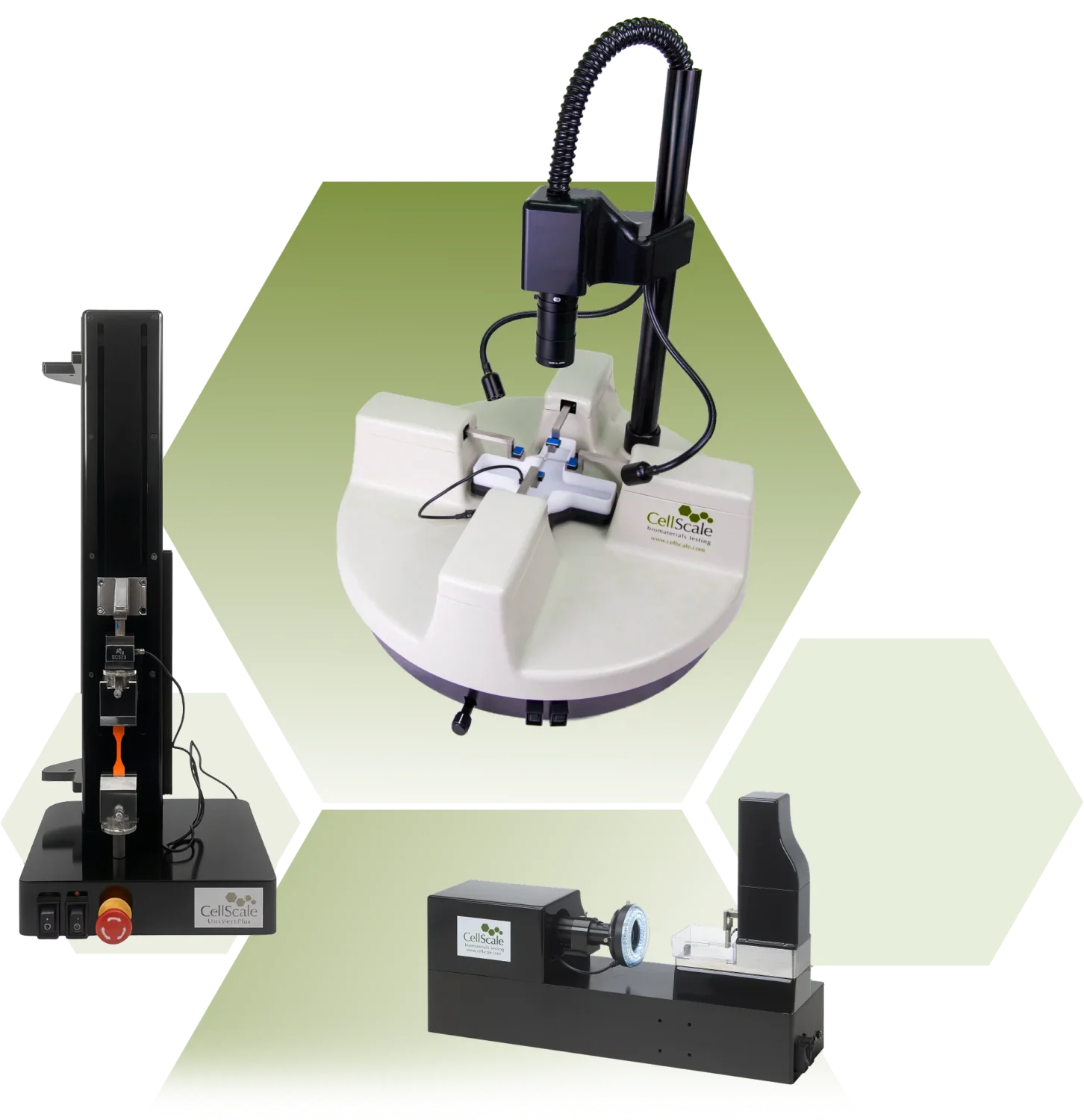
Ready to see which system is right for your lab or classroom?
Or contact us to learn which institutions near you are using CellScale products and how they’re applying biomechanical testing instruments to advance their research.