

Cancer Mechanobiology
and Tumour Biomechanics

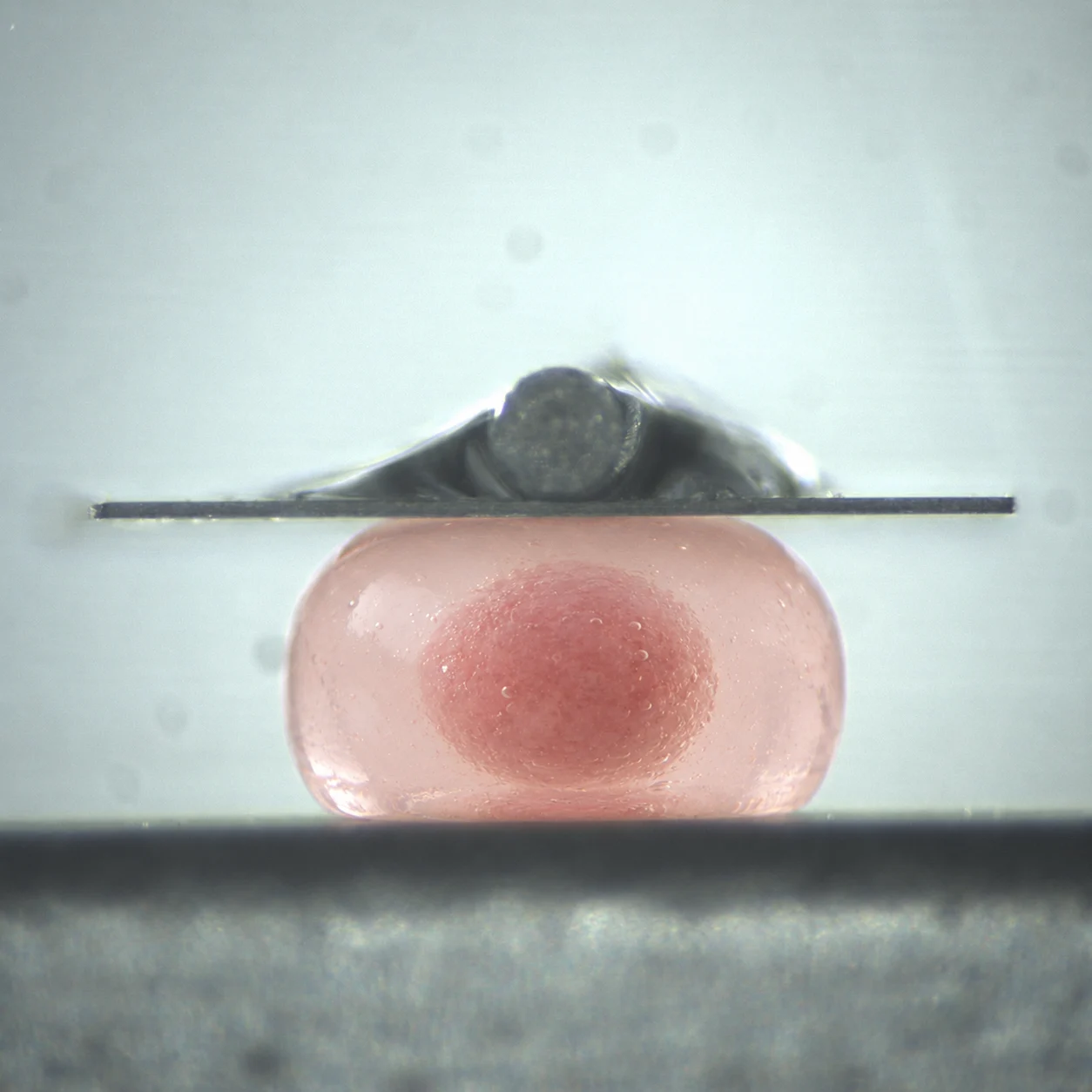
Overview of Cancer Mechanobiology
Cancer mechanobiology examines how physical forces and mechanical properties influence tumour development, progression, and treatment response. Beyond genetic and biochemical signaling, mechanical cues such as stiffness, confinement, and matrix resistance strongly regulate cancer cell behaviour.
- Changes in tumour stiffness and ECM architecture are closely linked to:
Mechanical testing provides direct, quantitative insight into how cancer cells interact with their physical environment in both in vitro disease models and engineered tumour microenvironments.

Why Mechanical Testing Is Critical in Cancer Research
Mechanical characterization enables researchers to:
- Quantify stiffness differences between healthy and malignant tissues
- Measure mechanical properties of tumor spheroids and microtissues
- Assess viscoelastic relaxation associated with tumor growth
- Evaluate mechanical confinement and compression-driven invasion
- Study stiffness-dependent drug response and mechanotherapeutic strategies
- Compare primary versus metastatic cancer cell mechanics
- Engineer tumor models with physiologically relevant stiffness
By integrating mechanical data with biological and pharmacological readouts, researchers gain a more complete understanding of tumour behaviour and therapeutic efficacy.
CellScale Instruments for Cancer Mechanobiology Research
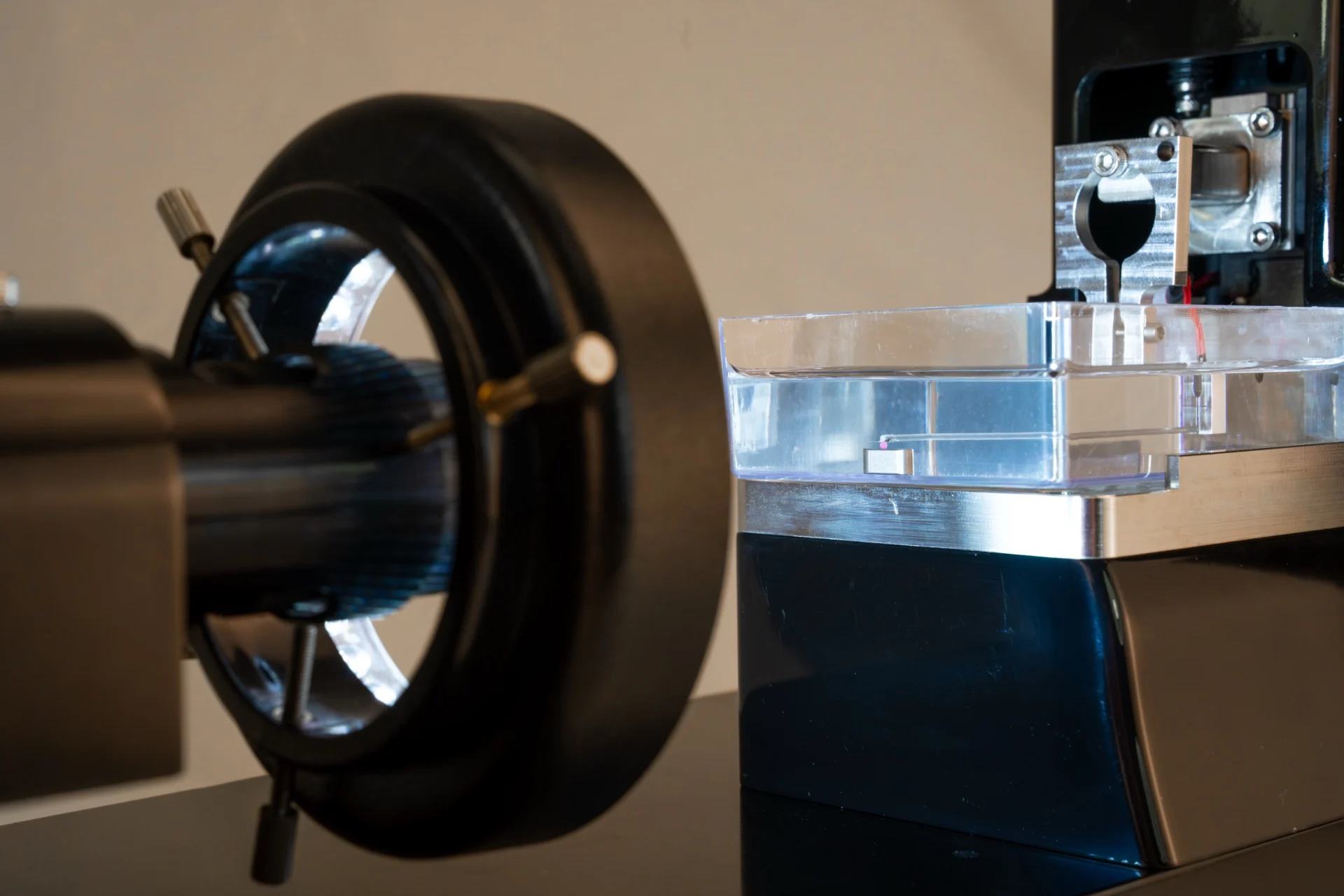
MicroTester
High-resolution micro-indentation, compression, and tensile testing of tumour spheroids, organoids, microtissues, and engineered tumour constructs. Ideal for measuring tumour stiffness and mechanical heterogeneity.
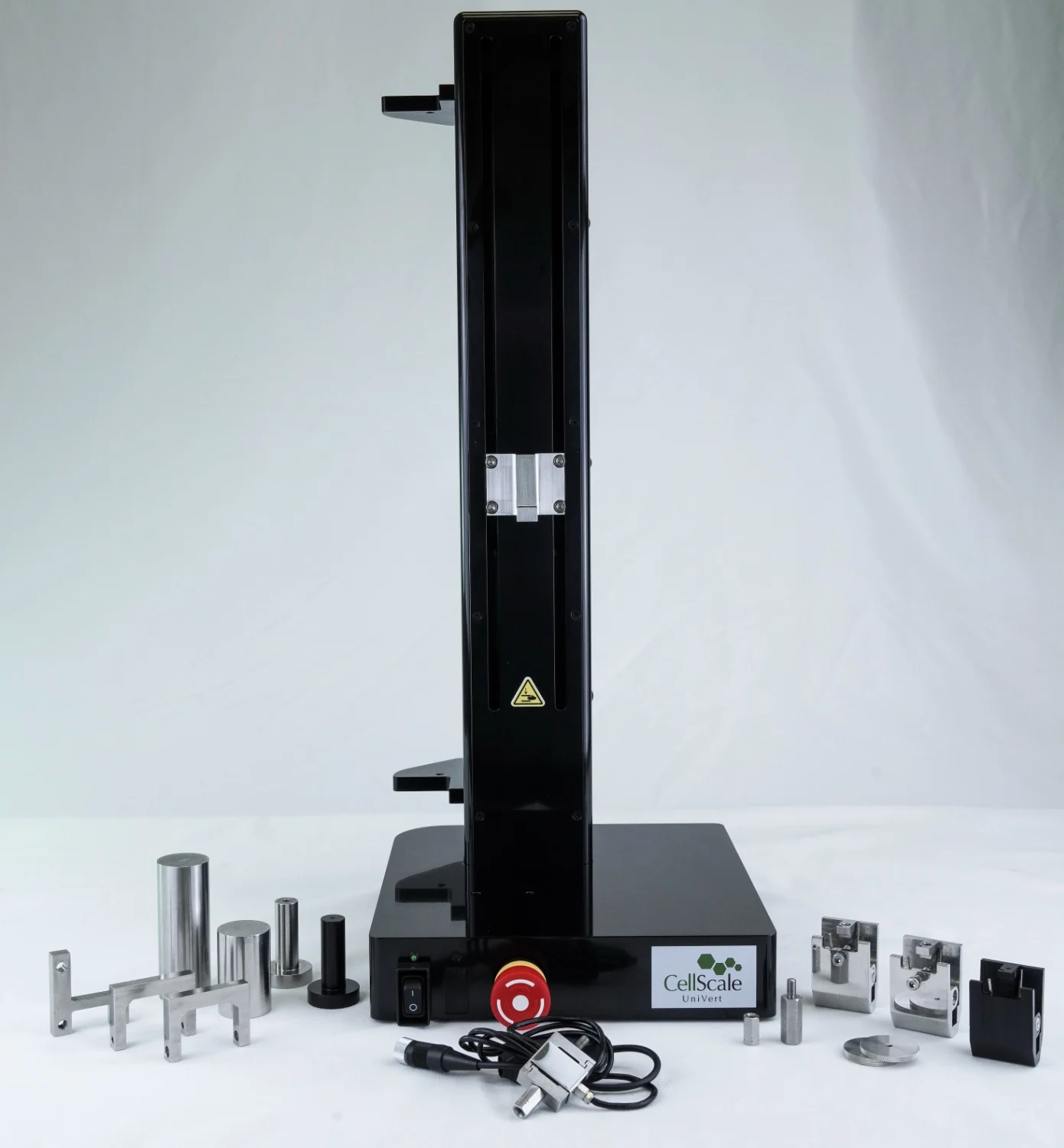
UniVert
Tensile and compression testing of bulk tumour constructs, tumour-laden hydrogels, and stiffer engineered matrices used in cancer modeling.
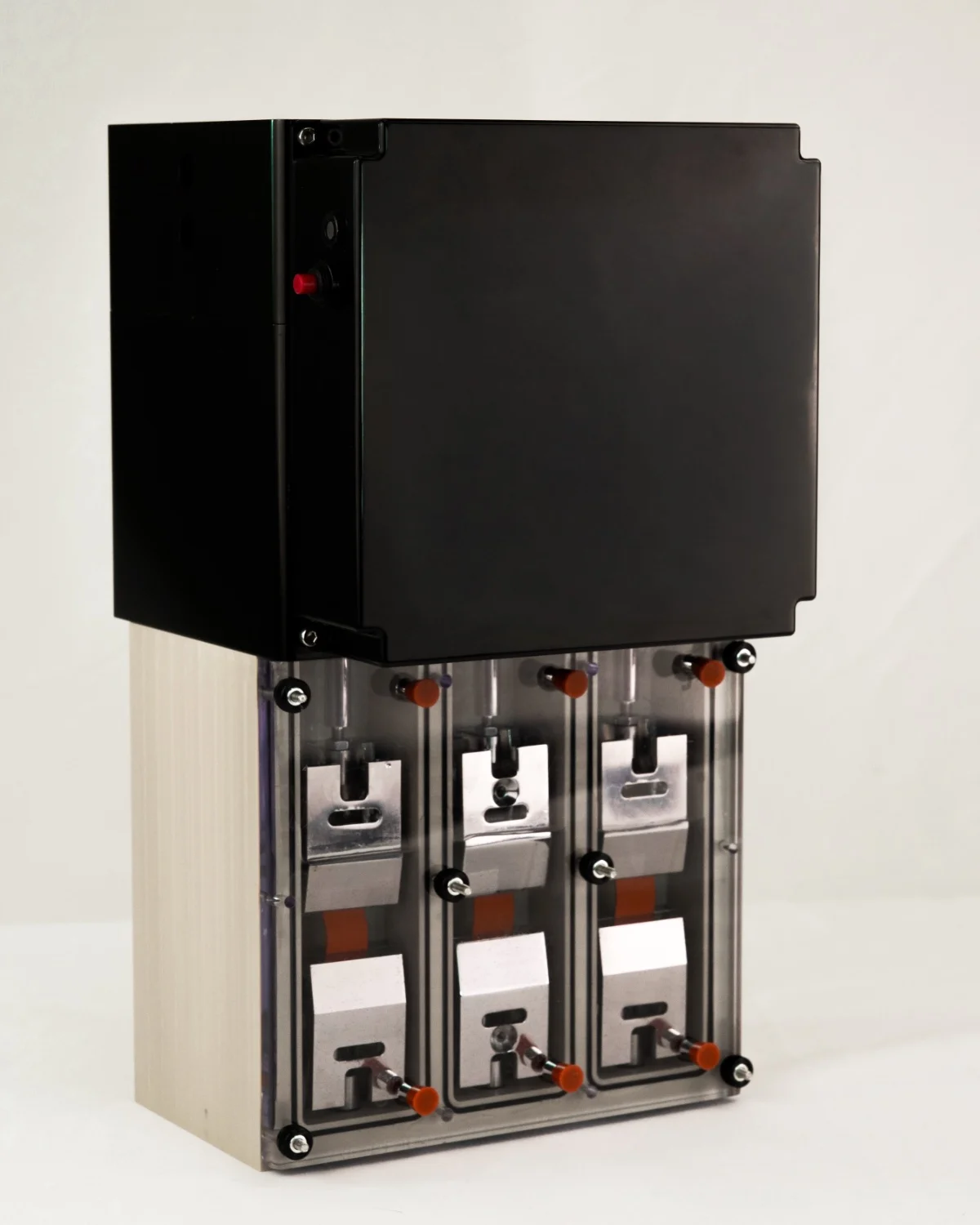
MechanoCulture J1
Applies uniaxial cyclic stretch stimulation to cancer cells in culture, enabling controlled, repeatable loading for metabolomic and gene-expression studies.
Testing Methods Relevant to Cancer Mechanobiology
Indentation Testing
Maps regional stiffness within tumour spheroids and heterogeneous tumour constructs
Compression Testing
Evaluates bulk mechanical behaviour of microtumours and organoids
Tensile Testing
Characterizes integrity of tumour-laden hydrogels and ECM scaffolds
Creep Testing
Quantifies time-dependent deformation to assess mechanical stability over time
Biaxial Testing
Assesses planar tumour–matrix interactions
Common Sample Types in Cancer Mechanobiology
Tumour Spheroids and Microtissues
- Breast, colorectal, glioma, and melanoma spheroids
- Metastatic versus primary tumour spheroids
- Co-culture spheroids with stromal or immune cells
Engineered Tumour Microenvironments
- Hydrogel-embedded tumor constructs
- Collagen and fibrin-based tumor matrices
- Stiffness-gradient models for invasion studies
Cell-Based Mechanical Models
- Cancer cell monolayers under stretch or confinement
- Viscoelastic mapping of drug-treated cells
- Patterned and microfabricated tumour systems
Featured Research Highlights in Cancer Mechanobiology & Cancer Cell Mechanics

Advance Your Cancer Mechanobiology Research
CellScale systems provide precise mechanical testing for tumour spheroids, engineered tumour microenvironments, and in vitro cancer models. Contact our team to configure the ideal solution for your cancer mechanobiology research.
