

Stem Cell Mechanobiology
and Mechanical Microenvironment Research

Overview of Mechanical Regulation in Stem Cell Biology
Stem cells are highly sensitive to their mechanical microenvironment.
- Matrix stiffness, deformation, adhesion forces, and mechanical gradients influence:
Engineered matrices and mechanical loading systems are valuable tools for studying how physical cues guide stem cell fate decisions.
Mechanical characterization supports research into optimal stiffness ranges for differentiation, viscoelastic and time-dependent microenvironments, mechanical heterogeneity in developmental models, cell-mediated matrix remodeling, and mechanical regulation of organoid or tissue maturation.

Importance of Mechanical Testing for Stem Cell Mechanobiology
Mechanical testing enables researchers to:
- Tailor substrate stiffness for directed stem cell differentiation
- Evaluate hydrogel remodeling caused by stem cell activity
- Apply physiologic stretch or compression to mimic in vivo development
- Quantify how stem cells alter matrix structure over time
- Evaluate mechanical changes associated with tissue maturation
- Study mechanotransduction thresholds and response curves
- Compare materials for stem cell culture and engineered tissue formation
The ability to accurately control mechanical variables is essential for reproducible and mechanistically informative stem cell studies.
Recommended CellScale Instruments for Stem Cell Mechanical Testing Research
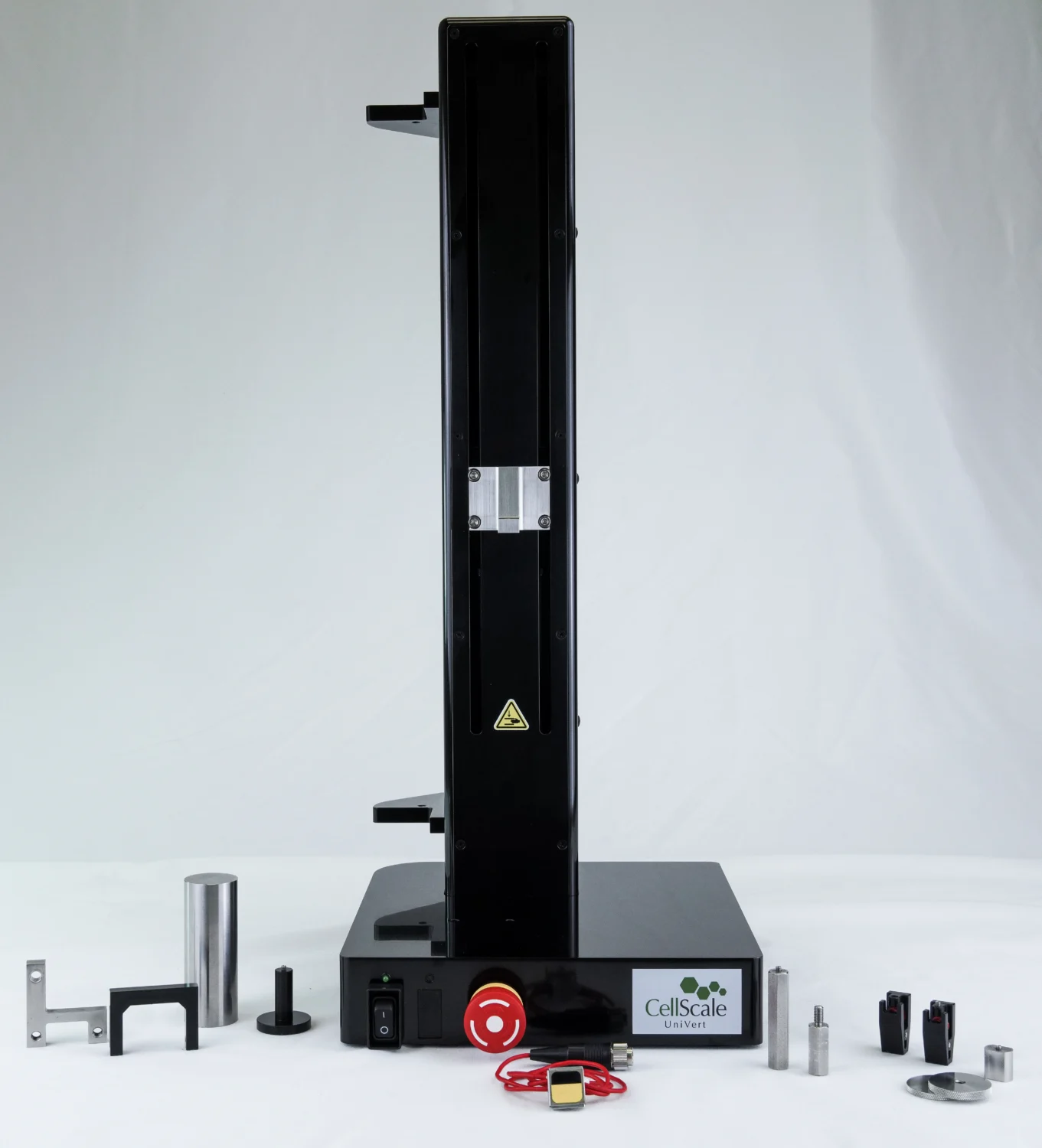
UniVert
Used for stiffness measurement of larger stem cell-derived constructs and mechanically maturing engineered tissues.
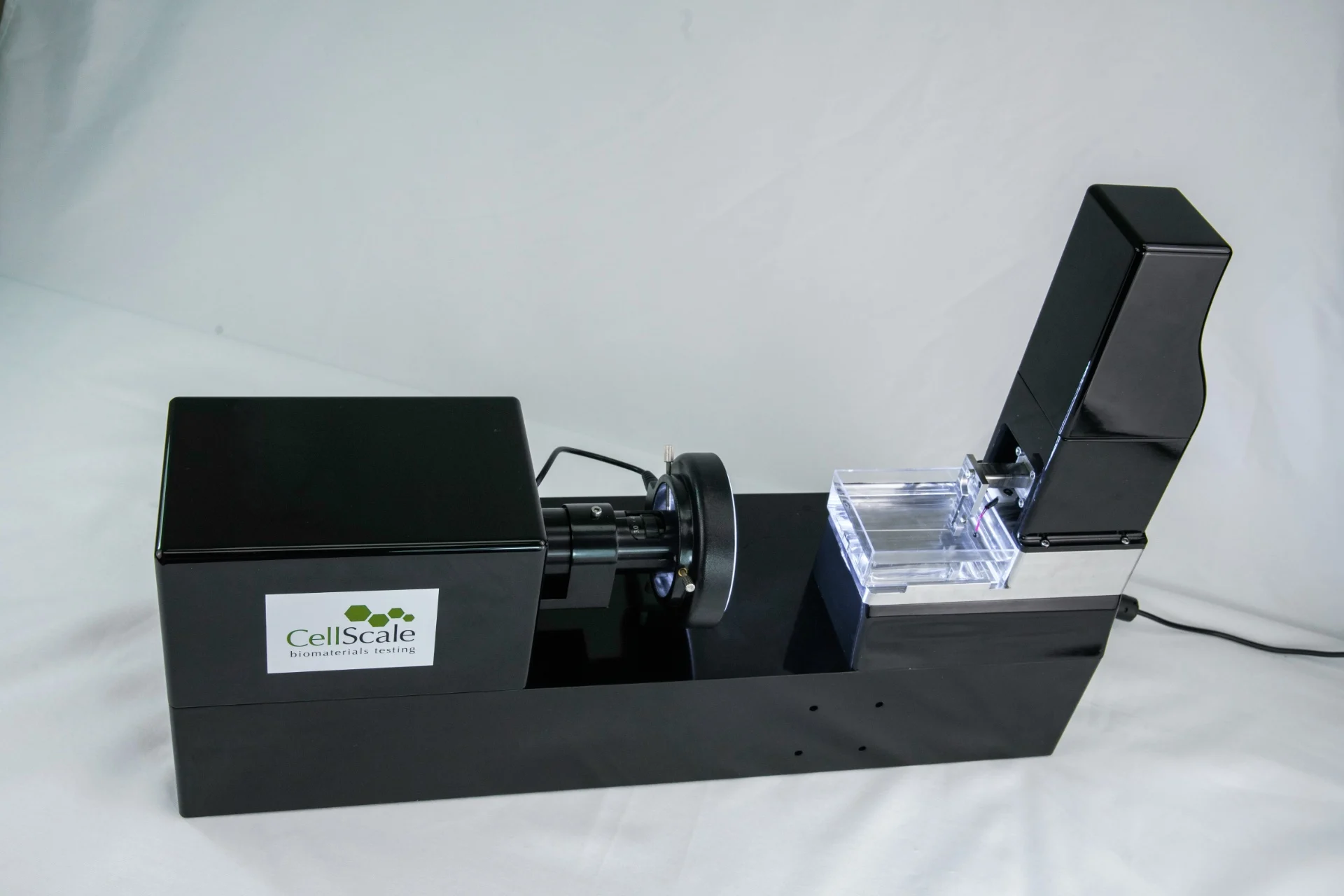
MicroTester
Ideal for micro-indentation, micro-compression, and tensile testing of stem cell laden hydrogels, organoid precursors, and engineered microtissues.
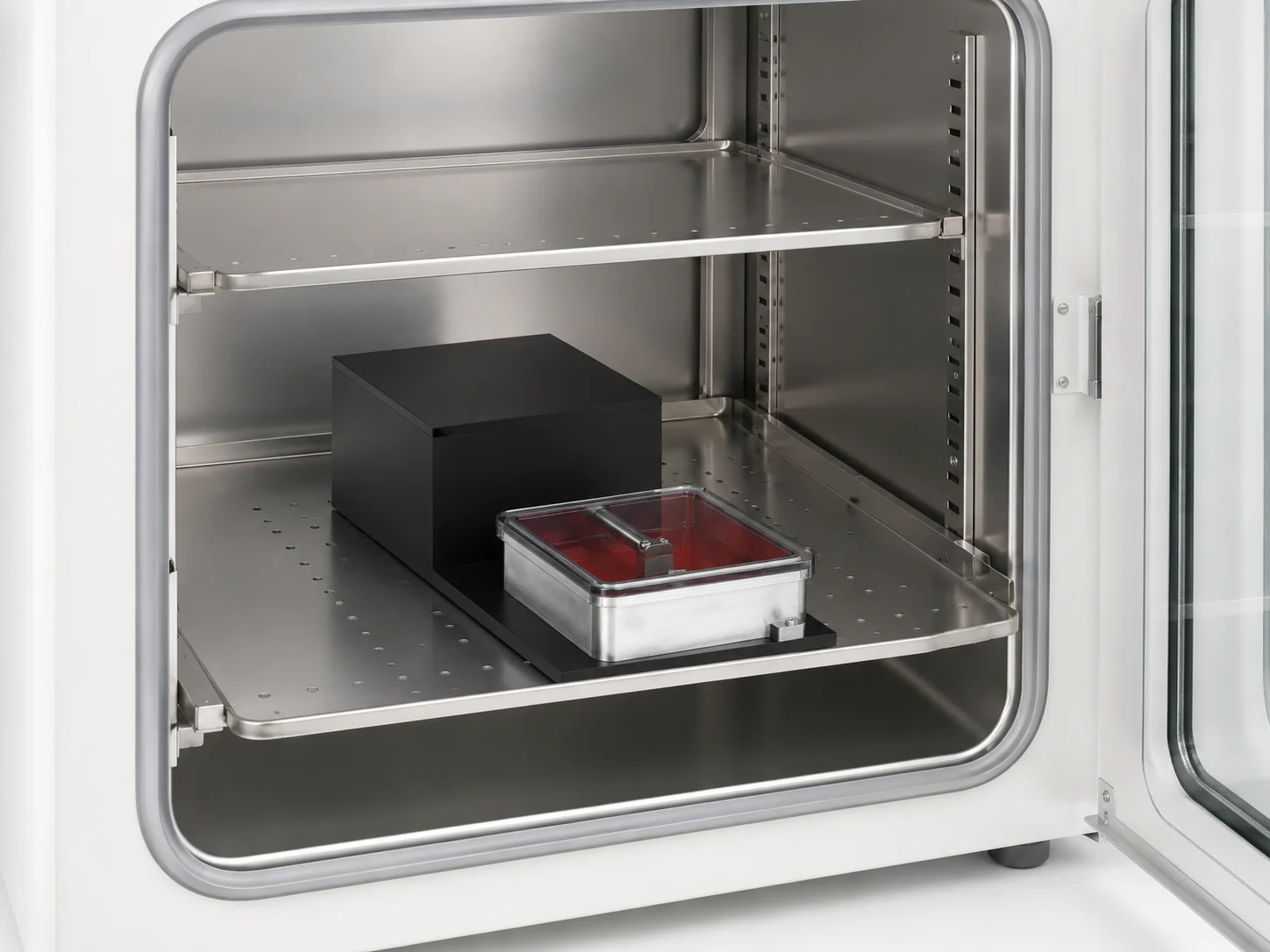
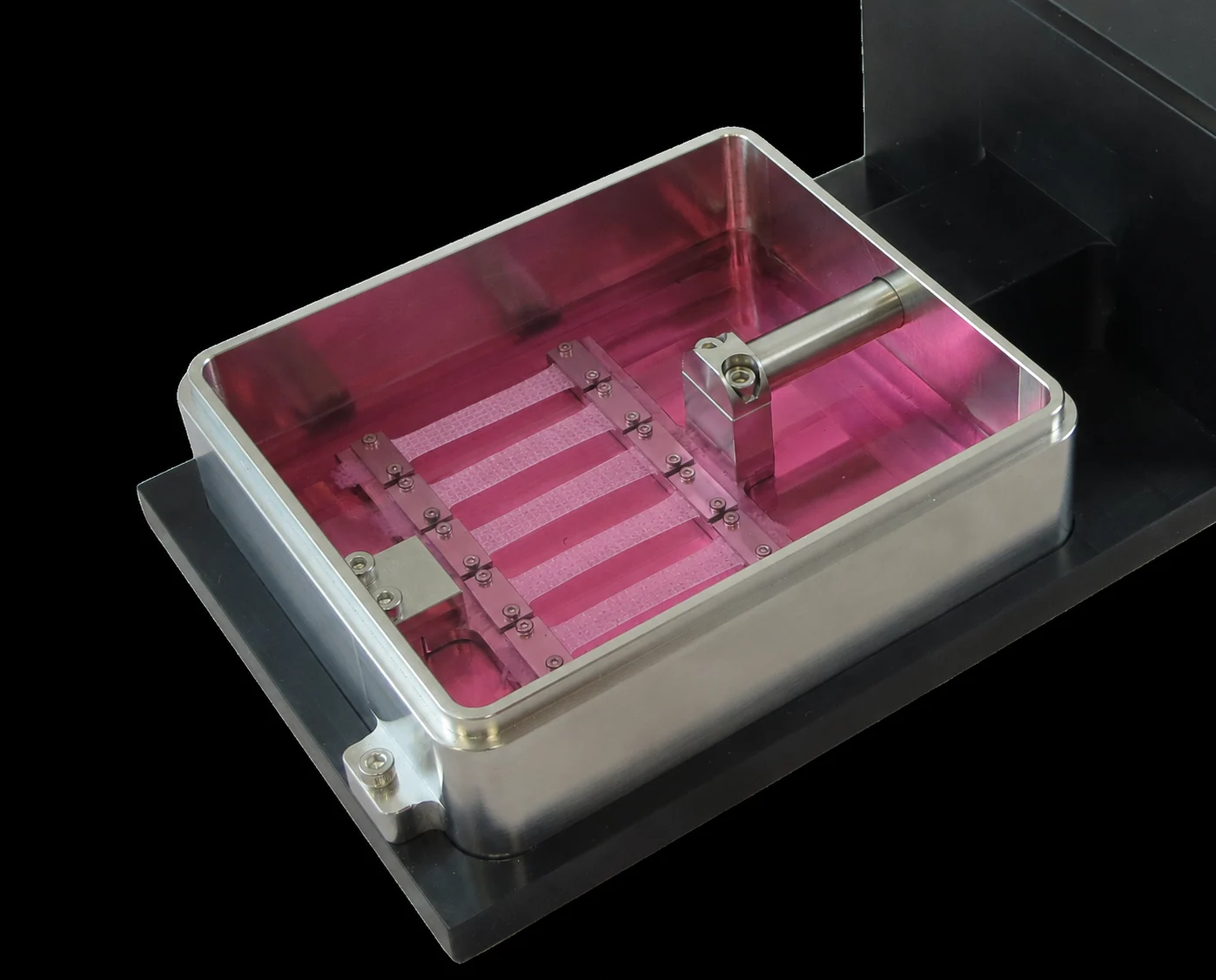
MechanoCulture T6
Applies controlled strain to cells and tissues in culture to study tension-driven responses.
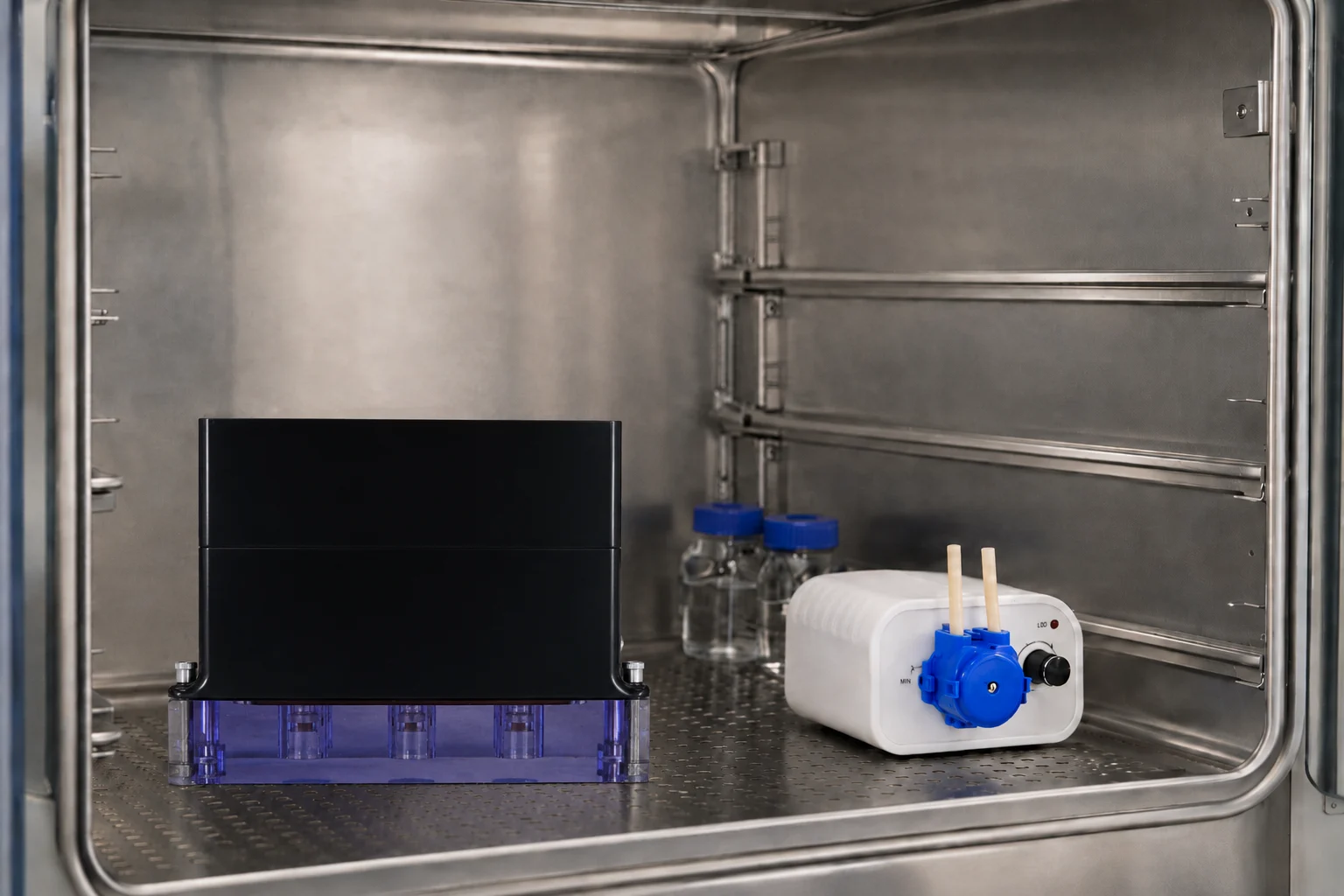
MechanoCulture TX
Applies controlled mechanical compression to cells and tissues in culture to study stiffness-driven responses.
Testing Methods Relevant to Stem Cell Mechanobiology
Quantifies local stiffness in evolving hydrogel environments
Evaluates bulk modulus changes during remodeling
Characterizes engineered tissue development
Measures time-dependent stress dissipation in stem cell matrices
Measures force generation or deformation by microtissues
Representative Sample Types
2D stem cell mechanobiology substrates
- Tunable stiffness hydrogel surfaces
- Stretchable membranes coated with ECM proteins
- Micropatterned or gradient stiffness surfaces
3D stem cell systems
- Stem cell laden hydrogels
- Organoid precursors and developing tissue models
- Engineered microtissues for lineage specific development
Maturing engineered tissues
- Cardiac, musculoskeletal, or neural constructs derived from stem cells
- Composite tissues incorporating multiple stem cell types
- Mechanically conditioned tissues using stretch systems
Relevant Peer-Reviewed Publications in Stem Cell Mechanobiology

Advance Your Stem Cell Mechanobiology Research
CellScale systems provide precision control of mechanical cues that guide stem cell fate, tissue development, mechanosensitive differentiation, and mechanical microenvironment. Contact our team to identify the ideal testing configuration for your study.
