

Fatigue Testing
Cyclic Mechanical Loading of Soft Materials

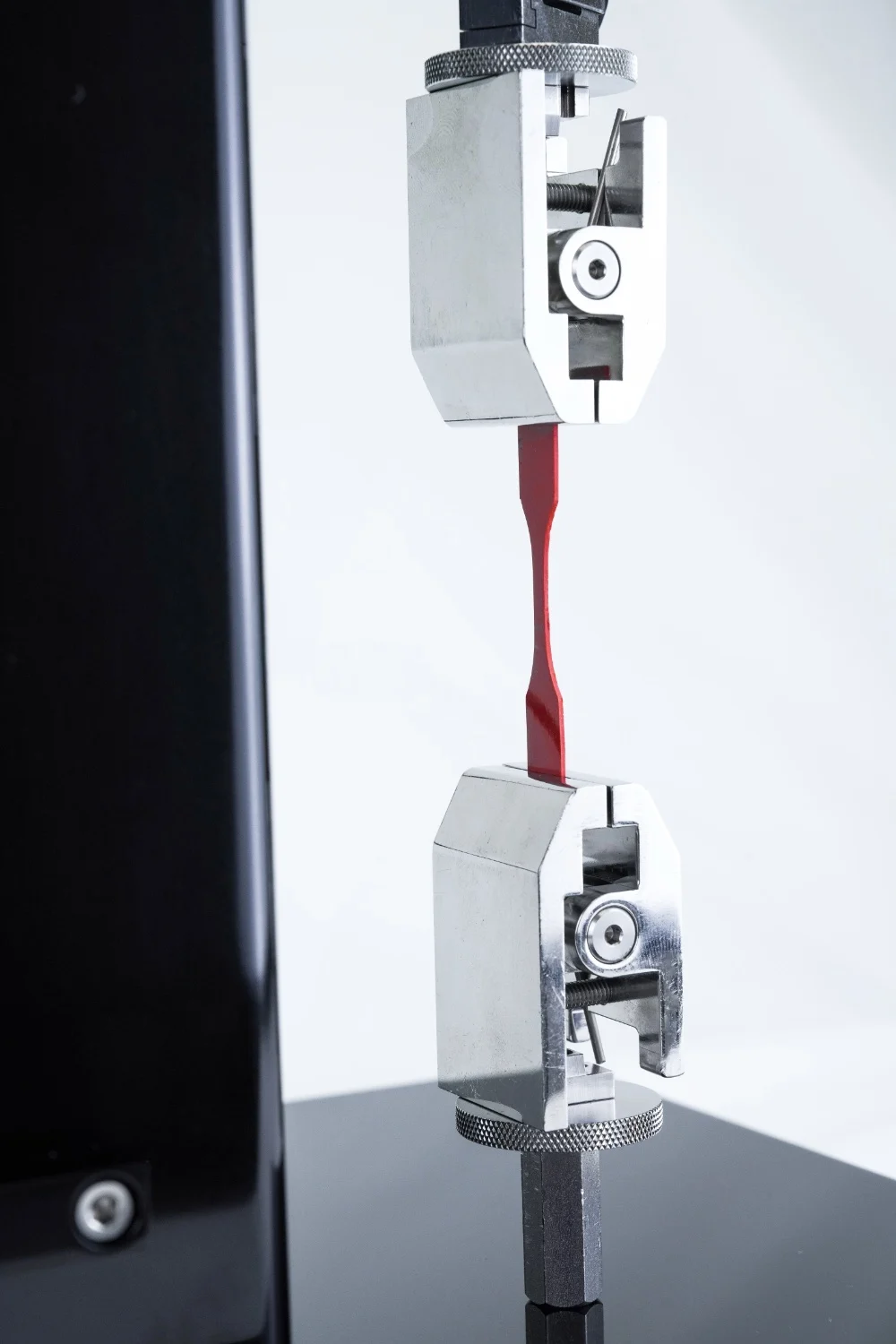
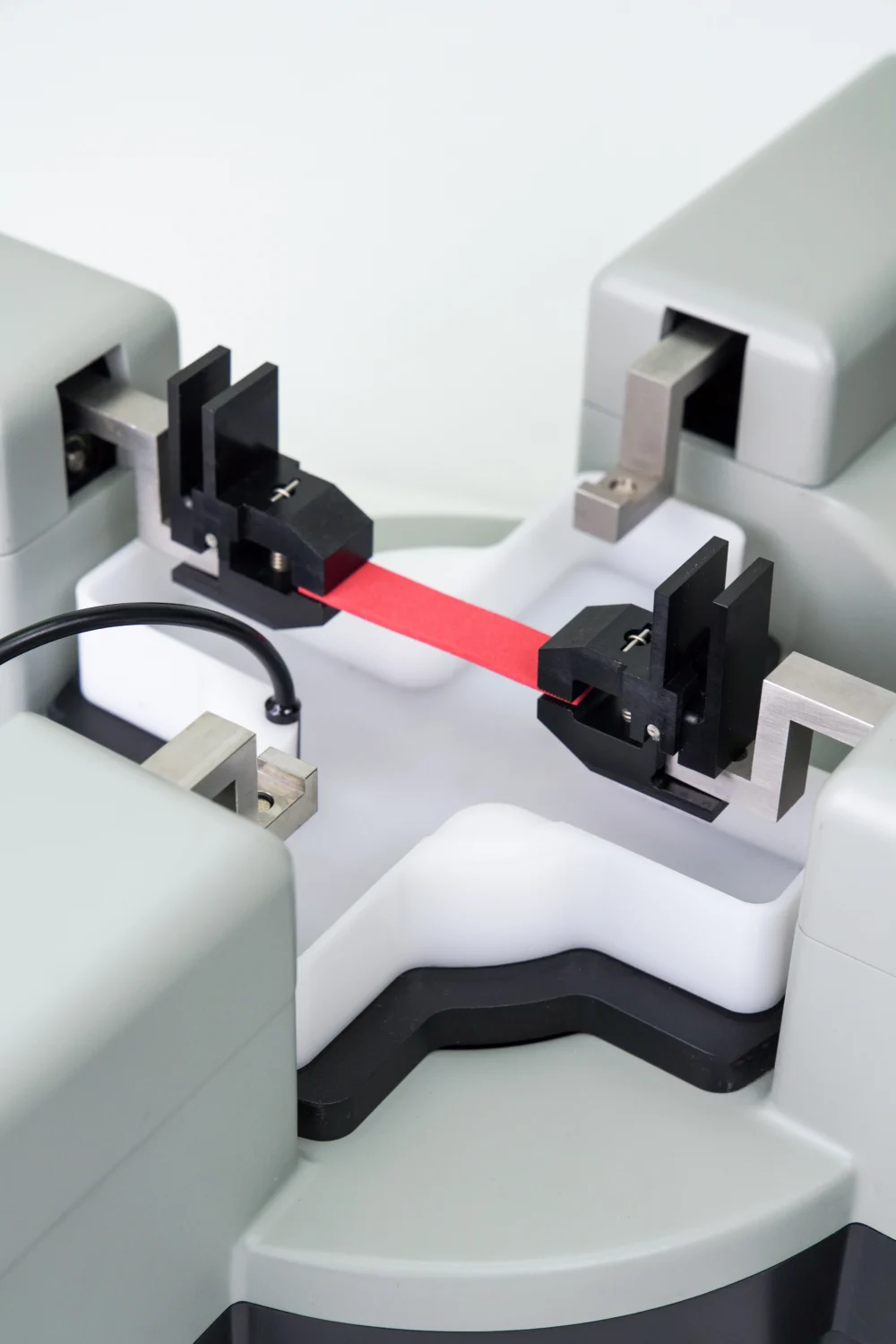
Fatigue testing evaluates how soft tissues, hydrogels, and biomaterials respond to repeated mechanical loading over time. Many biological and engineered materials experience thousands to millions of loading cycles during normal use. Fatigue testing reveals how stiffness, strength, and structural integrity change with repeated deformation and helps predict long-term performance and failure. These experiments are a core form of cyclic mechanical testing used to evaluate durability under repeated loading.

What Fatigue Testing Measures
Fatigue testing characterizes damage accumulation and mechanical degradation under cyclic loading.
Measurement Examples
- Changes in stiffness over loading cycles
- Accumulation of permanent deformation
- Fatigue life and cycles to failure
- Energy dissipation and hysteresis
- Crack initiation and propagation
- Viscoelastic changes during cycling
- Recovery behaviour after cyclic loading
Fatigue testing captures mechanical behaviour that cannot be assessed with single cycle tests alone.
Fatigue Testing in Biomaterials Research
Fatigue testing of soft materials is essential in biomedical research, where compliant tissues and hydrogels undergo repeated deformation in physiologic environments. Fatigue testing is critical for understanding:
- Durability of engineered tissues
Engineered constructs must maintain mechanical function under repeated physiologic loading.
- Hydrogel and scaffold longevity
Hydrogels used in load bearing or cyclic environments can degrade over time due to repeated deformation.
- Soft tissue biomechanics
Tendons, ligaments, cardiovascular tissues, and cartilage are exposed to continuous cyclic loading in vivo.
- Medical device material evaluation
Flexible polymers and elastomers used in implants or wearable devices must resist fatigue induced failure.
- Mechanobiology under dynamic loading
Cyclic mechanical cues influence cell behaviour, matrix remodeling, and tissue maturation.
Common Sample Types for Fatigue Testing
- Engineered tissues and scaffolds
- Hydrogels and viscoelastic polymers
- Tendon and ligament samples
- Cartilage and meniscus tissues
- Cardiac and vascular tissues
- Soft elastomers and polymers
- Micro-scale constructs and fibres
- Membranes and thin films
How a Fatigue Test Works
Fatigue testing applies repeated loading cycles using force or displacement control.
Cyclic Tensile Testing
Cyclic tensile testing repeatedly stretches specimens to simulate physiologic or functional loading conditions experienced in vivo.
Cyclic Compression Testing
Cyclic compression testing is used for tissues and biomaterials that experience repetitive compressive loading during normal function.
Variable Amplitude and Frequency Loading
Fatigue tests can be designed with different amplitudes, frequencies, and waveforms.
Long Duration Testing
Fatigue protocols may run for hours or days to capture progressive damage accumulation.
Hydrated and Temperature-Controlled Fatigue Testing
Biological samples can be tested in fluid (i.e., media baths) and at physiologic temperature to maintain native behaviour.
Recommended CellScale Instruments for Fatigue Testing
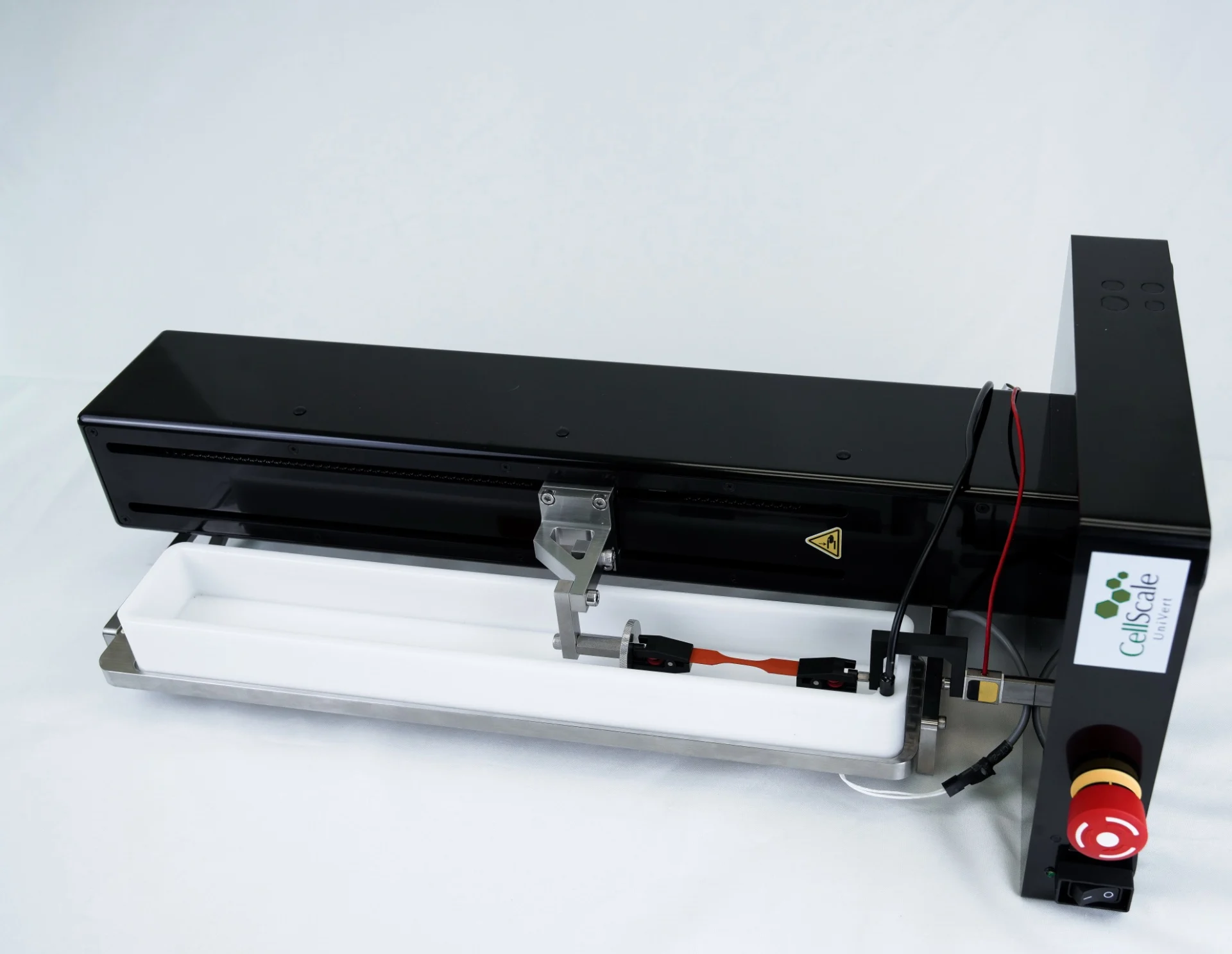
Many CellScale systems support fatigue testing under controlled cyclic loading to evaluate durability, damage accumulation, and long-term mechanical performance.
UniVert
BioTester
MechanoCulture TX
Relevant Research Applications
Biomaterial fatigue testing supports research across:
Recent Publications Using Fatigue Testing
Related Testing Methods
Fatigue testing is commonly combined with foundational mechanical tests.
Ready to Perform Fatigue Testing?
CellScale instruments provide controlled fatigue testing solutions for soft tissues, hydrogels, and engineered biomaterials.