

Viscoelastic Testing and Time Dependent Mechanics
of Soft Materials

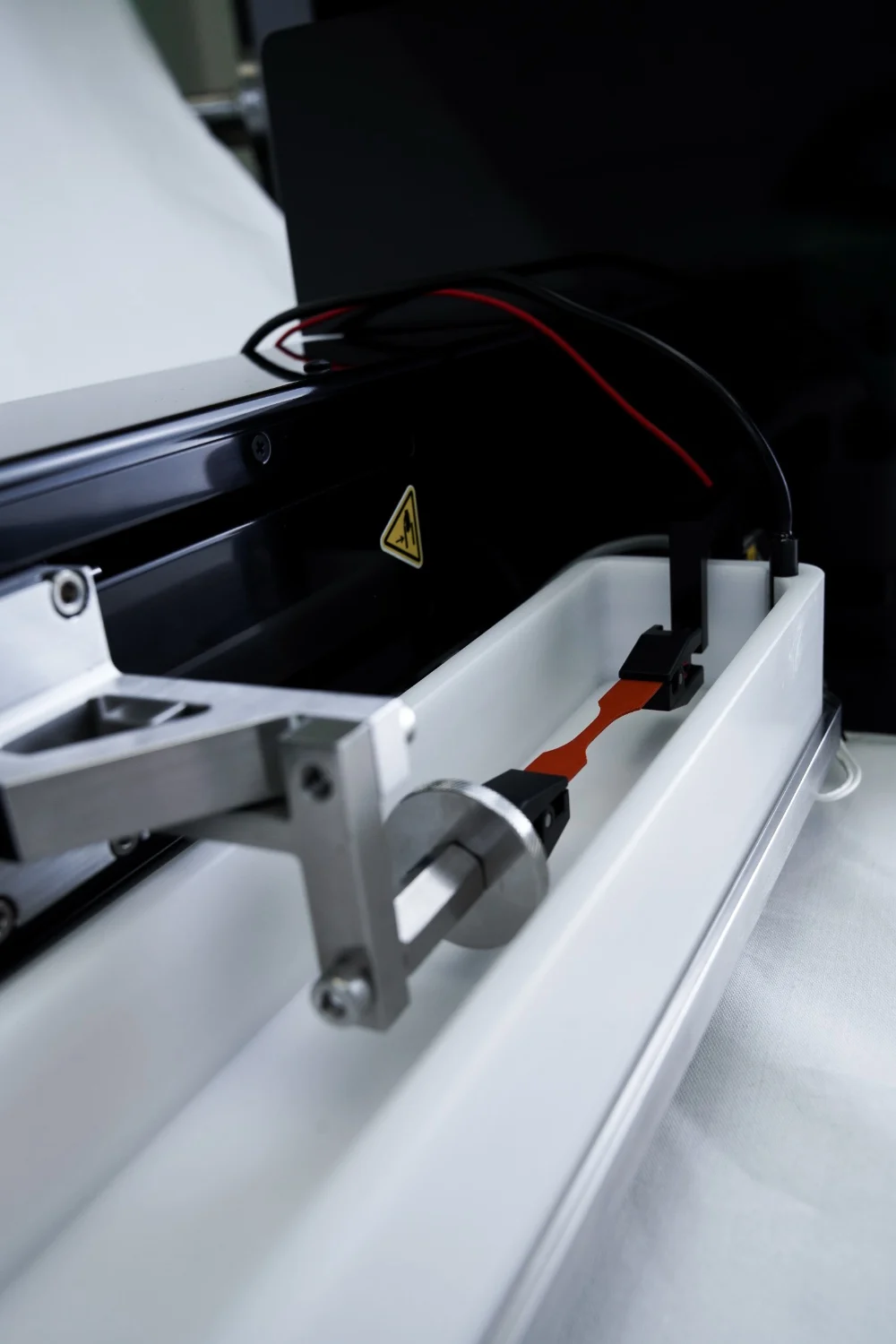
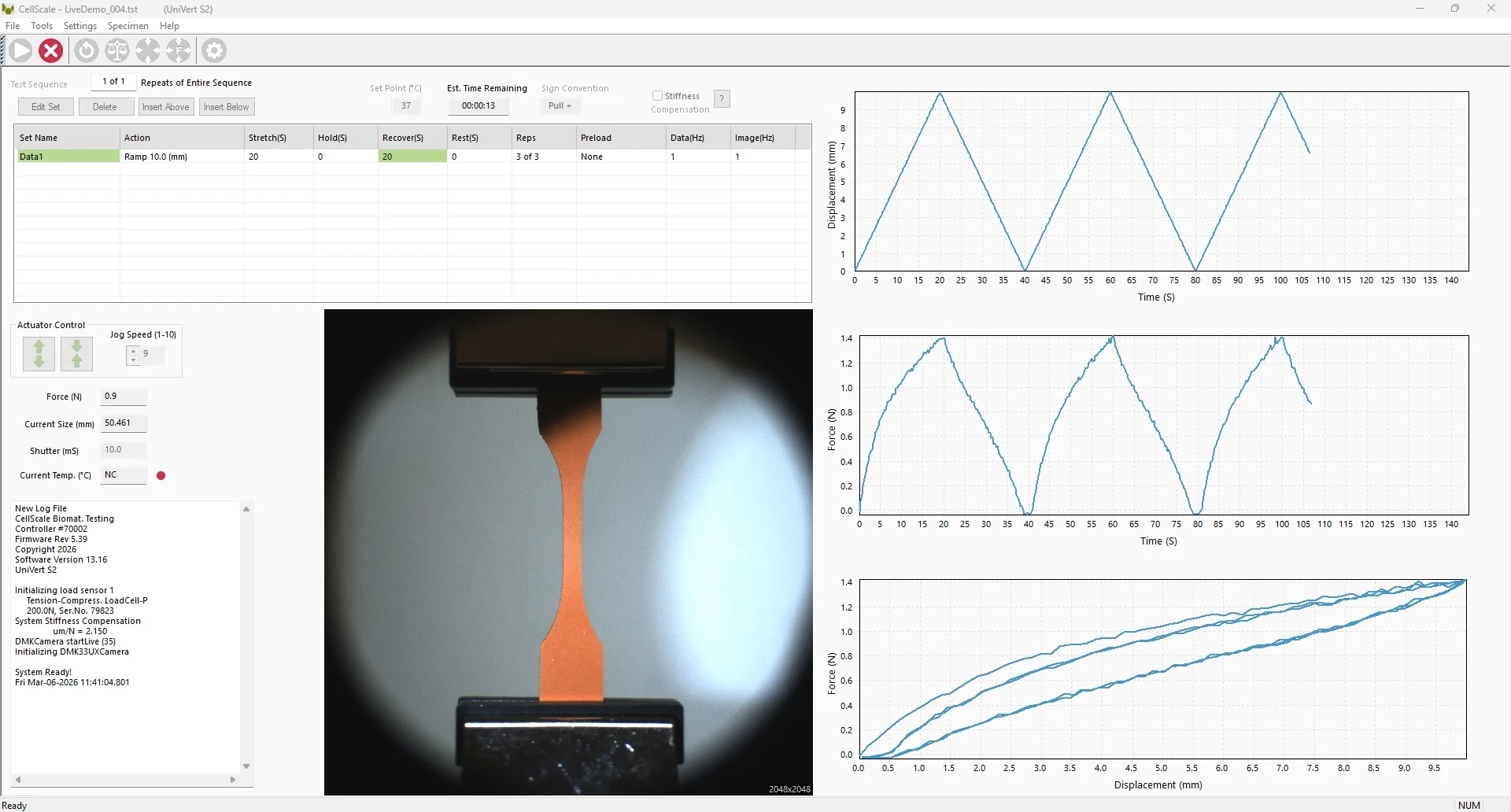
Viscoelastic testing characterizes how soft tissues, hydrogels, and biomaterials respond to time-dependent deformation, revealing important properties such as creep, stress relaxation, and recovery behaviour. As a result, viscoelastic testing is a core method in time dependent mechanical testing of biological and soft engineered materials.

What Viscoelastic Testing Measures
Viscoelastic testing provides critical insight into mechanical behaviour not captured by standard stiffness or strength measurements.
Because biological materials often exhibit both fluid-like and elastic responses, viscoelastic testing is essential for understanding mechanical function in physiologic and engineered environments.
What Viscoelastic Testing Quantifies
- Stress relaxation behaviour
- Creep testing response
- Time-dependent stiffness
- Recovery and residual strain
- Rate dependent deformation
- Nonlinear viscoelastic mechanics
- Effects of hydration, temperature, and composition
These responses reveal how materials dissipate energy, redistribute internal stresses, and deform under sustained loading. Together, these measurements form the basis of quantitative viscoelastic characterization for soft tissues and biomaterials.
Viscoelastic Testing in Biomaterials Research
Soft tissues and biomaterials frequently experience long duration or cyclic loading in vivo. Viscoelastic characterization helps researchers understand:
- Hydrogel viscoelasticity and crosslinking effects
Many hydrogels exhibit pronounced soft material viscoelasticity that governs cell mechanotransduction, force dissipation, and scaffold performance.
- Cartilage, disc and soft tissue mechanics
Tissues such as cartilage or nucleus pulposus display creep and relaxation behaviour central to their physiologic function.
- Engineered tissues and constructs
Characterizing viscoelastic maturation helps evaluate scaffold remodeling, ECM deposition, and construct functionality.
- Biomaterial design and failure prediction
Rate-dependent mechanics are essential when designing polymers, elastomers, or bioinks for load bearing applications.
- Mechanobiology studies
Cells sense time varying strain and stress, making viscoelastic testing important for understanding biological response.
Common Sample Types for Viscoelastic Testing
- Hydrogels and soft polymer networks
- Cell laden constructs
- Cartilage and osteochondral tissues
- Intervertebral disc components
- Engineered tissues undergoing remodeling
- Soft elastomers and advanced polymers
- Thin films and membranes
- Micro-scale tissues and aggregates (with micro-scale systems)
How a Viscoelastic Test Works
Viscoelastic testing uses controlled protocols that examine how a material responds over time. Common protocols include stress relaxation testing and creep testing, which isolate complementary aspects of time-dependent mechanical behaviour.
Stress Relaxation Testing
A constant deformation is applied and the decay in force is measured over time. This reveals how internal stresses dissipate in soft materials.
Creep Testing
A constant force is applied and the resulting increase in deformation is recorded. Useful for characterizing long term load bearing performance.
Rate Dependent Testing
Applying deformation at different speeds uncovers how materials stiffen or soften with strain rate.
Cyclic Viscoelastic Testing
Repeated loading assesses hysteresis, energy dissipation and fatigue like behaviour.
Hydrated and Temperature Controlled Viscoelasticity
CellScale chambers support physiologic temperature and hydration to maintain time dependent mechanics representative of biological conditions.
Recommended CellScale Instruments for Viscoelastic Testing
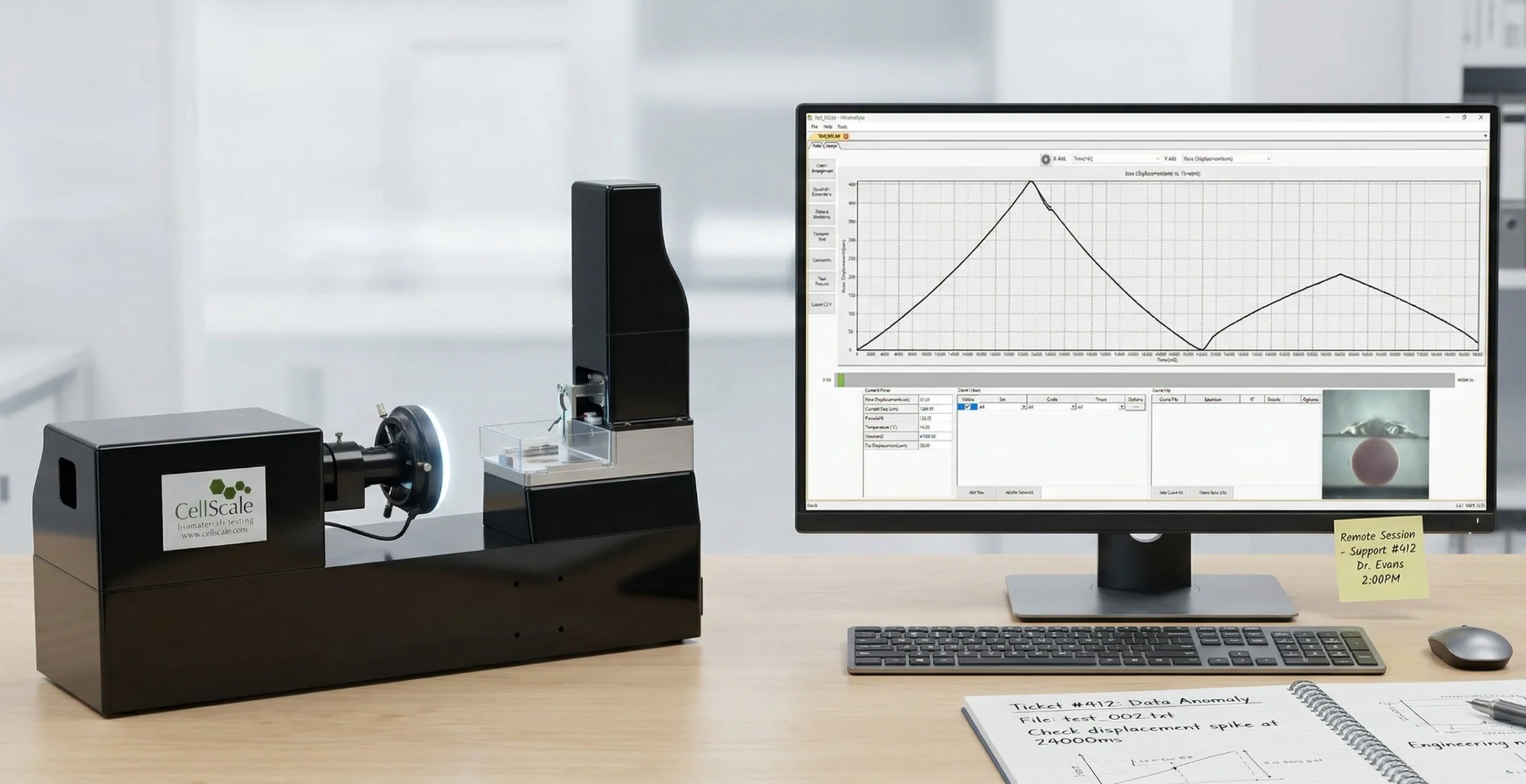
Many CellScale systems support viscoelastic testing through precise force and displacement control for creep, stress relaxation, and time-dependent mechanical analysis.
UniVert
BioTester
MicroTester
Relevant Research Applications
Viscoelastic and time-dependent mechanical testing supports:
Publications Using Viscoelastic Testing
Related Testing Methods
Viscoelastic testing connects multiple time-based mechanical methods.
Ready to Perform Viscoelastic Testing?
CellScale instruments provide precise control for viscoelastic characterization of soft materials, tissues, and micro-scale constructs.