This page lists biomaterials research publications that reference CellScale mechanical testing systems. These biomechanics publications can be explored by instrument, testing method, year, country, or application area.
CellScale’s Peer-Reviewed Publications Library
Filter and browse the peer-reviewed publications referencing CellScale mechanical testing systems below.
CellScale Instruments Used in Peer-Reviewed Publications
All biomaterials research publications included in this library report experimental data generated using CellScale mechanical testing systems. By identifying the instrument used in each study, these mechanical testing publications allow researchers to compare testing capabilities, experimental configurations, and measurement approaches across different research laboratories.
Logos shown above represent institutions which published peer-reviewed research using CellScale instruments.
Logos are the property of their respective institutions.
Research Areas Represented in Biomaterials Research Publications
The biomaterials research publications in this library are grouped by research area based on the primary focus of each study.
Mechanobiology Publications
Mechanobiology publications in this library reference mechanical testing in studies involving cellular mechanics, mechanotransduction, and mechanically regulated biological processes.
Tissue Mechanics Publications
Tissue mechanics publications in this library reference mechanical testing of native or engineered tissues under defined loading and environmental conditions.
Biomaterials & Advanced Materials Publications
Biomaterials and advanced materials publications in this library reference mechanical testing of polymers, hydrogels, membranes, and engineered material systems.
Reported Mechanical Testing Methods
The biomaterials research publications in the CellScale library span a range of experimental approaches used to quantify mechanical behaviour in soft tissues and engineered materials. While testing protocols vary by application, several mechanical testing methods appear consistently across these mechanical testing publications.
Tensile testing is widely reported in biomaterials research publications to measure stiffness, strength, and failure behaviour in soft tissues, fibrous scaffolds, and polymeric materials.
Compression testing is commonly used in tissue mechanics publications to evaluate load-bearing behaviour in hydrated biomaterials, biological tissues, and engineered constructs.
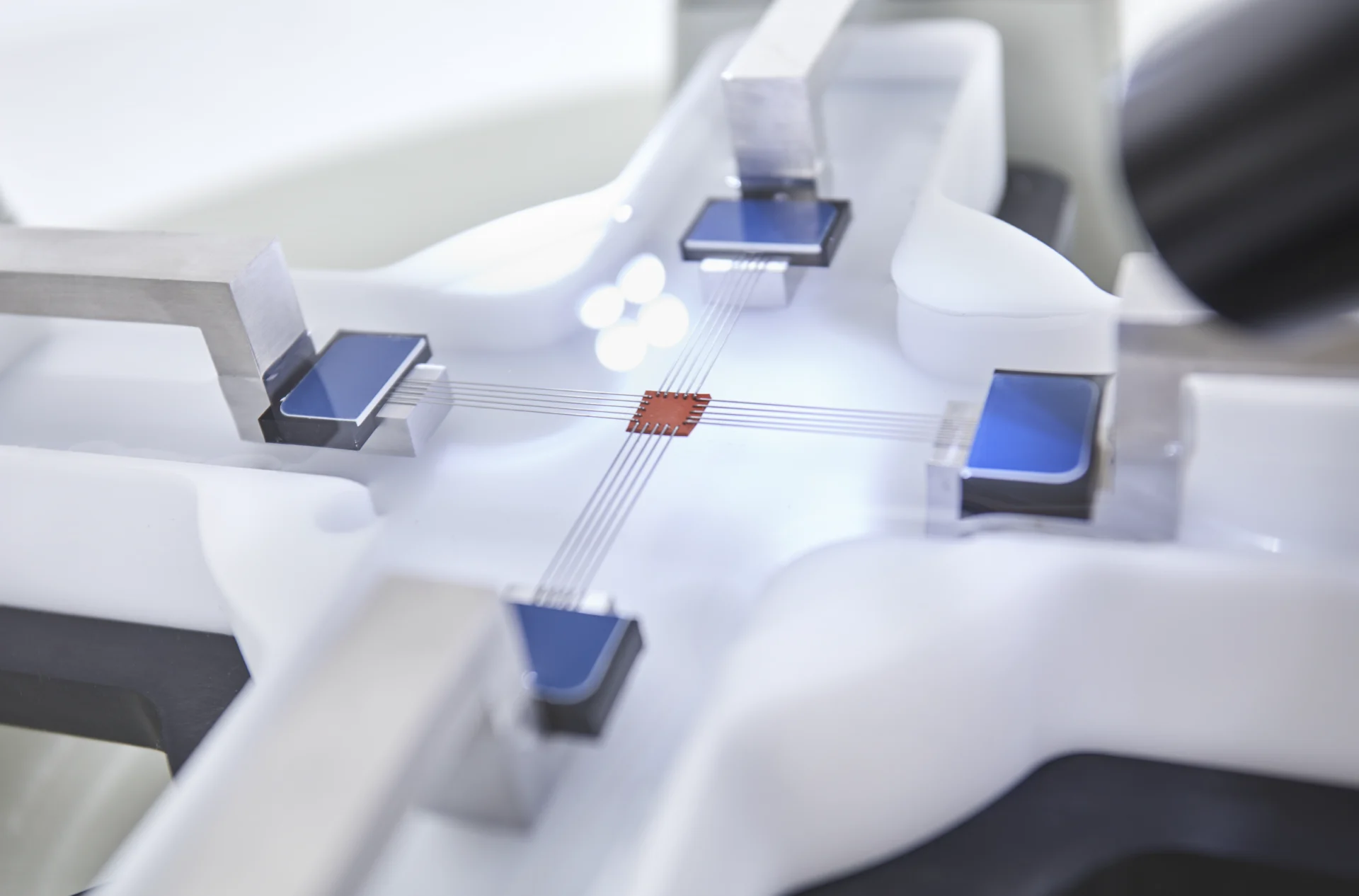
Biaxial testing features prominently in tissue mechanics publications where direction-dependent mechanical properties are critical, particularly for planar tissues and membranes.
Micro-mechanical testing enables precise characterization of small or delicate specimens and is frequently reported in mechanical testing publications involving thin films, micro-scale samples, or soft materials.
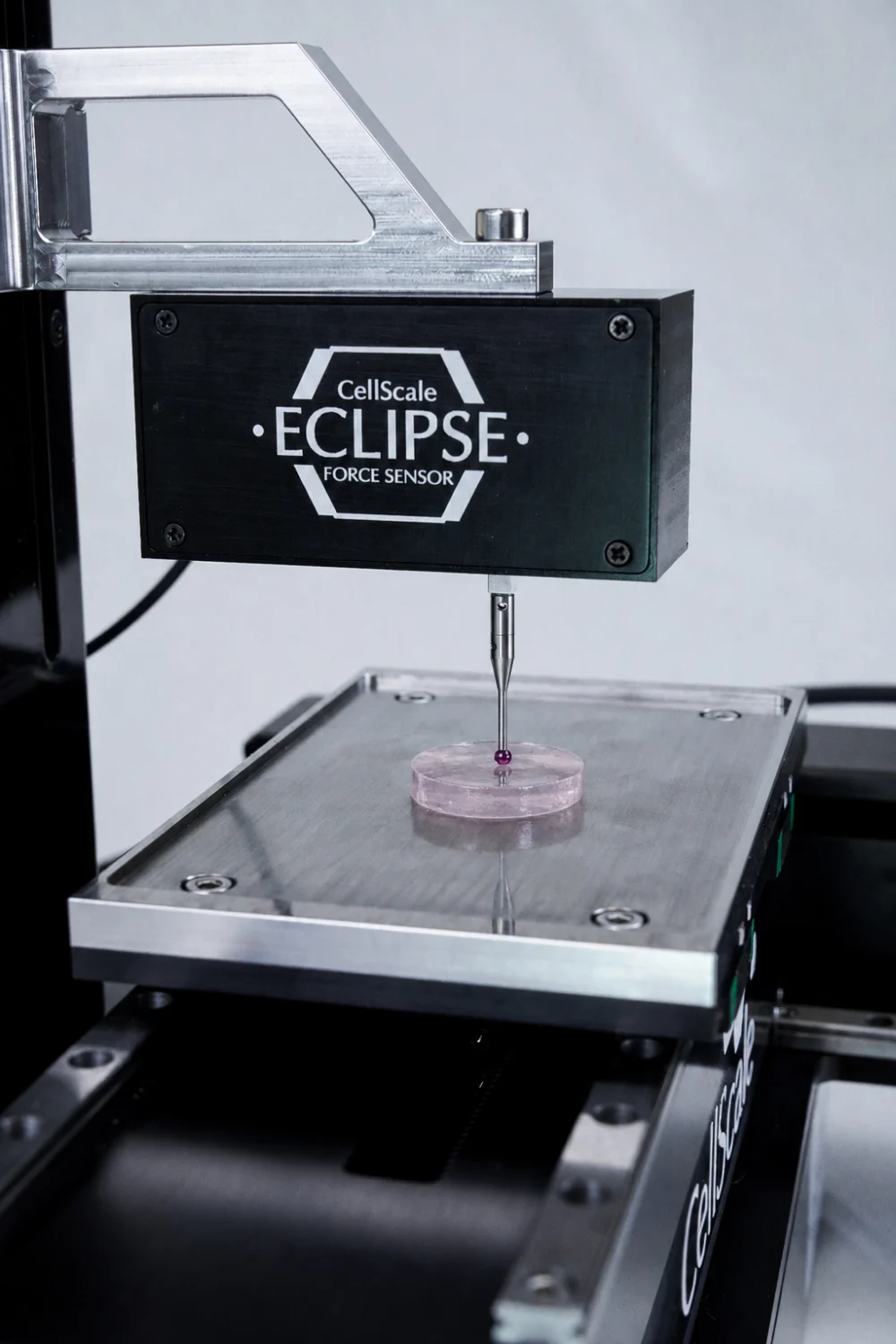
Ultra low force testing appears in mechanobiology publications where subtle mechanical responses must be resolved without damaging compliant biological materials.
Viscoelastic and time-dependent testing, including creep and stress relaxation, is commonly reported in both mechanobiology publications and materials mechanics publications focused on hydrated or polymer-based systems.
Global Scope of Biomaterials Research Publications
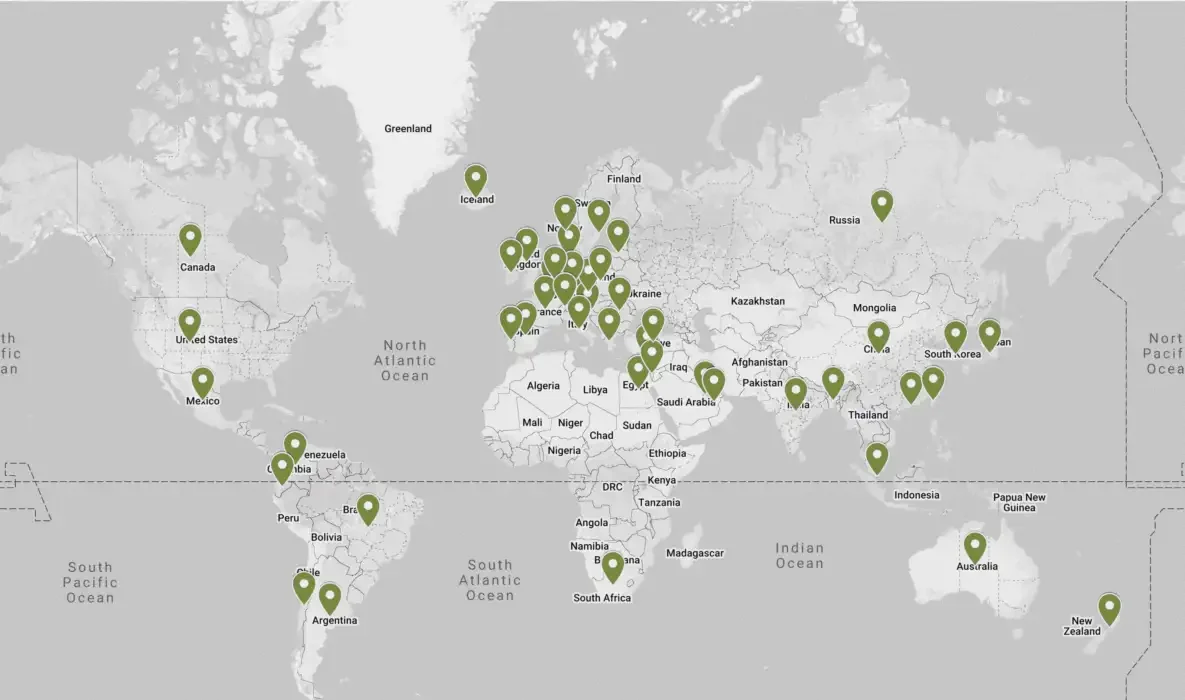
The biomaterials research publications listed on this page originate from research groups across multiple regions and institutions. These mechanical testing publications, mechanobiology publications, and tissue mechanics publications appear in a range of peer-reviewed journals.
Journal logos shown represent publications in which CellScale instruments were used.
Logos are the property of their respective publishers.
Related Methods and Research Applications
Many of the biomaterials research publications listed on this page are closely tied to specific testing methods and research applications. Exploring related mechanical testing methods and application areas can help answer scientific questions for your biomaterials and tissue mechanics research.