

Wearable Bioelectronics
and Flexible Device Mechanical Testing

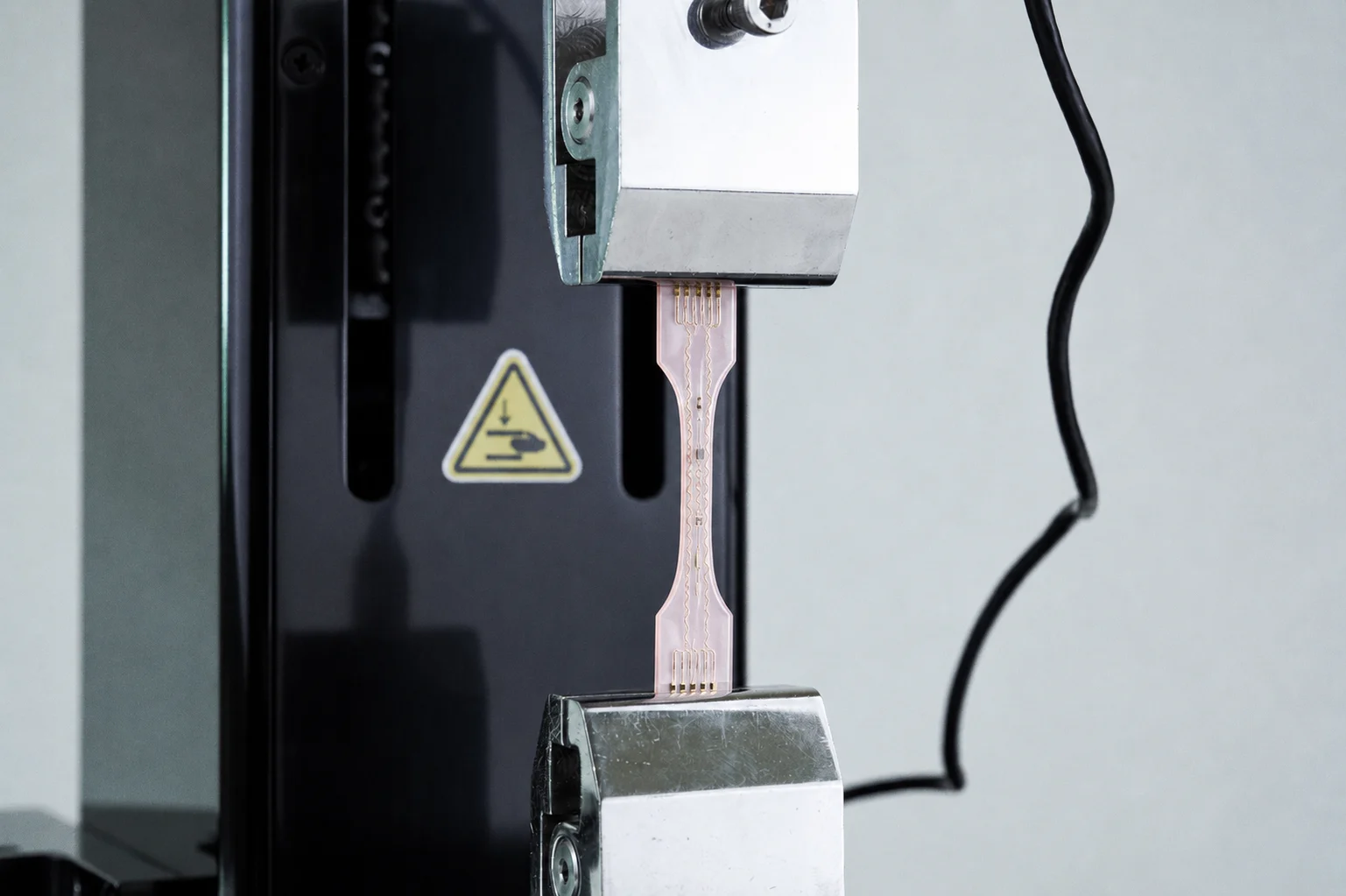
Overview of Wearable Bioelectronic Material Mechanics
Wearable and biointegrated devices rely on materials that conform to skin or soft tissue while maintaining electrical and mechanical performance.
- Systems include:
Their mechanical behaviour influences comfort and conformability, signal stability during movement, mechanical loading on skin and underlying tissues, long term durability and device safety, and interface adhesion and resistance to delamination. Mechanical testing ensures these materials remain stable under bending, stretching, twisting, and repetitive deformation.

Importance of Mechanics in Wearable Bioelectronics Research
Wearable bioelectronics mechanical testing enables researchers to:
- Measure tensile modulus and extensibility of stretchable conductors
- Quantify bending stiffness for flexible sensors or thin film electronics
- Analyze shear and peel behaviour for skin adhesive interfaces
- Assess fatigue life during cyclic deformation
- Evaluate fracture behaviour in conductive traces
- Characterize mechanical coupling between device and skin mimetic materials
- Compare formulations for conductive elastomers or hybrid materials
Testing provides critical data for designing devices that remain functional during real world use.
Recommended CellScale Instruments for Research in Stretchable Electronics Mechanics
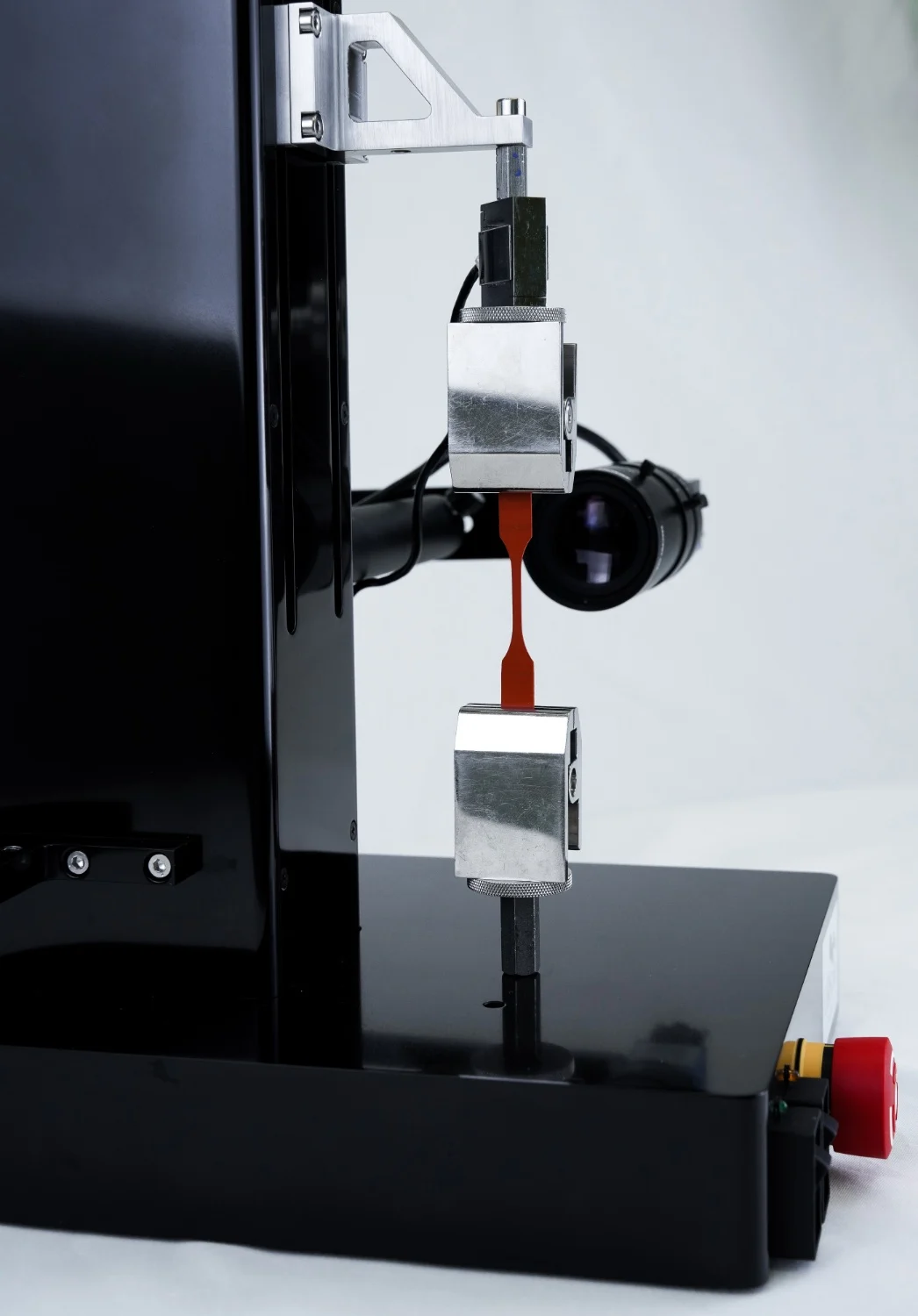
UniVert
Used for tensile, compression, shear, and peel testing of flexible electronics, adhesive electronics, and stretchable conductors.
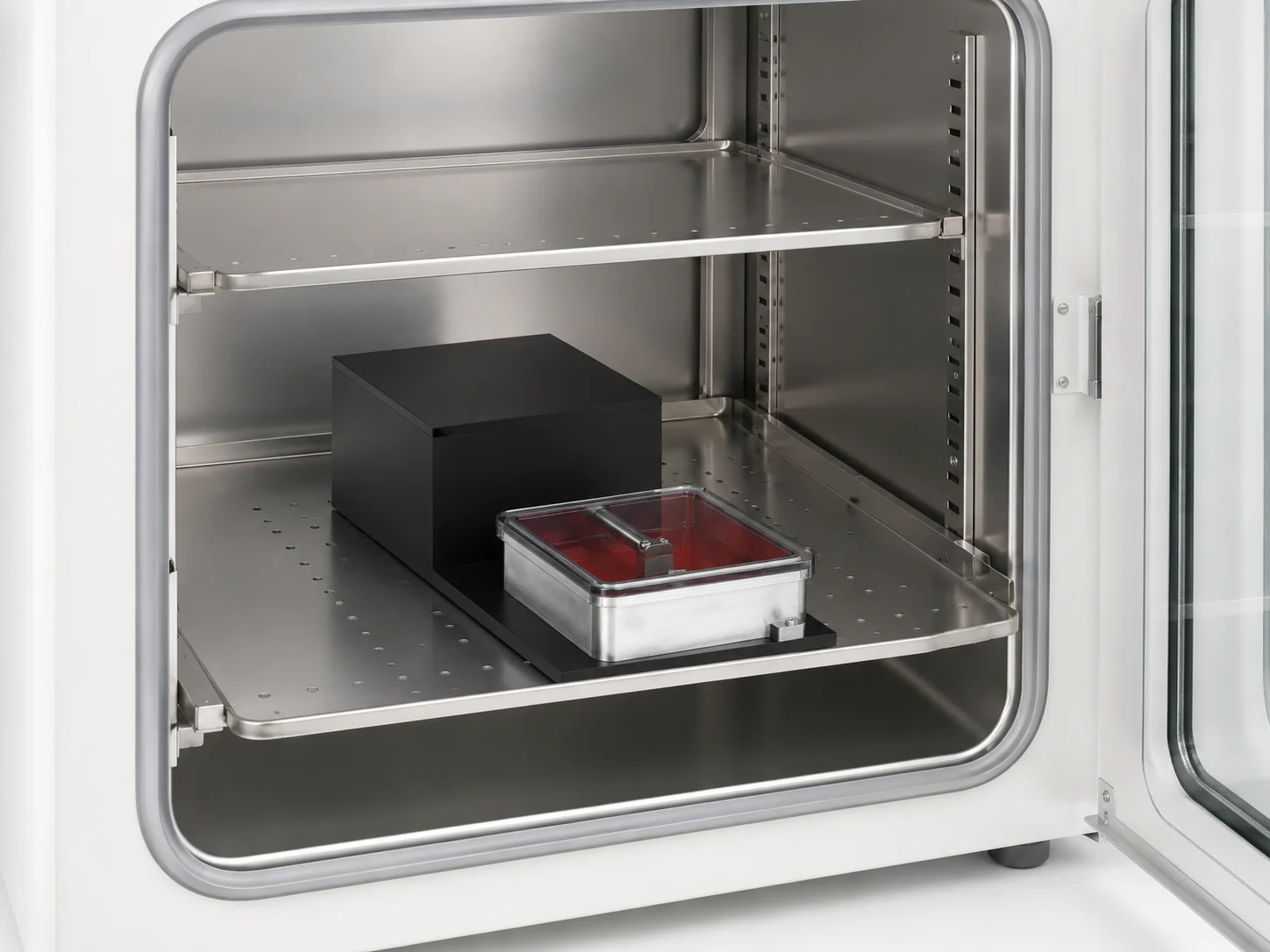
MechanoCulture T6
Applies cyclic strain in culture to evaluate durability, fatigue resistance, and signal stability during repetitive wear conditions.
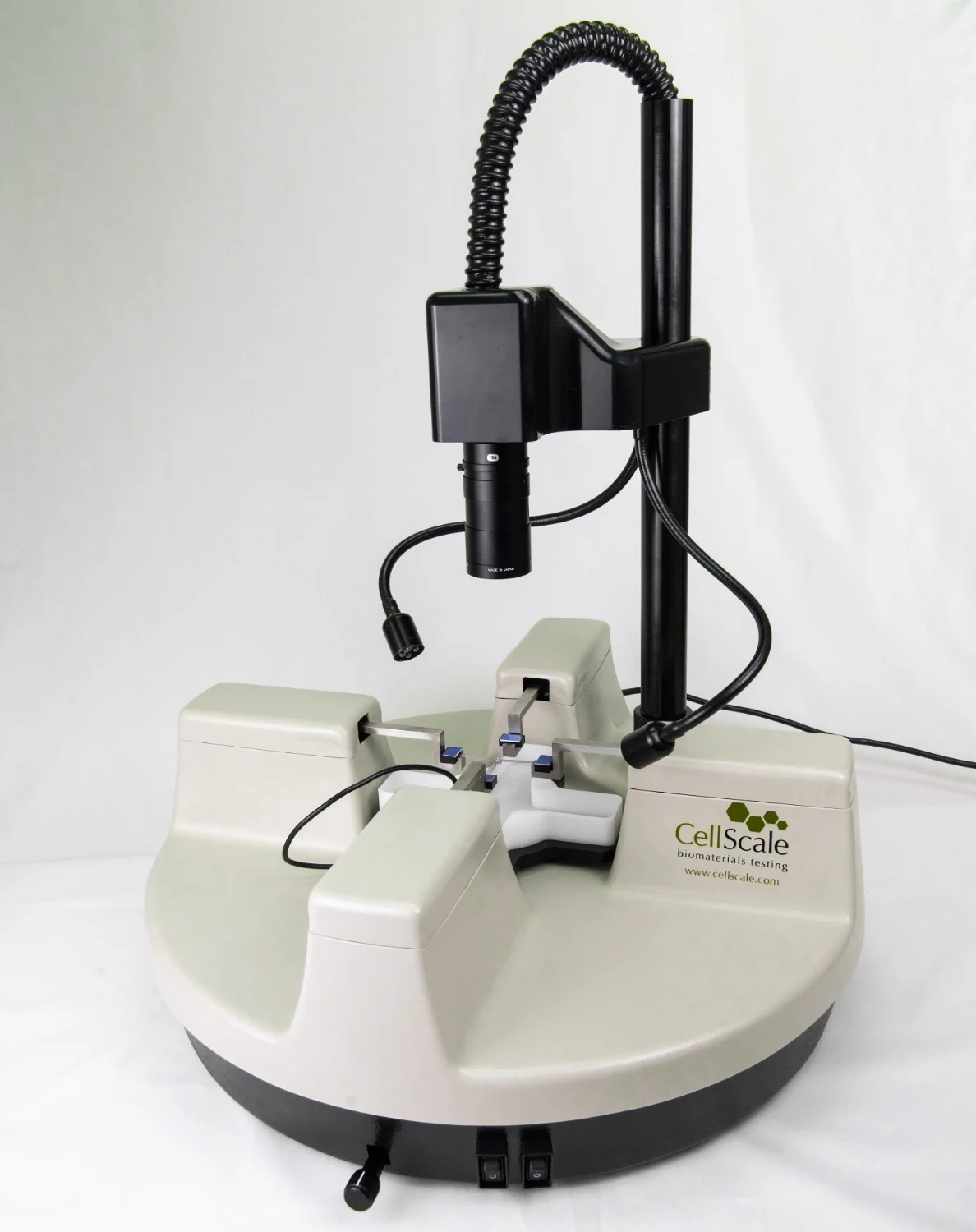
BioTester
Provides biaxial testing for thin wearable membranes or electronic films that experience planar strain during use.
Testing Methods Relevant to Wearable Bioelectronics Applications
Tensile Testing
Evaluates extensibility, modulus and failure strain
Flexural & Bending Testing
Quantifies flexibility and resistance to cracking
Shear Testing
Measures interface performance for skin adhesives
Biaxial Testing
Analyzes planar deformation in flexible membranes
Compression Testing
Assesses stability of soft electrodes and interface layers
Representative Sample Types
Soft electronic materials
- Stretchable conductive polymers
- Thin film metallic conductors embedded in elastomers
- Micropatterned conductive traces
Wearable devices and components
- Flexible pressure sensors
- Stretchable strain sensors
- Biointegrated temperature or hydration sensors
- Skin adhesive electrode patches
Interface and support materials
- Hydrogel electrodes
- Silicone adhesives
- Soft elastomer substrates
- Composite wearable membranes
Relevant Peer-Reviewed Publications in Wearable Bioelectronics Mechanical Testing

Advance Your Wearable Bioelectronics Research
CellScale instruments provide precise mechanical testing for stretchable electronics mechanics, flexible sensor materials, wearable electronics, and biointegrated device materials. Contact our team to identify the best testing configuration for your application.