About CellScale Biomaterials Testing

peer-reviewed publications
1200 +
countries
5 +
top research institutes
100 +
years supporting biomaterials testing
+

Our Impact & Global Presence

CellScale’s mechanical testing systems and bioreactors have dozens of applications, including cardiac and cancer mechanobiology, soft robotics, hydrogel characterization, microtissue and spheroid mechanics, and many others. Our Waterloo, Ontario, Canada-based team works directly with research groups across six continents, and CellScale systems have been cited in more than 1,300 peer-reviewed publications going back to 2008. This level of global research presence reflects the quality of our products and the practical role they play in day-to-day experimental work.

Our testing equipment is distributed internationally through qualified regional partners in Europe, China, Korea, India, and Japan. Contact us if you’re interested in the CellScale distributor in your area.


Waterloo, ON headquarters
Global distributor network into Europe and Asia
Active customers and research partners across 6 continents

The CellScale Story

2005-2010

The Beginning

CellScale Biomaterials Testing was founded in 2005 with a simple goal: to bring a custom mechanical testing system developed at the University of Waterloo into the broader research community. Our first project was a biaxial system created to study the relationship between glaucoma and scleral stiffness.

This work required new mounting methods for tough, rubbery material and the development of digital image correlation tools to measure strain across the sample surface. These early innovations eventually led to the production of the BioTester, which is now a core biomechanical testing system in laboratories worldwide.

2010-2020

New Projects

Our second major project involved a micro-scale uniaxial system designed to study the forces involved in axolotl tissue remodeling. This required the creation of cantilever-based microwire force sensors and a precise micro-actuation platform. The techniques developed in this work laid the foundation for the MicroSquisher, which was redesigned to become the MicroTester (a unique and powerful micro-scale mechanical tester).

Our work continued with adaptation of the BioTester to fit more universal biological applications. That model became the UStretch, which is now the UniVert (the most versatile low-force mechanical tester in the market).

2020-Present Day

Growth Through Collaboration

Over the years, working with dozens of research labs around the world, our catalogue has grown to include MechanoCulture mechanical stimulation bioreactors for tissue and cell culture studies, alongside our uniaxial, biaxial, and micro-scale mechanical testing systems.

Custom Solutions: We have also produced custom research instruments for specific needs. We’ve helped solve experimental constraints, sample limitations, and measurement gaps that required new approaches. Much of our development work begins with these practical challenges and evolves through ongoing collaboration as research questions change. See some case studies here.

Advancing Biomaterials Testing Through Purpose-Built Research Instruments

Helping researchers measure the mechanical behaviour of soft materials, tissues, and engineered constructs.

Precision

Because soft materials require accurate and stable load control

Collaboration

We work directly with research teams for new capabilities

Responsiveness

Fast, personal support for teams with time-sensitive projects

Upcoming Events & Conferences

You’re likely to find us at tissue engineering, biomechanics, and biomaterials conferences in US, Canada, and Europe. We often bring systems for live demonstrations and spend time talking with researchers about their own testing setups and challenges.

The CellScale Team

CellScale instruments are designed and supported by a team of engineers and technical staff. Many of us work directly with researchers during system selection and early use, answering questions and helping sort out experimental details as they come up. Most support happens one-on-one and continues as research needs change.

The CellScale team in front of an exotic car
Members of the CellScale team in Waterloo
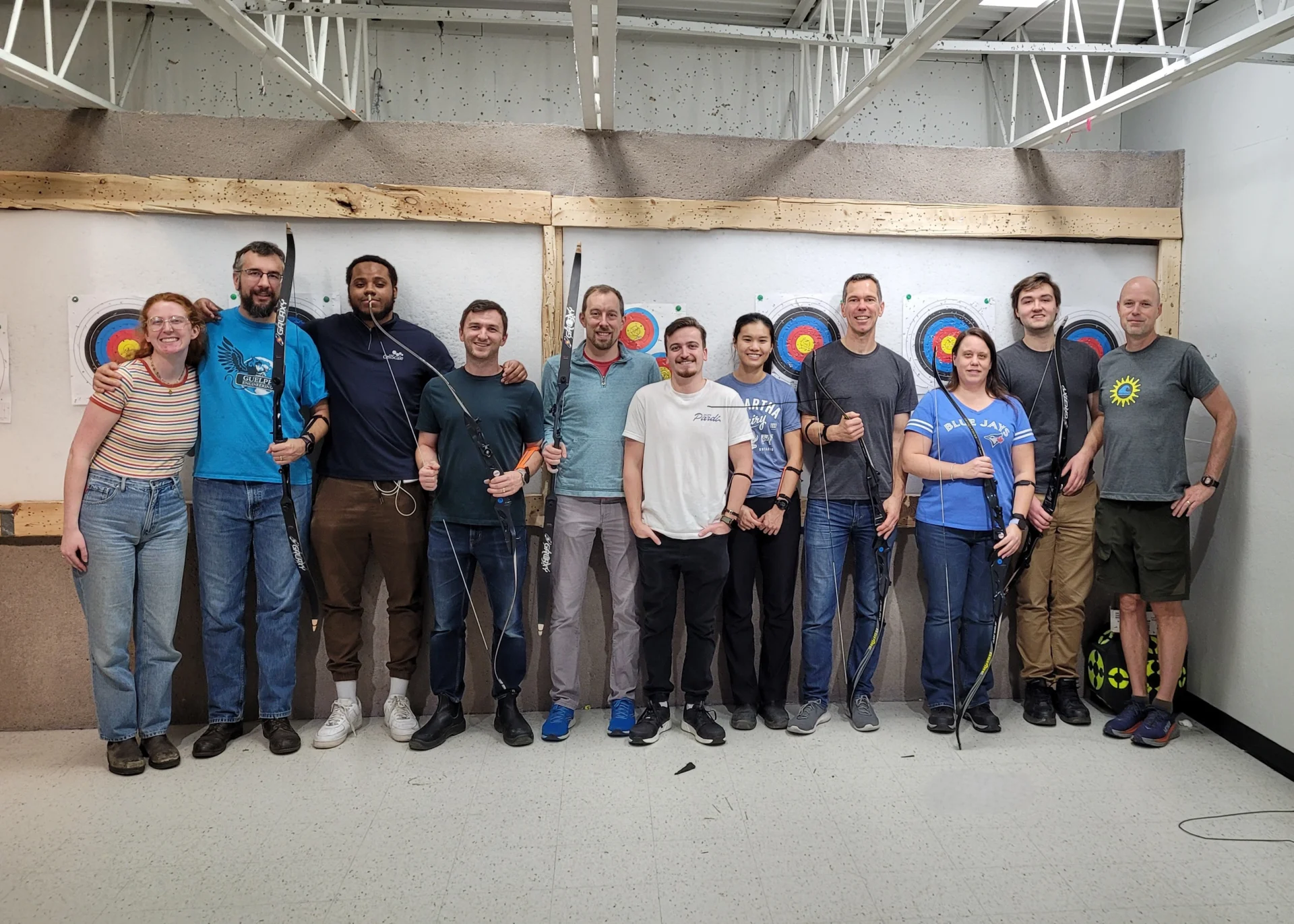
CellScale team photo at archery
CellScale team playing hockey

Institutions, Partners and Collaboration

We work with university labs, research hospitals, and independent research groups using CellScale systems in active studies. We offer lifetime technical support with our bioreactors and mechanical testing systems. Collaborations often involve feedback on system performance, testing protocols, or accessory design, and in some cases lead to custom hardware built for a specific application.

Canada

United States

Asia

Europe

Logos above represent institutions which published research using CellScale instruments. Logos are the property of their respective institutions.

Contact Our Team

Questions about sample types, testing methods, or system configuration usually come up early when planning a project. These are typically discussed with a member of the CellScale team before any equipment is selected.

Contact Sales

Product of Interest: